 1 / 8
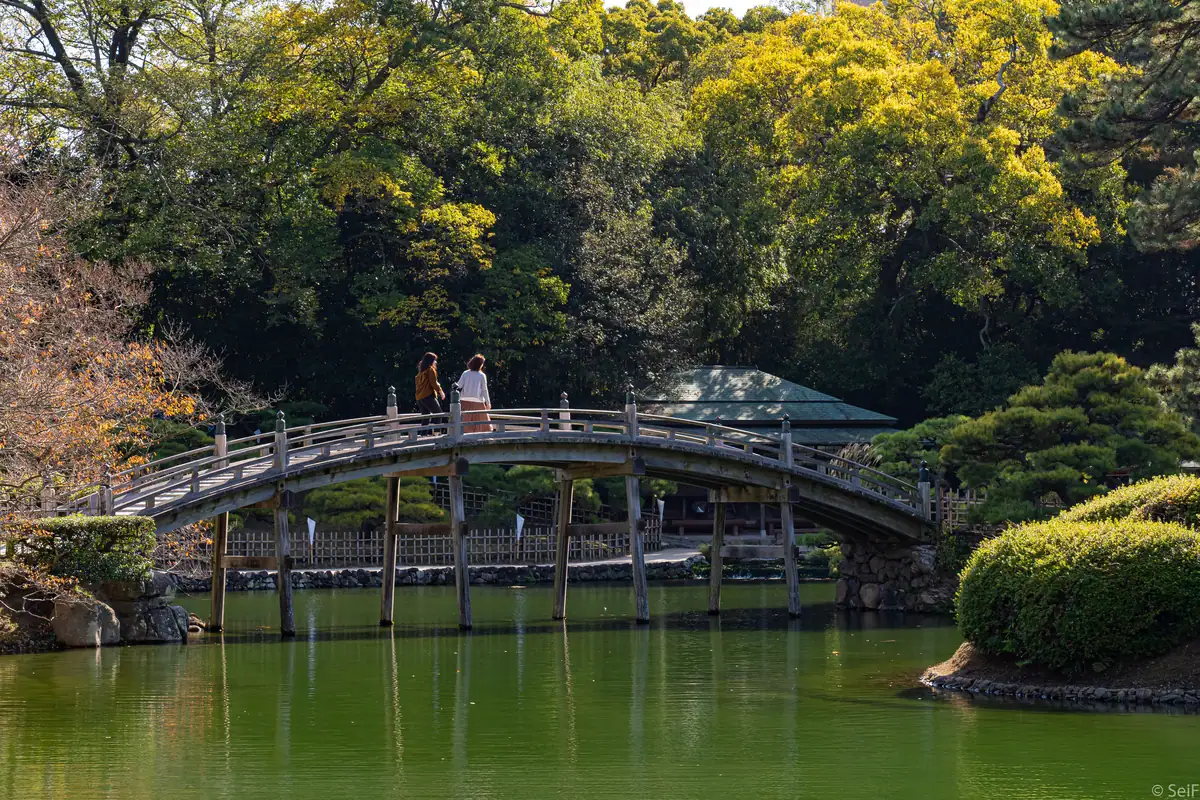
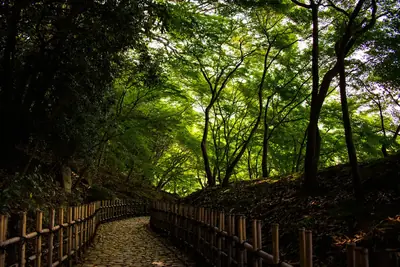
Ritsurin GardenPhoto: Sei F / CC BY-SA 2.0
Tap a photo to see it large. 8 photographs, every one credited.
Checked against official sources · updated · Takumi Yamada
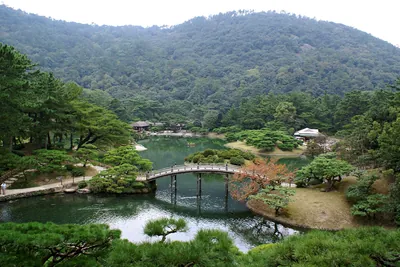
Seventy-five hectares, six ponds, thirteen landscaped hills and Mount Shiun standing behind it as borrowed scenery. It is larger than Kenroku-en, took more than a century to finish (completed 1745), and gets a fraction of the visitors. Walk the south circuit.
- Our number 1 for Takamatsu, out of ten. It is the first thing we would spend the hours on.
- On a 4–6h ashore call our verdict is "Both circuits" — ninety minutes does it justice, and leaves time for udon and the castle.
- It is not only a photo stop: borrowed scenery, 1,400 hand-pruned pines, and a grievance about rankings.
- Sunrise to sunset (seasonal) — opens as early as 5:30 in summer.
- 3 hr door to door needs a 5-hour call: a 2–3 hour stop cannot hold it. Pick something closer instead.
Why Ritsurin Garden is famous
Borrowed scenery, 1,400 hand-pruned pines, and a grievance about rankings
Begun by the local lords in the early 1600s and worked on for over a century, Ritsurin is six ponds and thirteen landscaped hills with Mt. Shiun borrowed as the backdrop. Its pines are pruned by hand year-round. Japan's own guidebooks routinely rank it above the official Three Great Gardens, and Michelin gives it three stars.
Ritsurin is seventy-five hectares, took over a century to build, borrows an entire mountain as its backdrop, and is not on the official list of Japan’s Three Great Gardens. Kagawa has never quite got over this, and the practical result is that you can walk it in peace.
Seventy-five hectares, six ponds and thirteen landscaped hills, begun by a local lord in the early 1600s and worked on for over a century by successive Matsudaira daimyo. Mount Shiun stands directly behind it and is treated as part of the composition — borrowed scenery, on a scale few gardens attempt.
It is bigger than Kenroku-en and Koraku-en, is often argued to be the finest garden in Japan, and is not one of the official Three Great Gardens — a slight the prefecture has never fully forgiven. The practical consequence for you is that it is far less crowded.
On the slope below Mount Shiun
Eleven generations continue the garden
Six ponds, thirteen hills, 75 hectares
Now a Special Place of Scenic Beauty
Walk the south circuit and stop at Kikugetsu-tei for matcha. Almost nobody sits down, and that is the point of it.
Things worth knowing
- Walk the south circuit if you only do one. It holds the classic pine-and-bridge views.
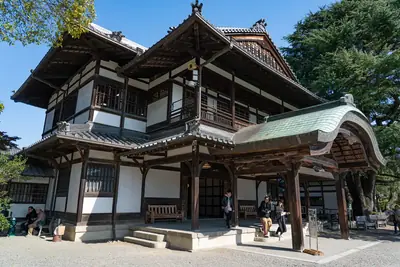
- The Kikugetsu-tei teahouse serves matcha and a seasonal sweet overlooking the pond for ¥800 (9:00–16:30). Take it.
- It opens very early in summer — before 6am — and an empty Ritsurin at dawn is a different garden.
- Around 1,400 pines are hand-pruned. Look for the gardeners on ladders; they work year round.
- Shakkei借景 — Borrowed scenery. Mount Shiun is part of the composition.
- Kaiyu-shiki回遊式 — A strolling garden, composed to change as you move.
Ritsurin Garden and your ship
Both pins on one map, so the distance is a fact rather than a feeling.
Where the 3 hr goes
Counted from the moment you step off the gangway, about 30 minutes after the ship arrives. The hour before all-aboard is not in this bar; it is already set aside.
30 minutes each way is the measured figure for train ~30 min, not the optimistic one. If your ship is late, cut the 2 hr in the middle. Never cut the hour at the end.
Questions people send us
Is Ritsurin Garden better than Kenroku-en?
It is considerably larger — about seventy-five hectares against Kenroku-en’s eleven — took over a century to complete, and uses Mount Shiun behind it as borrowed scenery. It is not counted among Japan’s official Three Great Gardens, which is a long-standing local grievance and the reason it is far quieter than the three that are.
How long do you need at Ritsurin Garden?
Sixty minutes for the south circuit, which holds the classic views, and ninety to do both circuits properly. Add twenty-five to thirty minutes each way from the cruise berth by Kotoden train and on foot, which still makes it workable on a three-hour stop ashore.
Routes that already include it
Each one is a finished day timed from the official timetables, with this stop in it. Read the route rather than assembling it yourself.
What to put beside it
Each of these still lands you back aboard with the hour to spare.