
 1 / 7
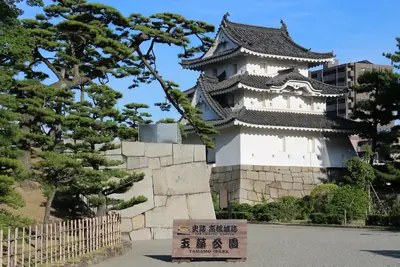
Takamatsu CastlePhoto: Saigen Jiro / CC0
Tap a photo to see it large. 7 photographs, every one credited.
Checked against official sources · updated · Takumi Yamada
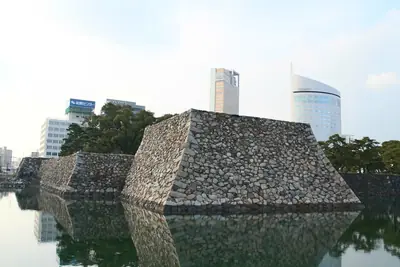
One of only three Japanese castles moated with seawater, taken directly from the sea. The fish in it are sea bream, there is a feeding platform, and it is about ten minutes on foot from the gangway — one of the shortest walks to a real castle of any port on this site.
- Short enough to be certain of: 1 hr 15 min door to door, so even a tender day works.
- Reachable on foot from the berth, so no timetable can strand you.
- On a 4–6h ashore call our verdict is "Bookend" — the obvious first or last thing of any takamatsu day.
- West gate 6:00–17:30 (Oct), 6:30–17:00 (Nov) — from 5:30 apr–sep; closed dec 29–31.
- 1 hr 15 min door to door needs a 3.5-hour call: a 2–3 hour stop cannot hold it. Pick something closer instead.
Why Takamatsu Castle is famous
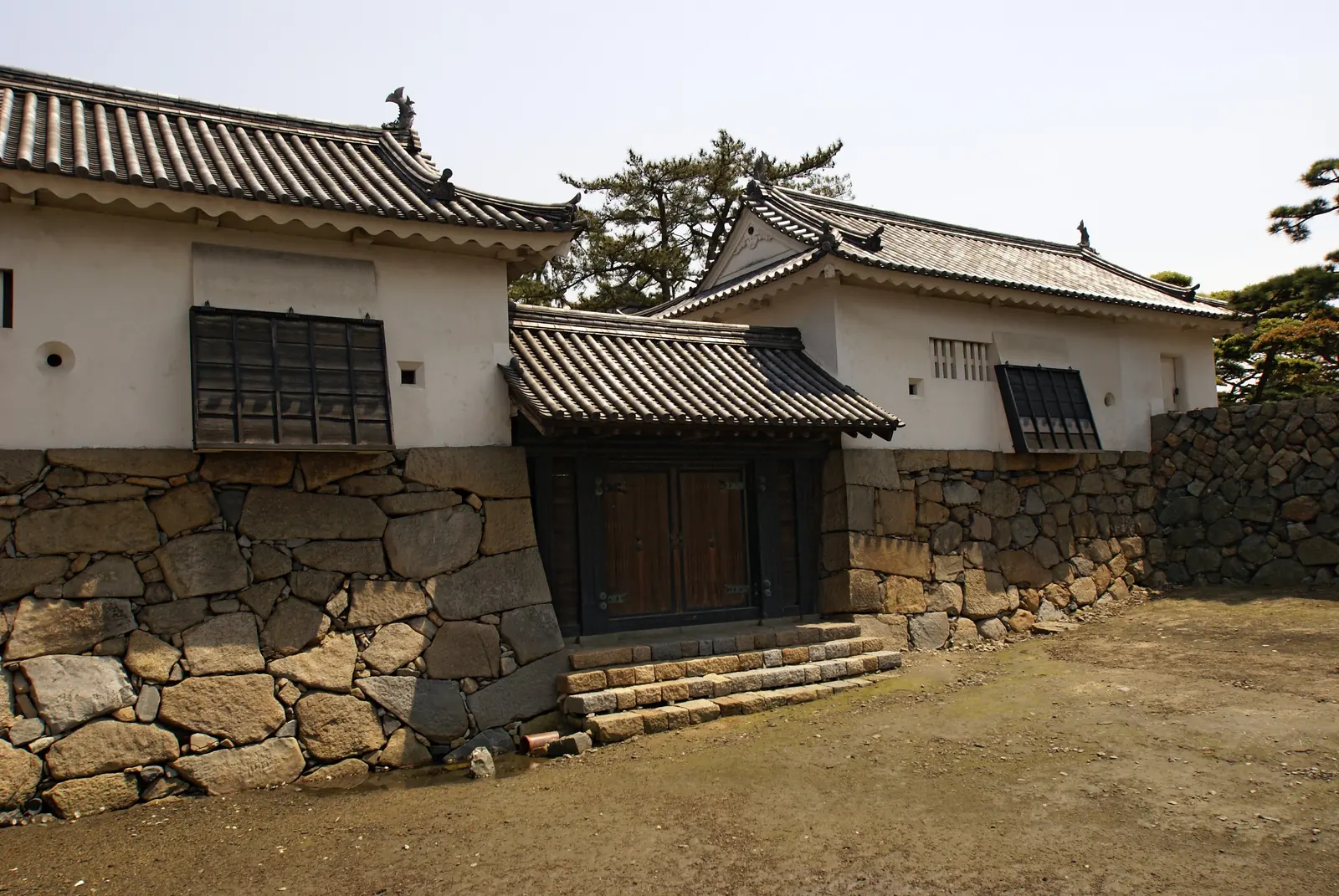
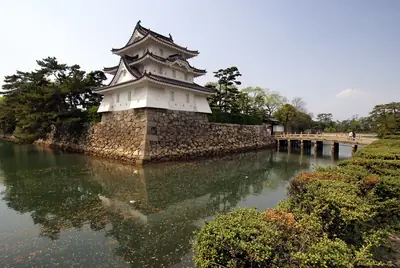
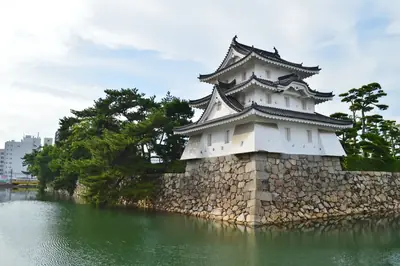
One of only three Japanese castles with seawater moats, built in 1590 so that ships could sail directly into it. The tide still moves in the moat and there are bream in it that you can feed. The keep is gone but the water gate and the 1670s tower survive.
Built in 1590 by Ikoma Chikamasa on the shoreline itself, and one of only three Japanese castles whose moats are filled directly from the sea. The fish swimming in them are sea bream, there is a feeding platform, and you can buy food for them.
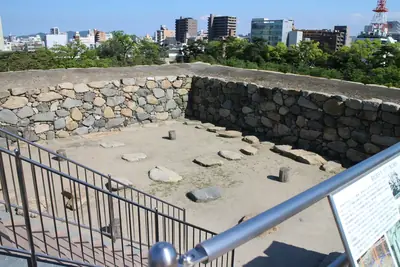
The keep is gone — dismantled in 1884 — but the Tsukimi Yagura turret, the water gate through which the lord boarded his boat, and the Hiunkaku villa of 1917 all survive. It is a small site and it is ten minutes from your ship.
Things worth knowing
- Feed the sea bream: the moat boat (about 30 min, boarding near the west gate) hands you food as you go.
- The water gate is the thing to see — the lord left for Edo by boat, straight from the castle.
- Hiunkaku, the 1917 villa, is a hire venue for tea ceremonies and events; see it from outside. The Tsukimi-yagura turret opens inside only on Sundays (9:00–12:00, 13:00–15:00).
- The west gate opens as early as 5:30 from April to September, which is useful on an early call.
Takamatsu Castle and your ship
Both pins on one map, so the distance is a fact rather than a feeling.
Where the 1 hr 15 min goes
Counted from the moment you step off the gangway, about 30 minutes after the ship arrives. The hour before all-aboard is not in this bar; it is already set aside.
10 minutes each way is the measured figure for 10 min walk, not the optimistic one. If your ship is late, cut the 55 min in the middle. Never cut the hour at the end.
Questions people send us
Is Takamatsu Castle worth visiting?
For a cruise passenger, yes — it is about ten minutes on foot from the cruise quay, costs ¥300, and takes under an hour. It is one of only three Japanese castles moated directly from the sea, the fish in the moat are sea bream, and the water gate through which the lord boarded his boat still stands.
Does Takamatsu Castle have a keep?
No — it was dismantled in 1884. What survives is the Tsukimi Yagura turret, the sea gate, the stone walls and the seawater moats, plus the Hiunkaku villa of 1917, a hire venue for tea ceremonies and events that you see from outside. The turret opens inside only on Sundays.
Routes that already include it
Each one is a finished day timed from the official timetables, with this stop in it. Read the route rather than assembling it yourself.
What to put beside it
Each of these still lands you back aboard with the hour to spare.
 2 hr 15 min for both
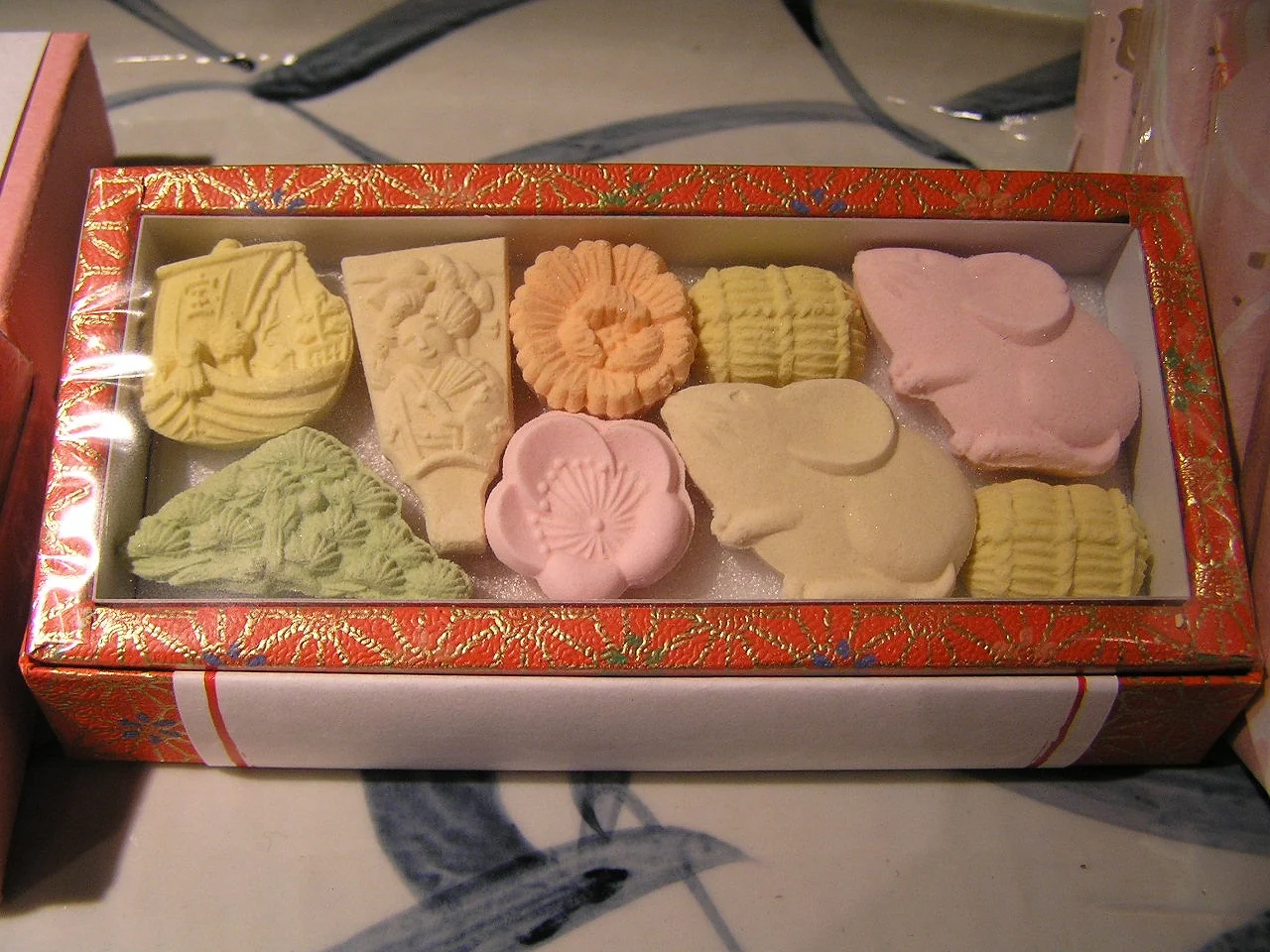
Wasanbon sugar
A fine-grained sugar made from local sugarcane by a hand-kneading process that takes days, pressed into small moulded sweets shaped as flowers and leaves.
See the detail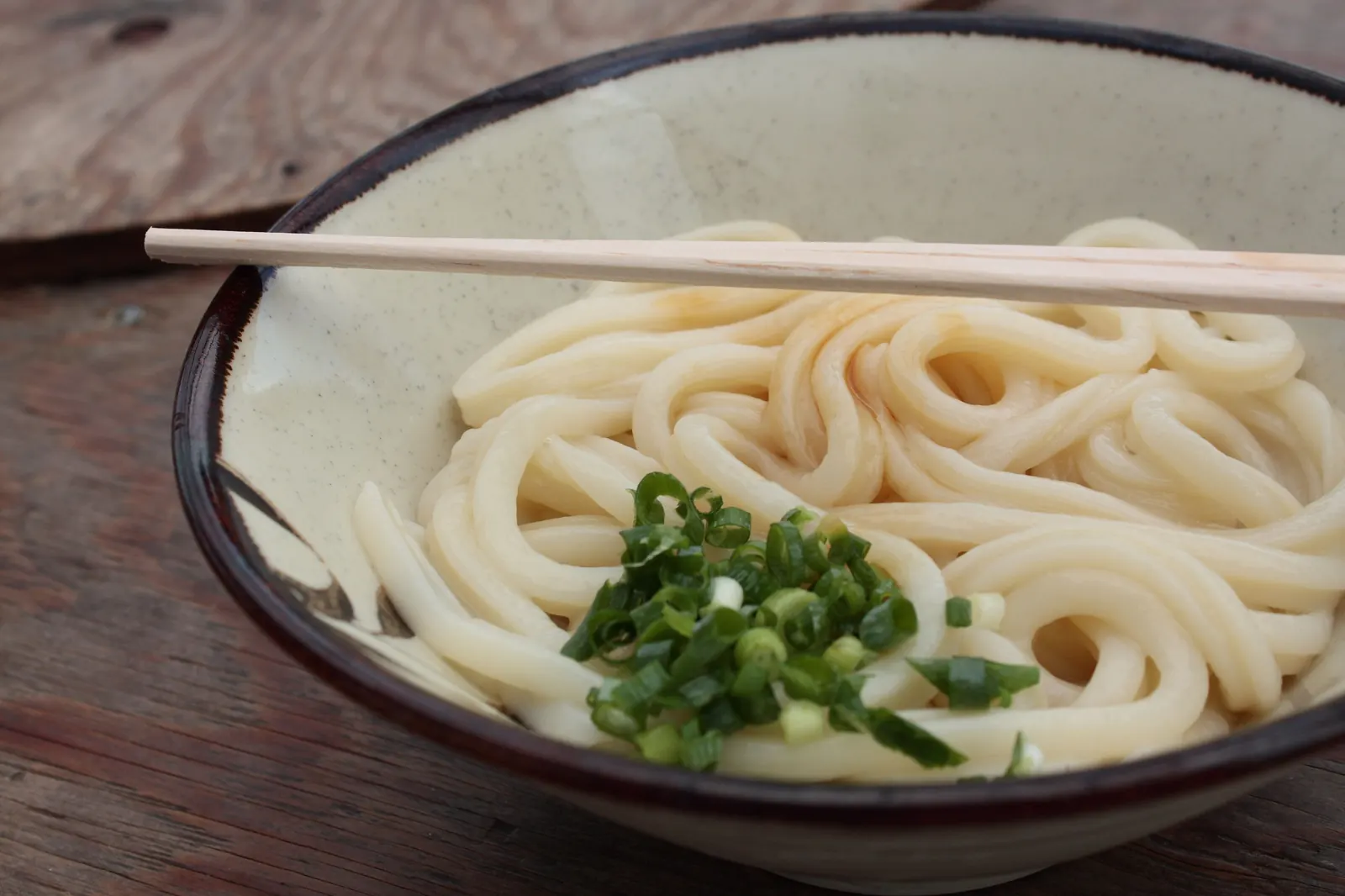 2 hr 45 min for both
Udon at a self-service mill
Kagawa eats more udon per head than anywhere in Japan.
See the detail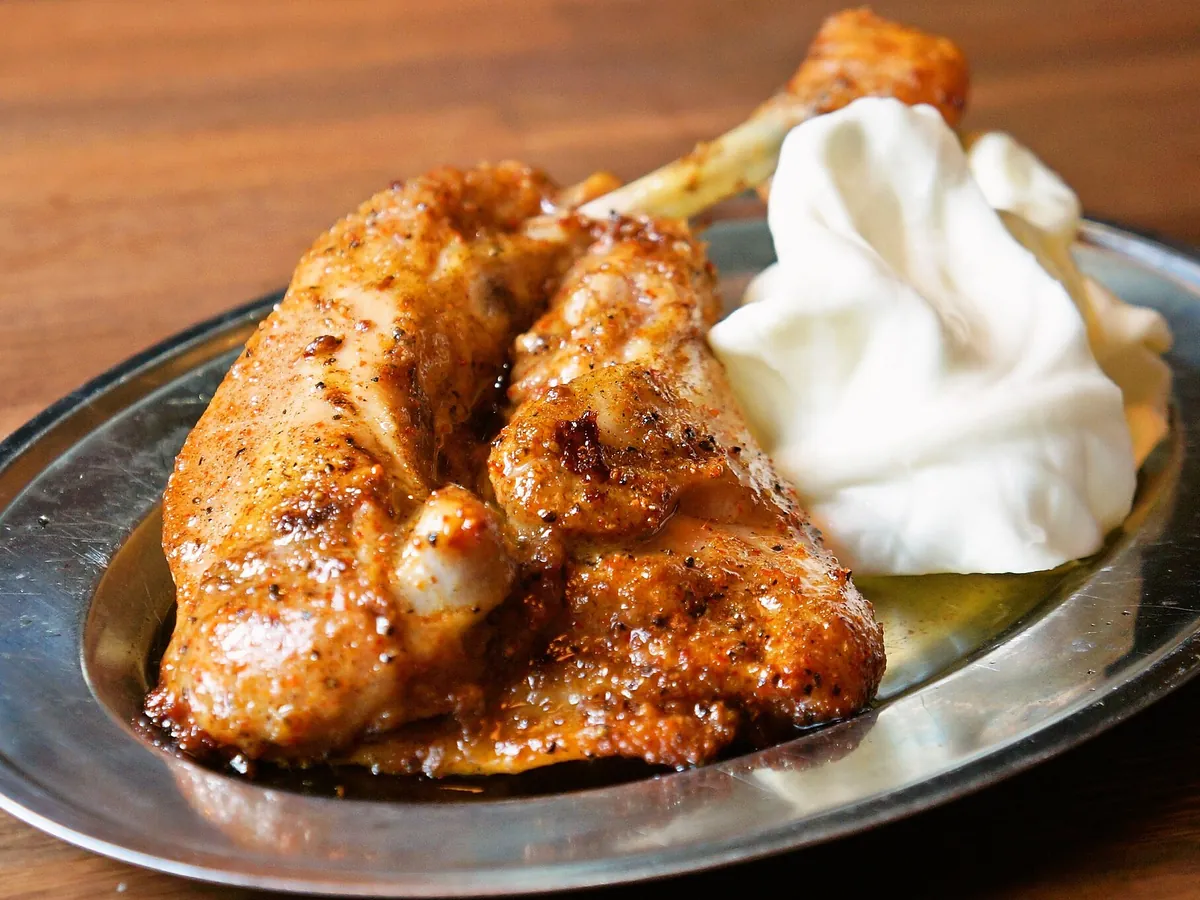 3 hr 15 min for both
Honetsuki-dori
A whole chicken leg roasted hard with garlic and black pepper, eaten with your hands and mopped with cabbage.
See the detail