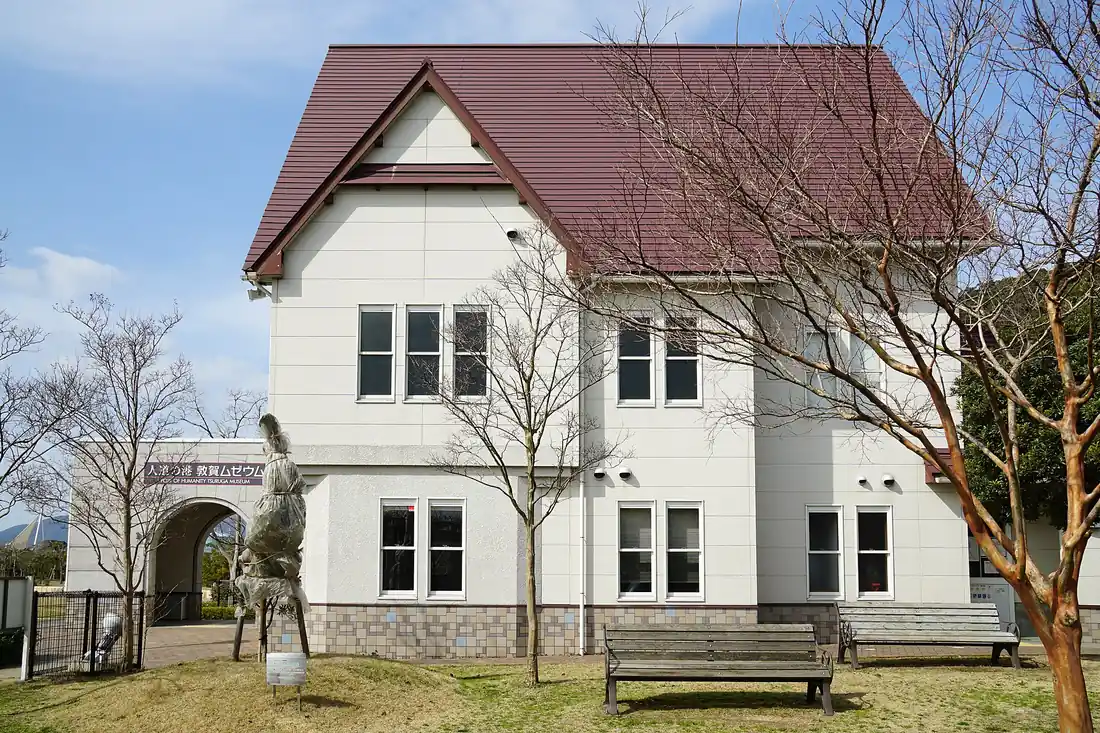
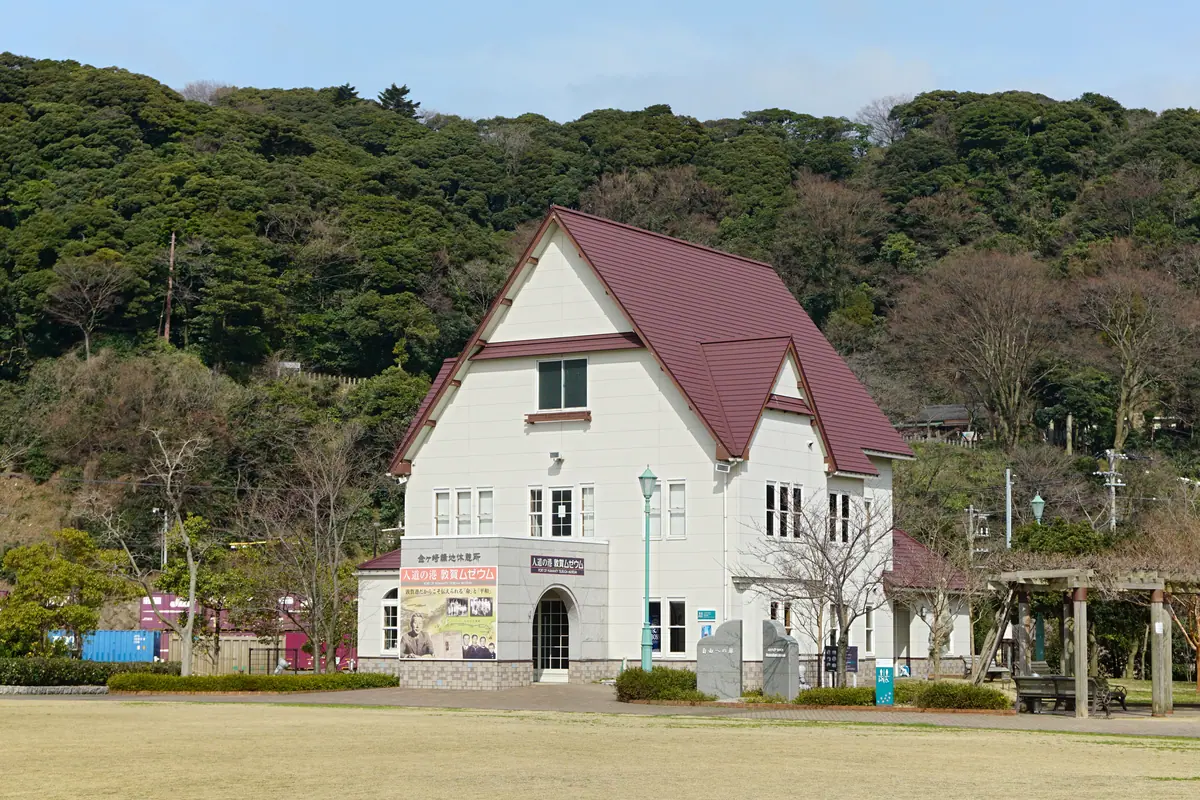
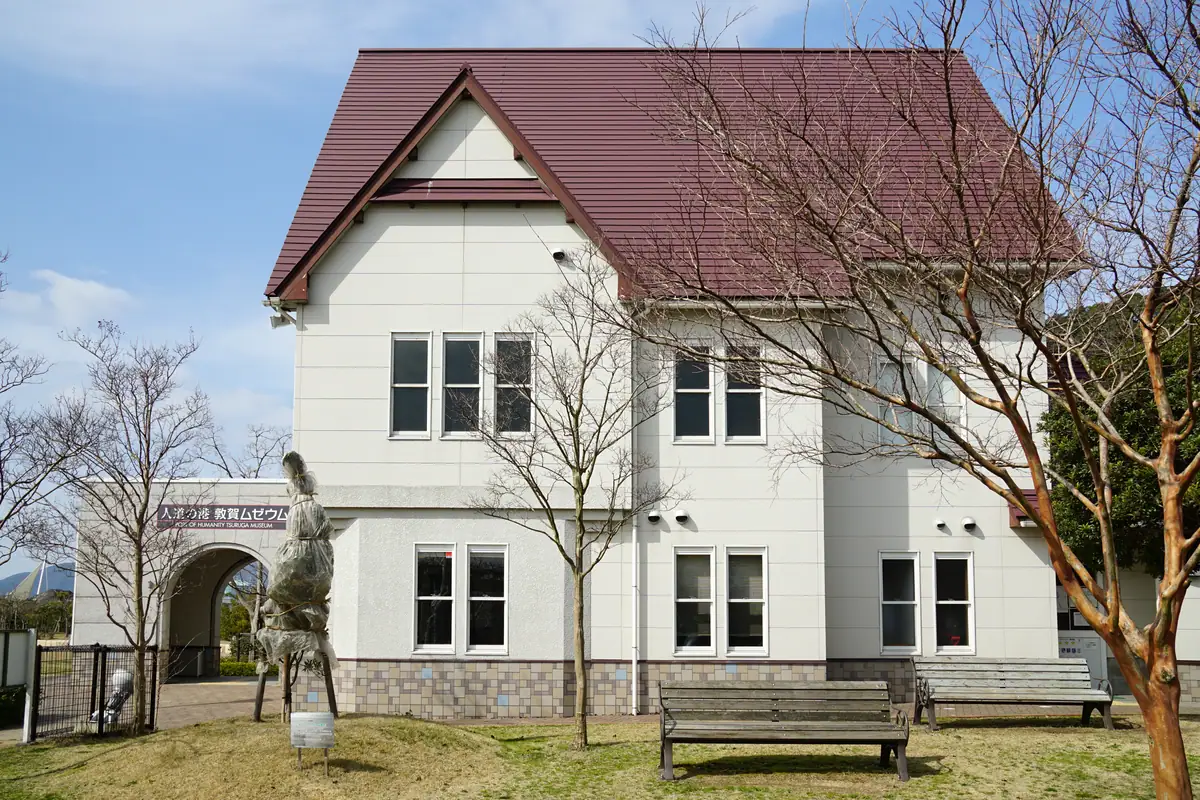
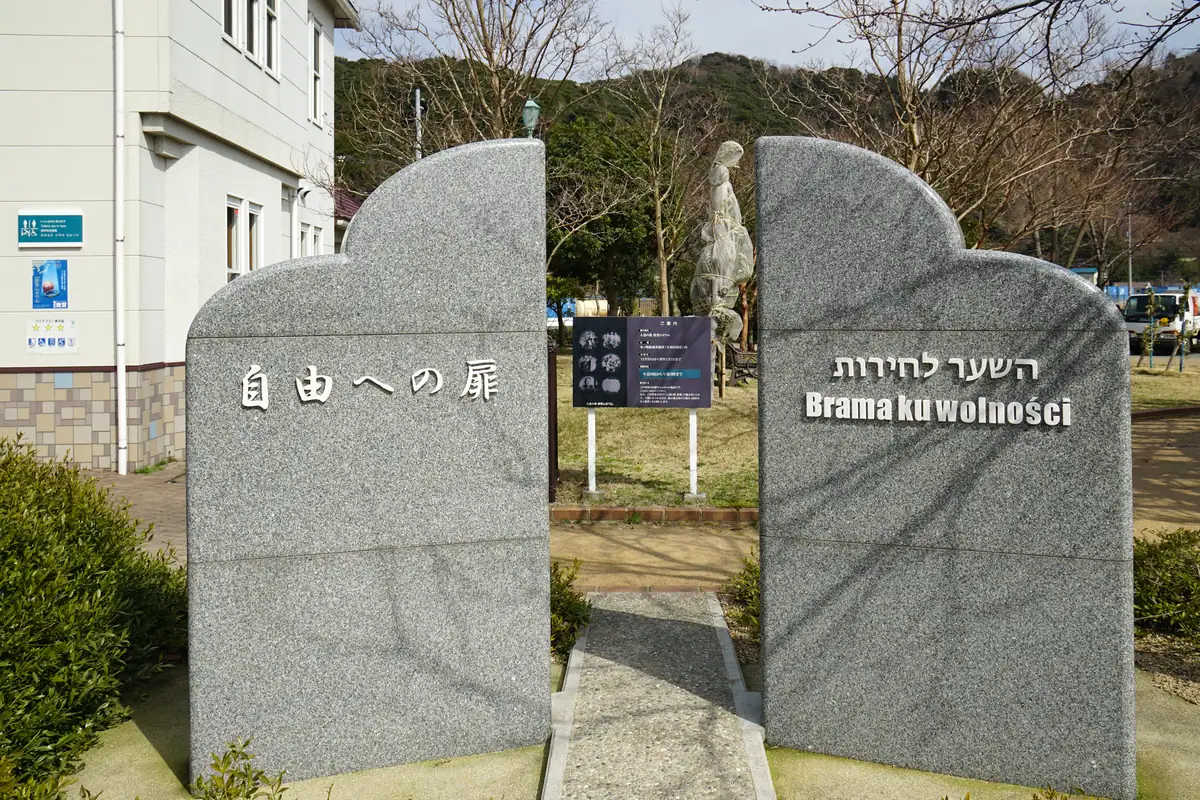
~1h — the round trip from the gangway, with the 60-minute margin kept aside.
Tap a photo to see it large. 6 photographs, each credited.
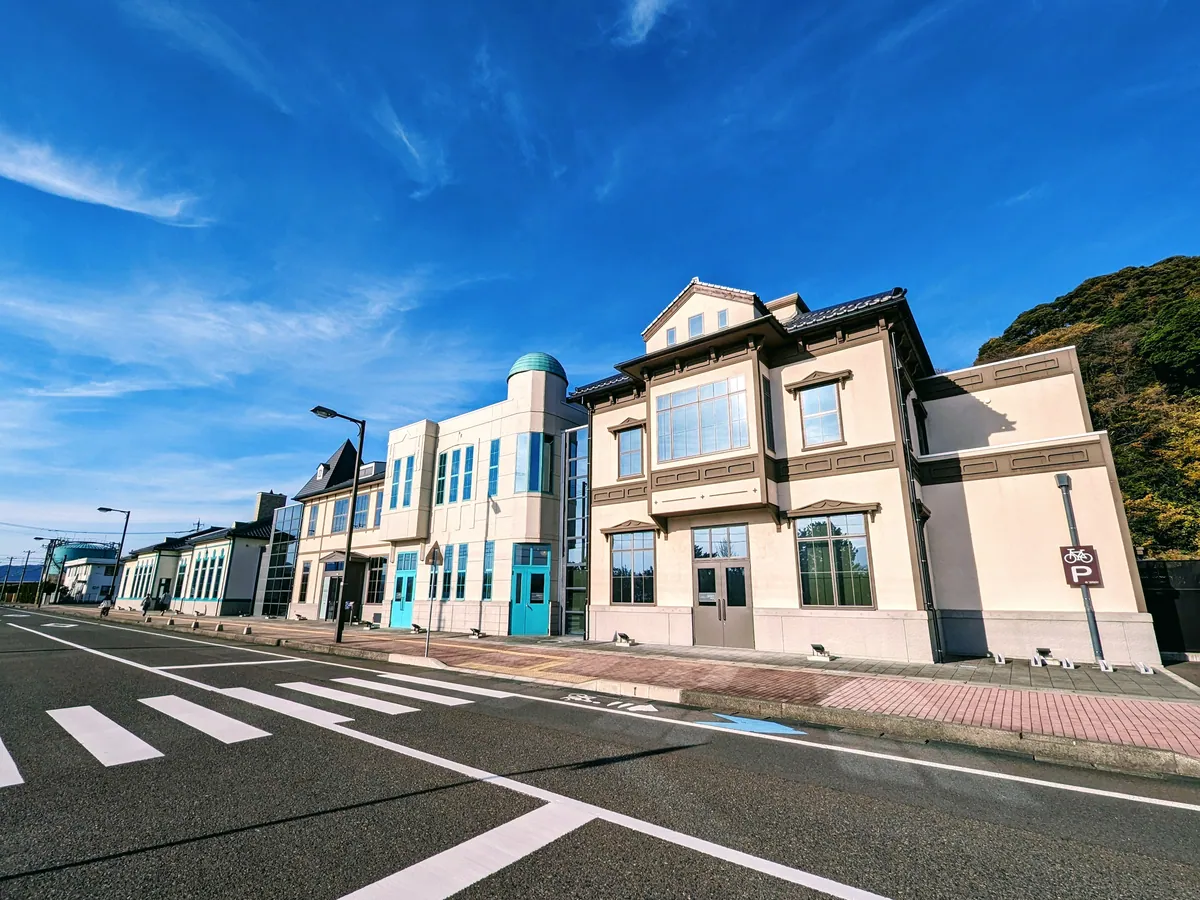
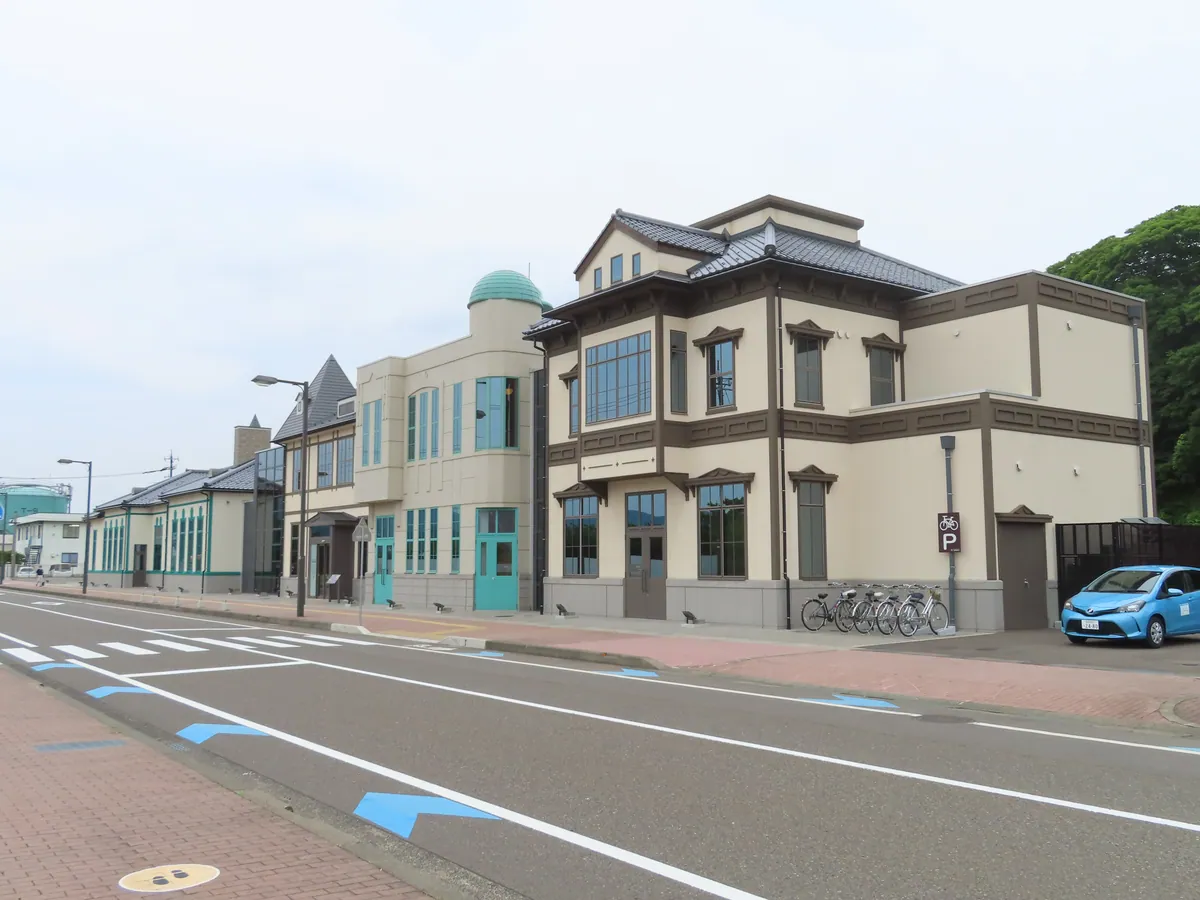
The only Japanese port that received Sugihara-visa refugees and the rescued Polish orphans — and the museum stands where they stepped ashore. Closed Wednesdays.
Between 1920 and 1940 Tsuruga received two groups almost nobody else would take: Polish orphans evacuated from Siberia, and around 6,000 Jewish refugees carrying transit visas written against orders by the Japanese consul in Lithuania, Chiune Sugihara. This museum is their landing point. It is small and it is the reason the town matters.
Both pins on one map, so the distance is a fact rather than a feeling.
Each of these still lands you back aboard with the hour to spare on a 6-hour stop ashore.
Each one is a finished day we have walked and timed, with this stop in it. Read the route rather than assembling it yourself.
Each of these still lands you back aboard with the hour to spare.
 1 hr 20 min for both
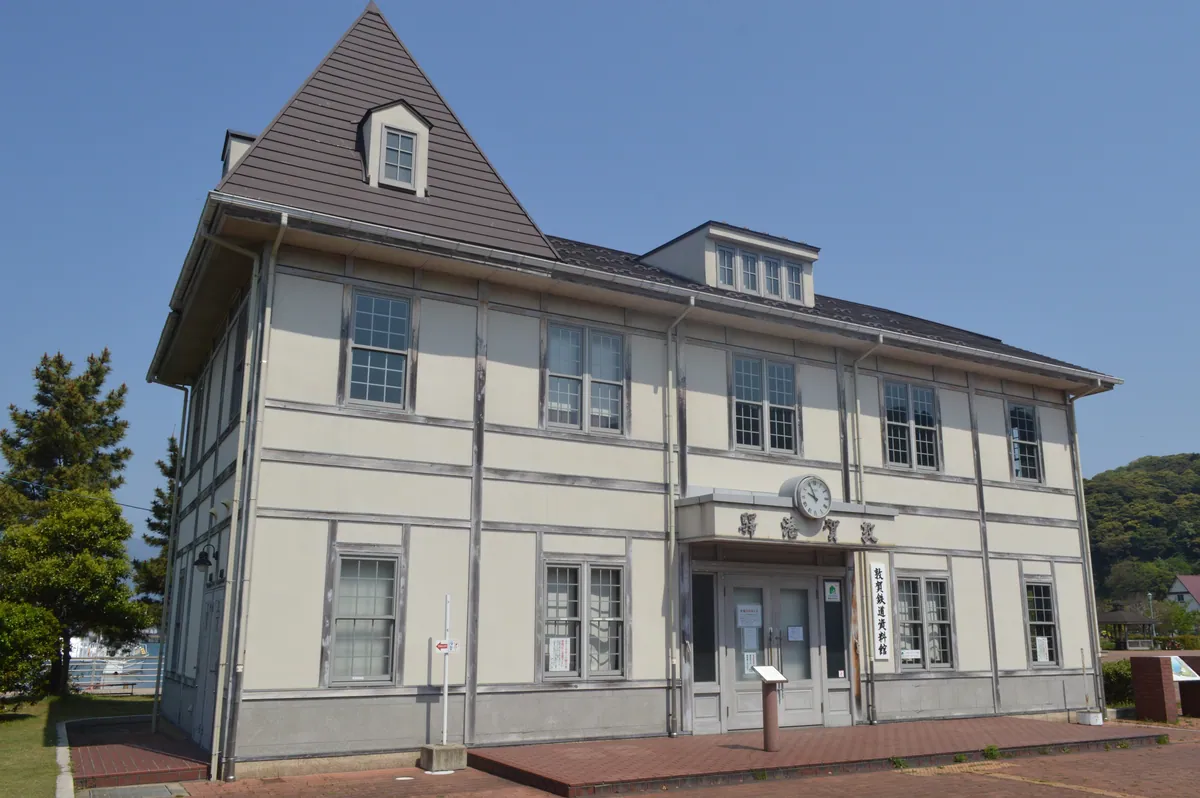
A pocket museum of the boat-train era, when Tokyo–Tsuruga–Vladivostok was the fastest way from Japan to Paris.
See the detail → 1 hr 30 min for both
Twenty-eight bronze Galaxy Express 999 and Space Battleship Yamato figures line the arcade — the town’s 1999 tribute to its port-and-rails century.
See the detail →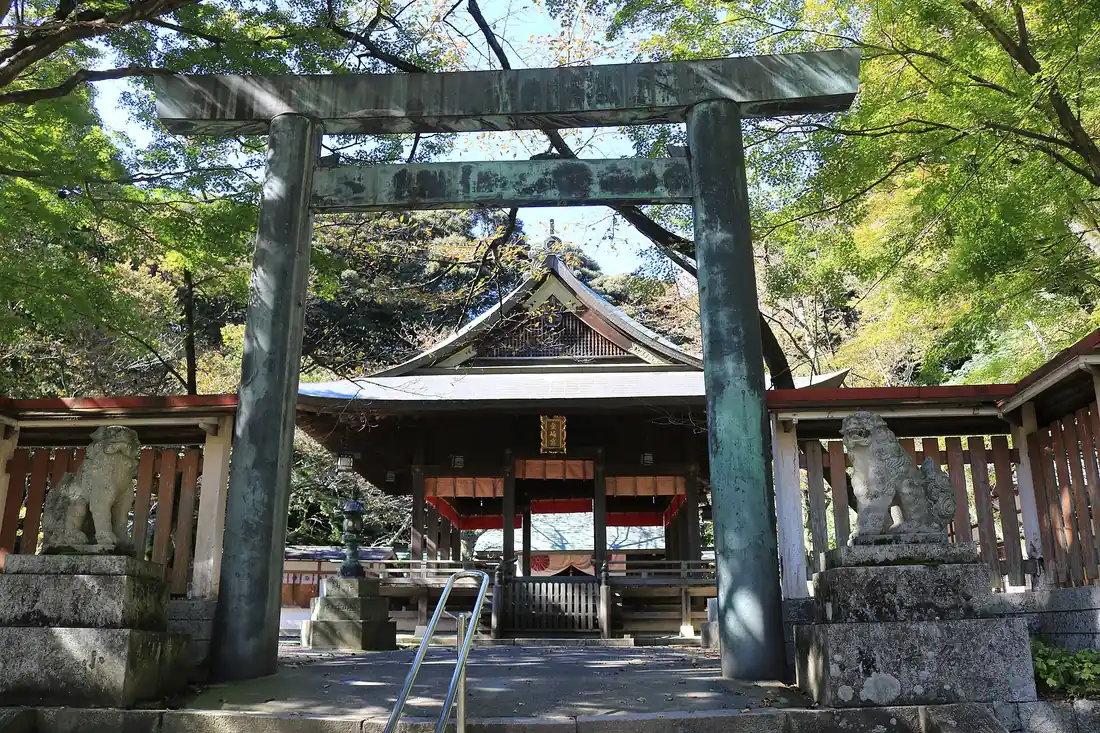 1 hr 30 min for both
The “love shrine” on the hill over the museum quarter — a short stair climb, a harbor view, and in early April the cherry-blossom flower-exchange festival..
See the detail →No typing needed — jump straight in:
Just docked? — the gangway toolStart from your shipThe ride from every berthAsk the editorGlossary