Home / Ports / Miyakojima / See
See in Miyakojima · #4 of the port's ten~1h on site — the round trip from the gangway, with the 60-minute margin kept aside.
Tap a photo to see it large. 3 photographs, each credited.
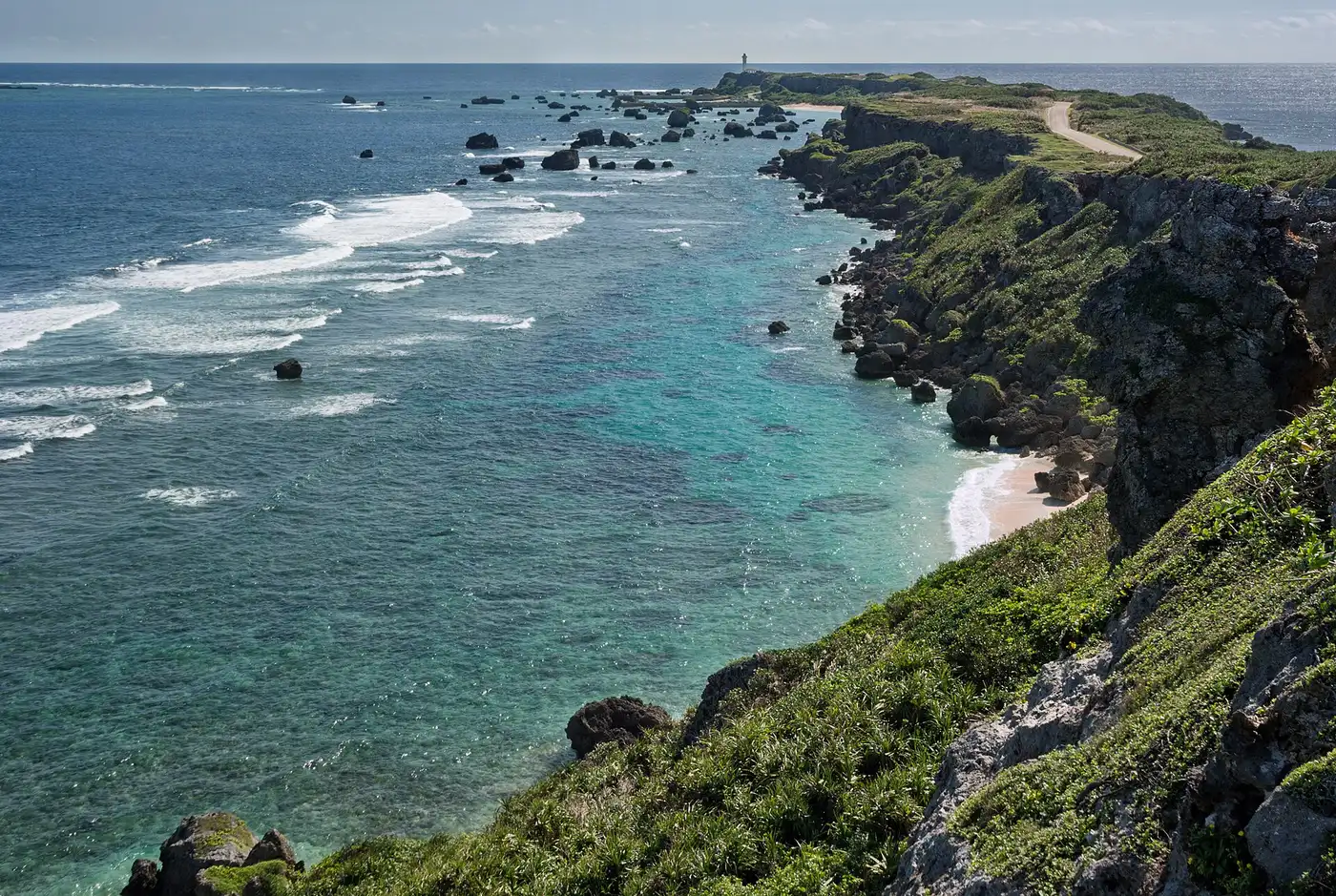
A two-kilometre grass blade of cliff dividing two seas, lighthouse at the tip. Nationally designated scenic beauty, and the island’s best walk that is not a beach.
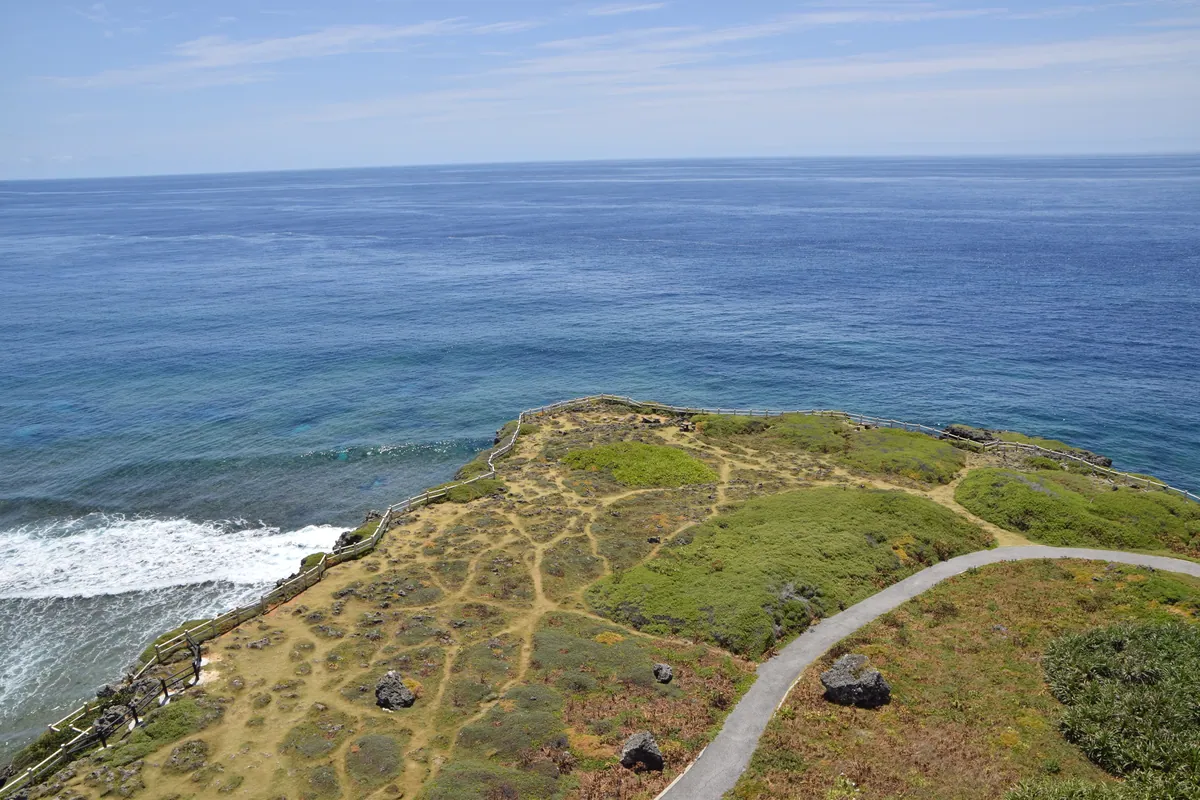
A two-kilometre limestone spit reaching east into the Pacific, with a lighthouse at the end and cliffs on both sides. It is a nationally designated Place of Scenic Beauty and one of the few Okinawan capes where you can see weather arriving from a long way off.
The island’s southeastern corner narrows to a two-kilometre blade of raised coral, ocean on both sides — the Pacific beating the cliffs to your right, the East China Sea lying flat to your left, sometimes in visibly different moods at once. It is a nationally designated Place of Scenic Beauty, and the island’s one great walk that involves no sand.
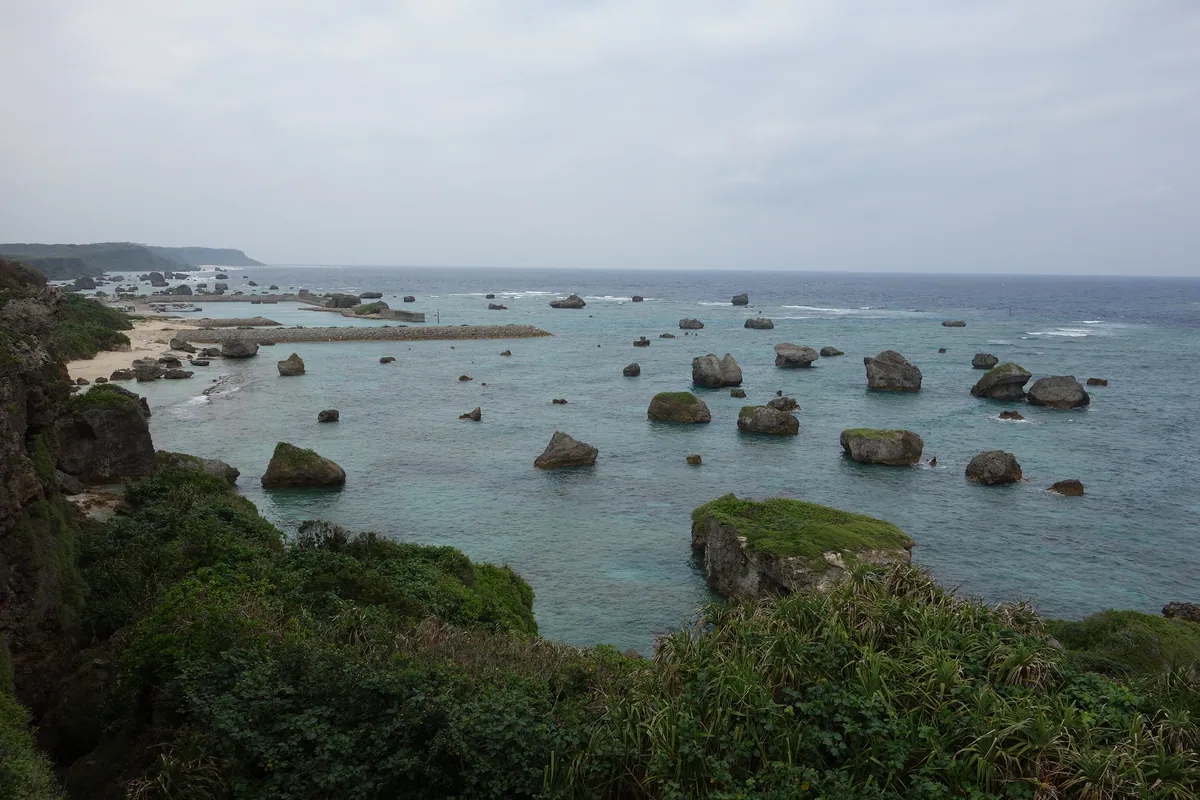
Along the path sit house-sized boulders that look decorative and are not: they are tsunami stones, thrown onto the cape by the great Meiwa tsunami of 1771. The prettiest walk on the island is also its most legible geology lesson.
Both pins on one map, so the distance is a fact rather than a feeling.
Counted from the moment you step off the gangway. The hour before all-aboard is not in this bar; it is already set aside.
40 minutes each way is the honest figure for car ~40 min, not the optimistic one. If your ship is late, cut the 15 min in the middle. Never cut the hour at the end.
Each of these still lands you back aboard with the hour to spare on a 6-hour stop ashore.
On calls of six hours or more, yes — it is the island’s best non-beach sight and its finest walk. On short calls the 80-minute round-trip drive eats the day; the Irabu bridge delivers comparable drama at a quarter of the distance from the quay.
Tsunami stones — coral blocks the size of houses thrown onto the clifftop, most of them by the Meiwa tsunami of 1771 that devastated the Miyako and Yaeyama islands. They are studied, dated and left where the sea put them.
Each one is a finished day we have walked and timed, with this stop in it. Read the route rather than assembling it yourself.
Each of these still lands you back aboard with the hour to spare.
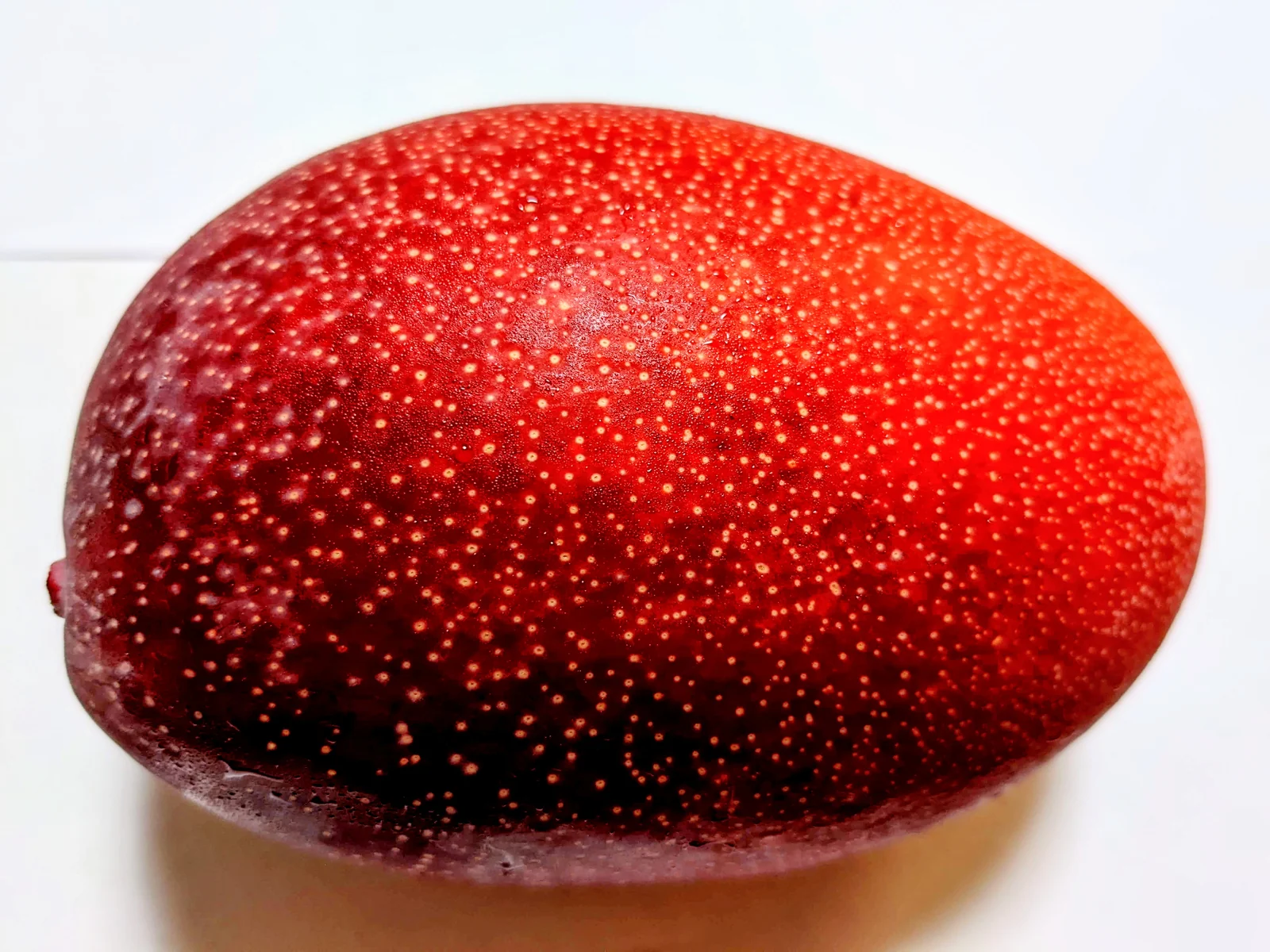 1 hr 40 min for both
June to August the island’s farms serve their own fruit over ice at parlour counters.
See the detail →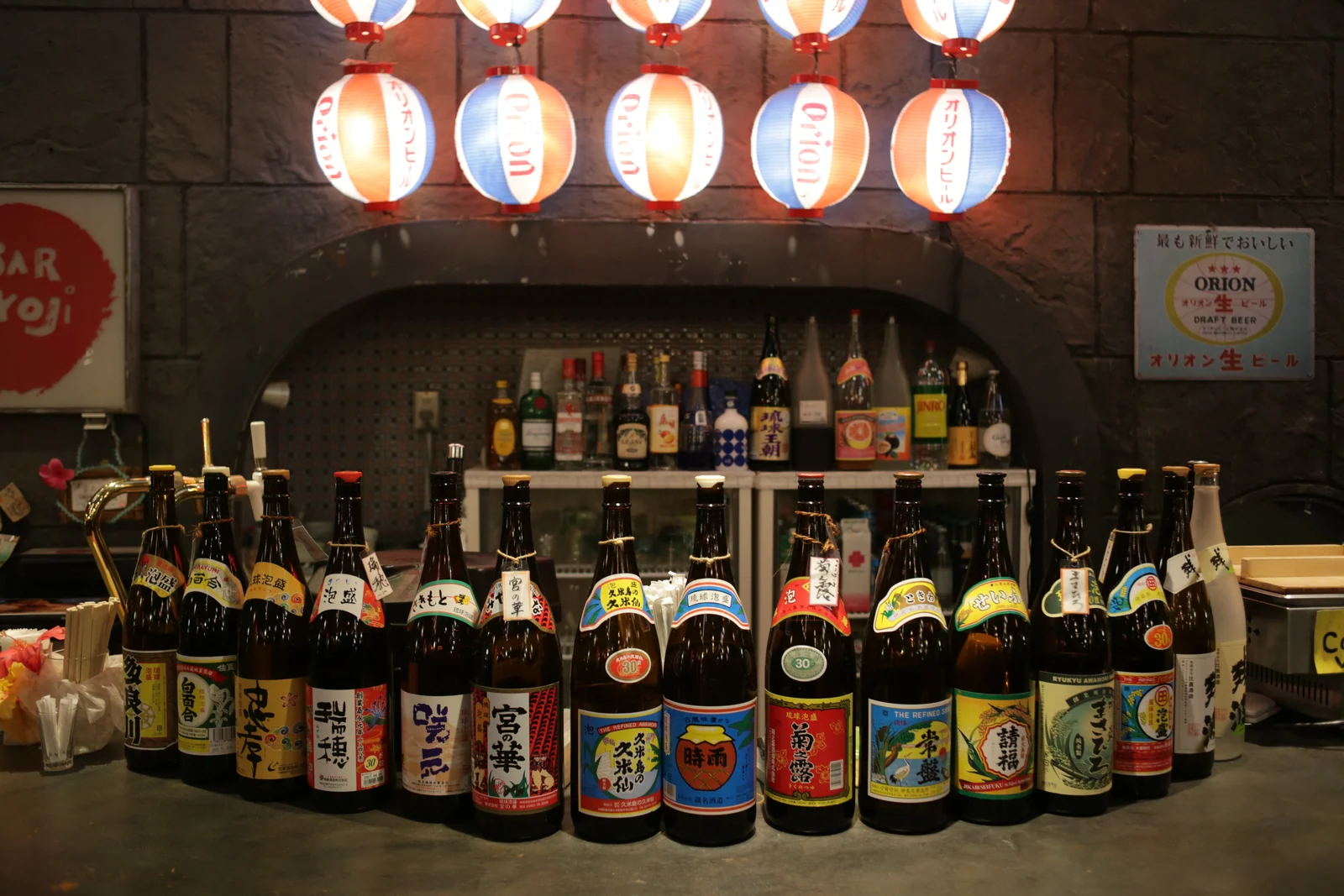 1 hr 40 min for both
Yuki-shio powder salt from reef seawater, and the island distilleries’ awamori — the two bottles that carry Miyako home in a daypack..
See the detail →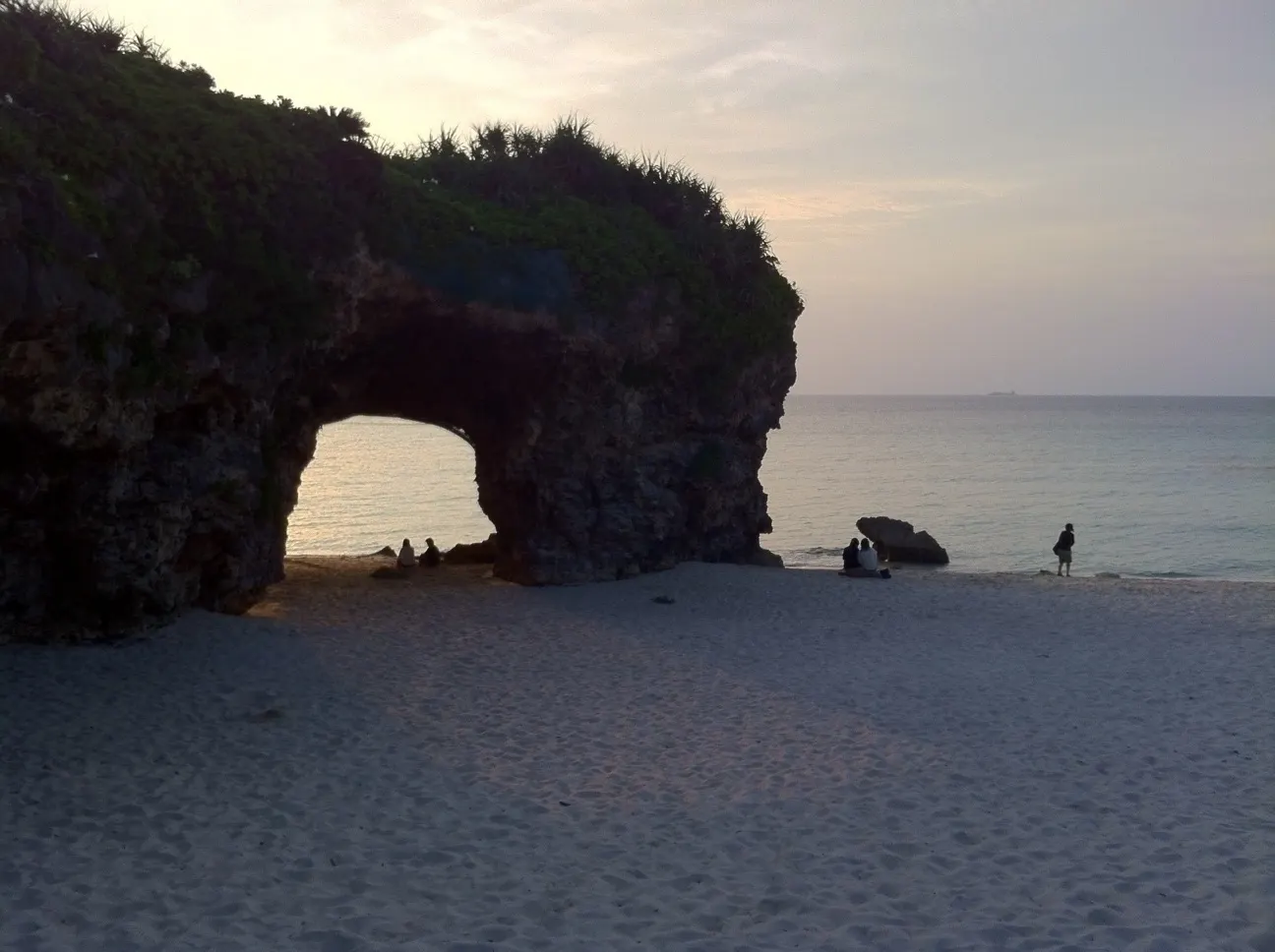 2 hr for both
Over a sand dune and down to a cove with a wave-cut arch.
See the detail →No typing needed — jump straight in:
Just docked? — the gangway toolStart from your shipThe ride from every berthAsk the editorGlossary