Hamamatsu Castle and an unagi lunch
 1 / 7
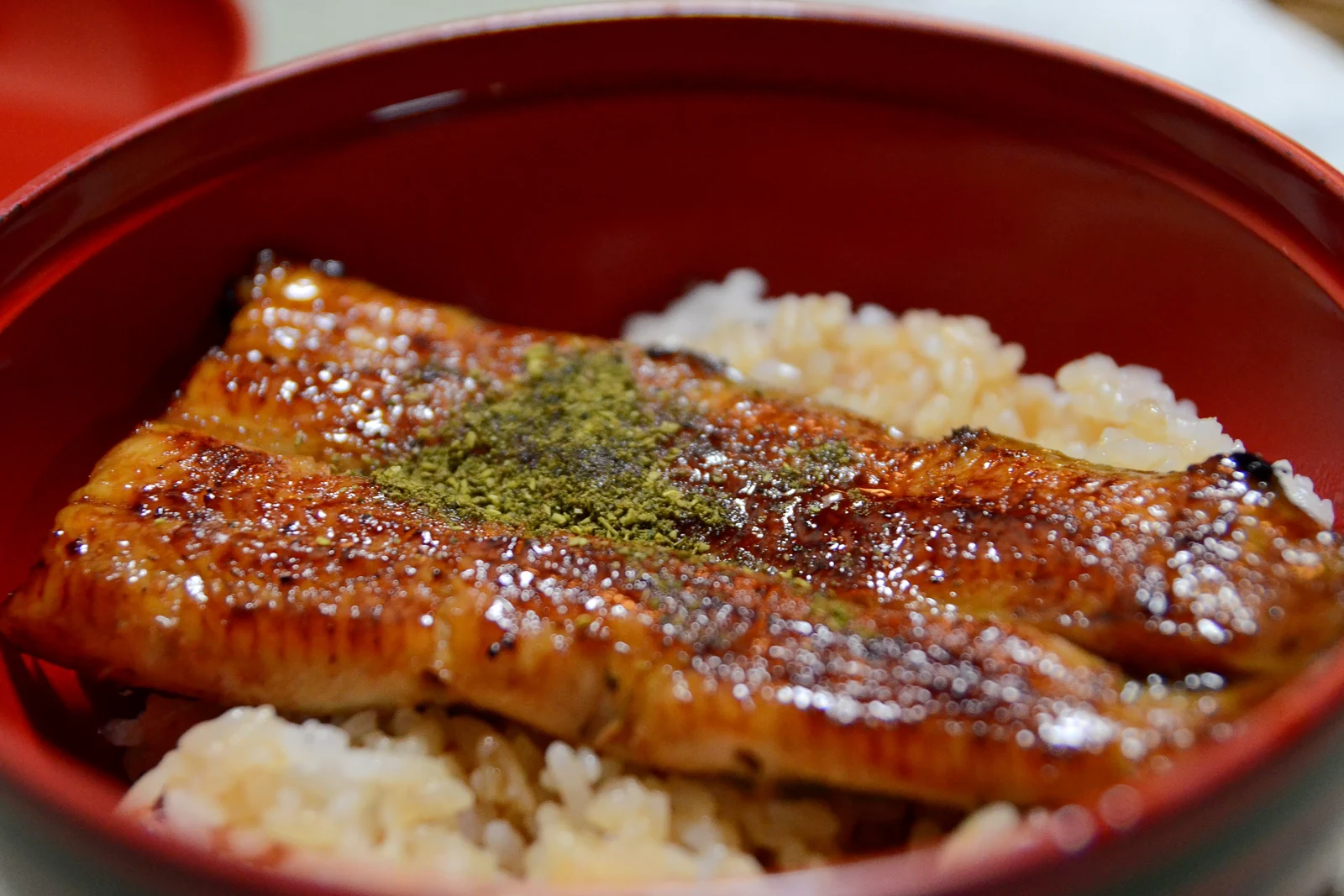
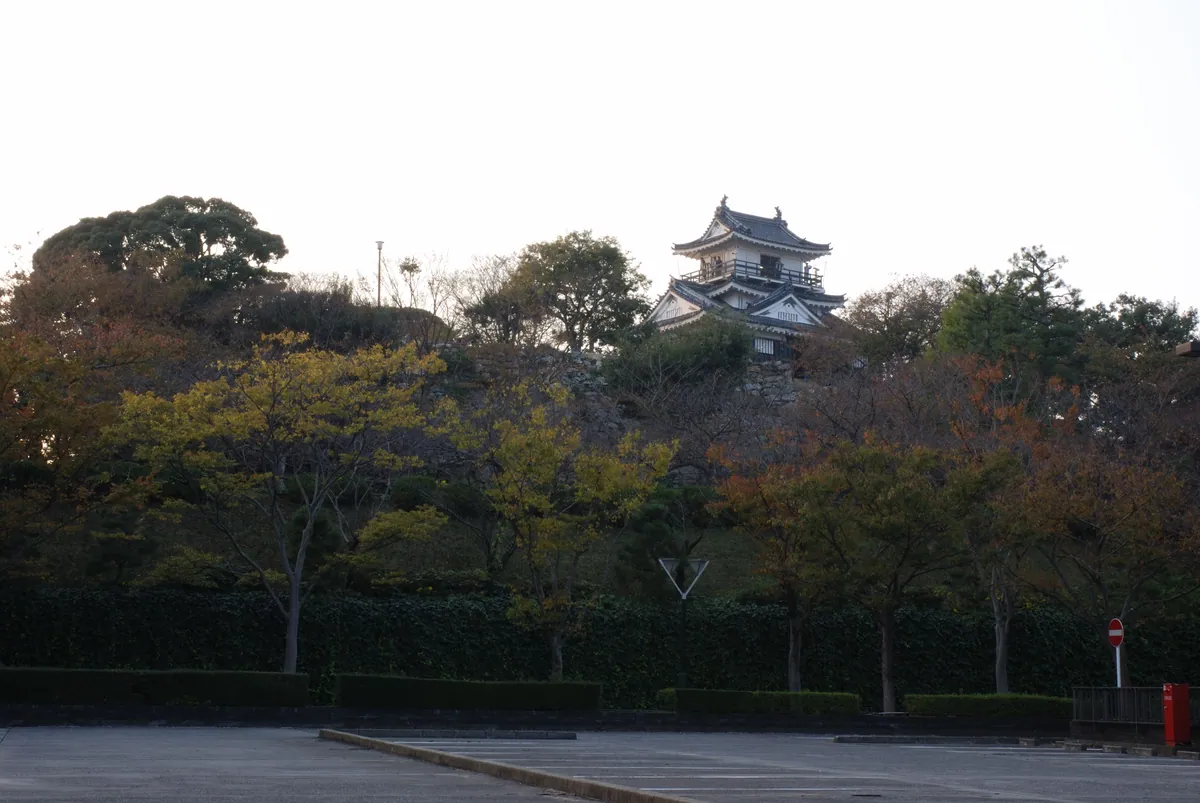
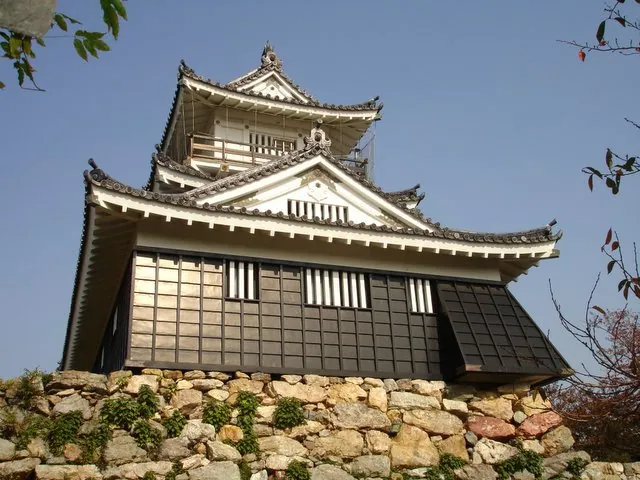
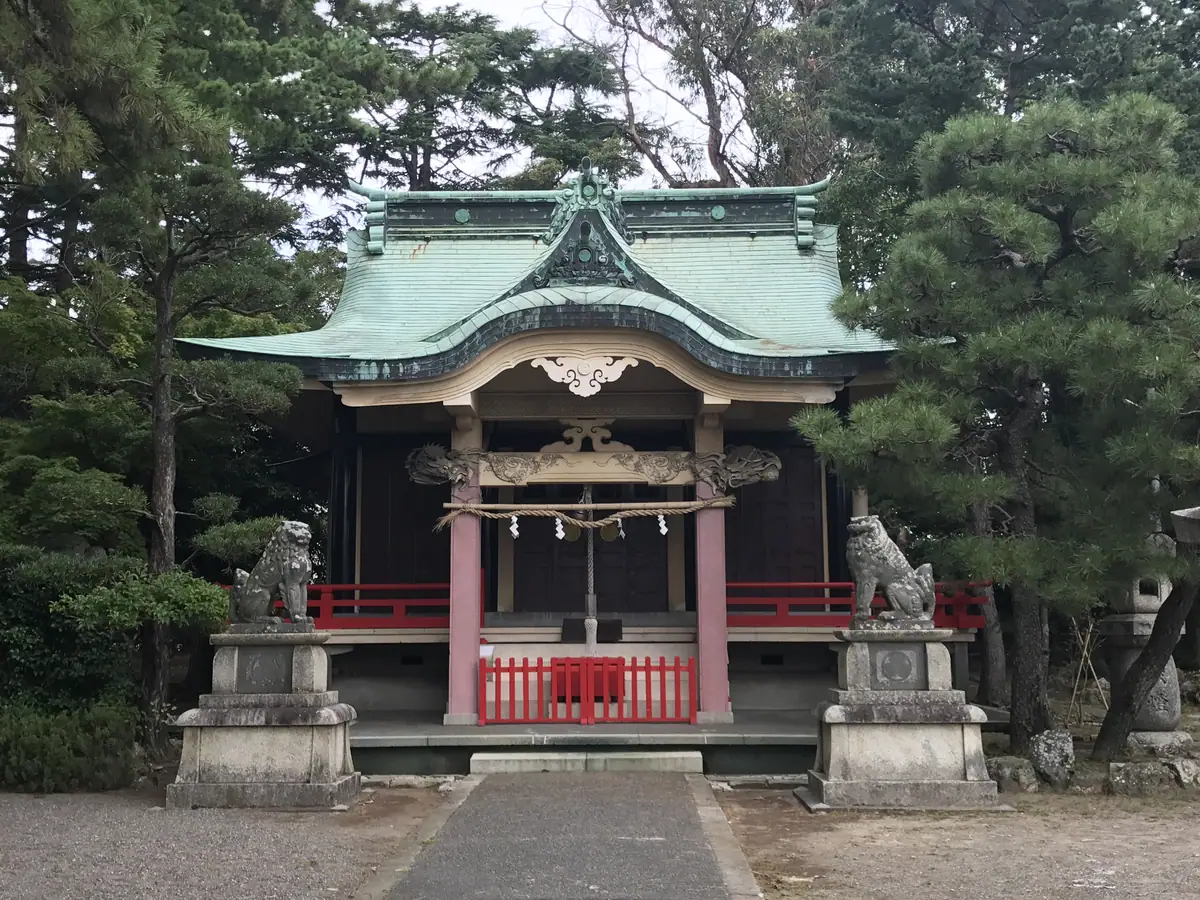
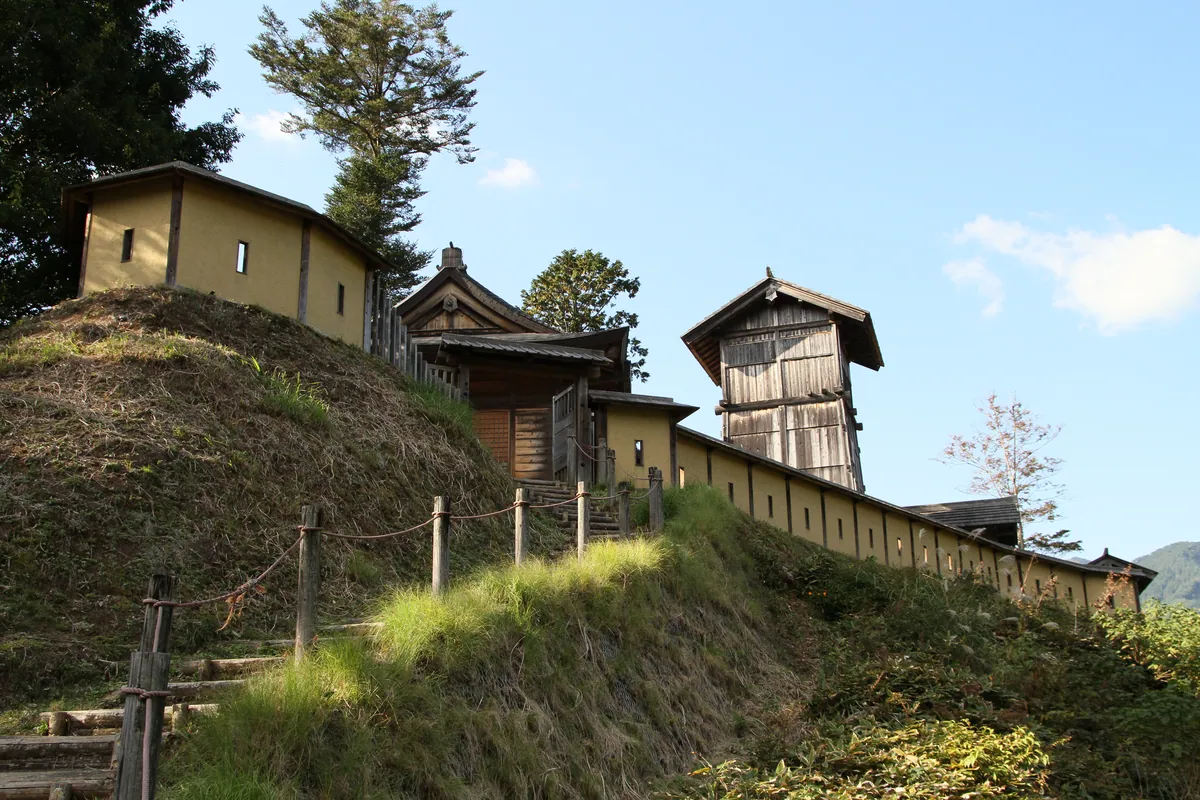
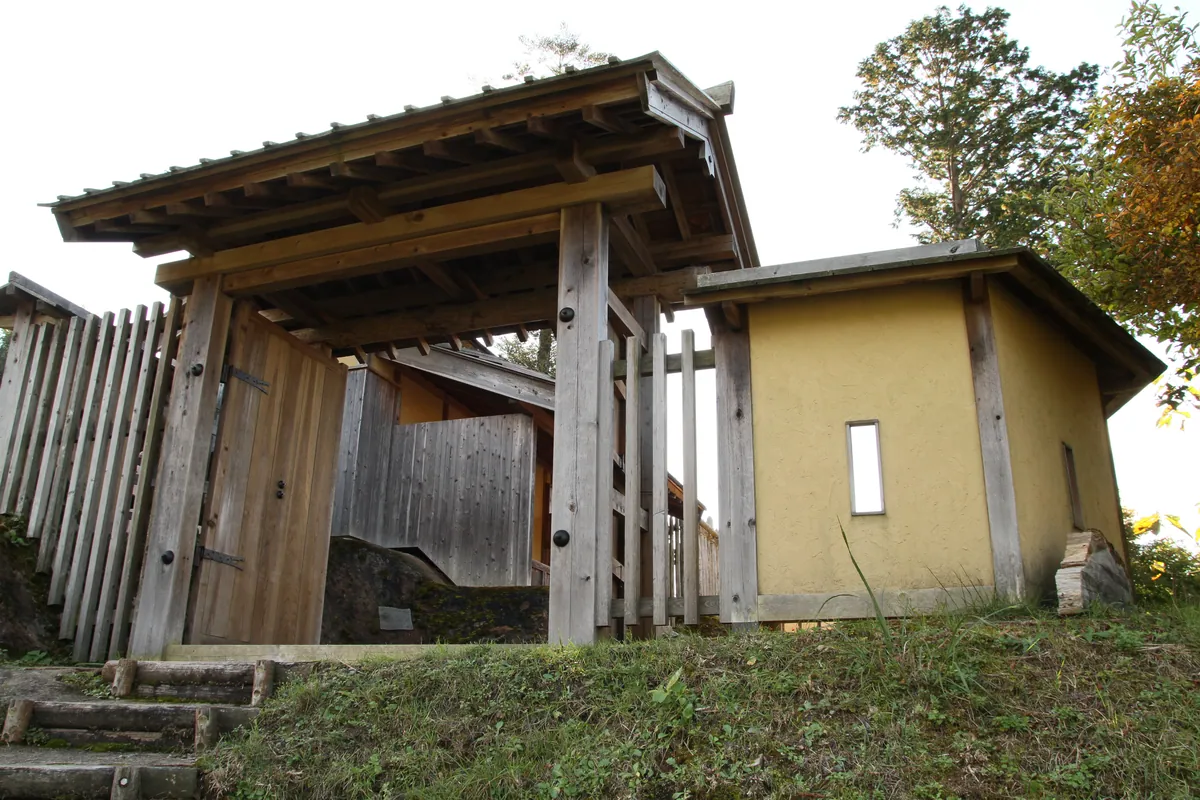
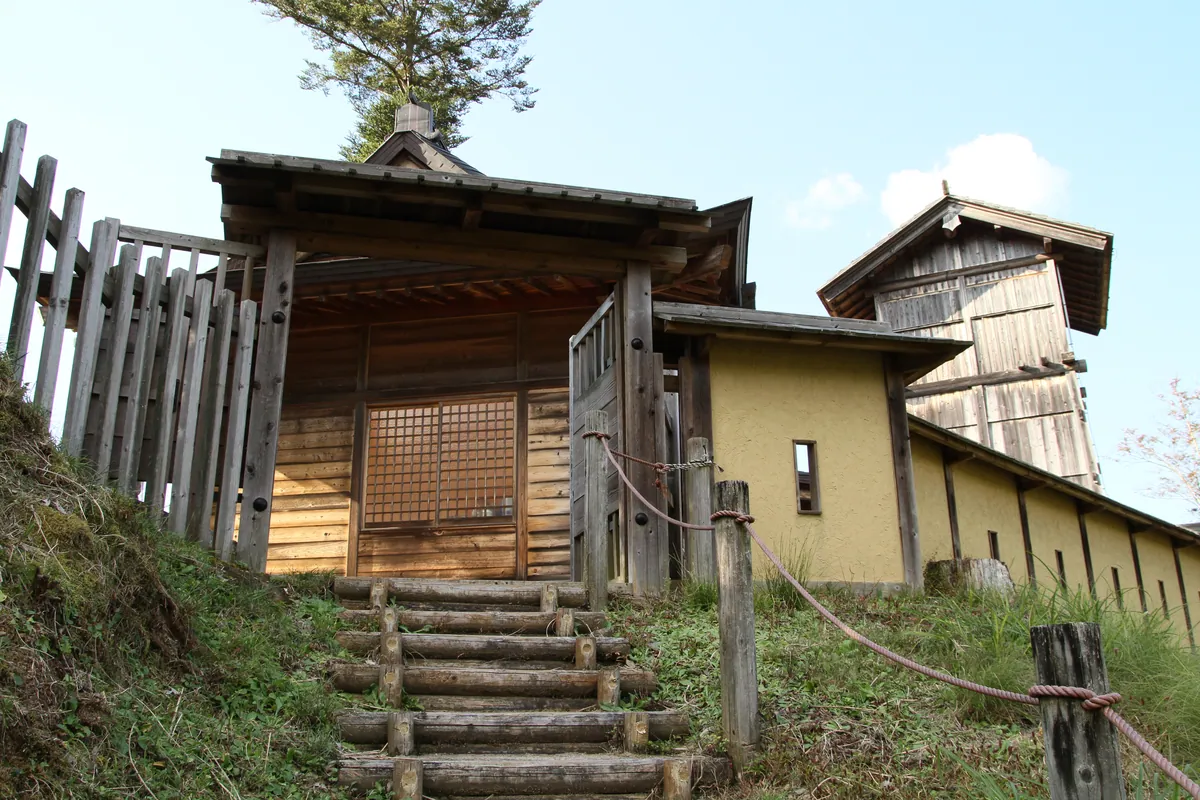
1 / 7Hamamatsu Castle and an unagi lunchPhoto: Toshihiro Gamo from Yokohama, Kanagawa, Japan / CC BY 2.0
Tap a photo to see it large. 7 photographs, every one credited.
Grilled eel is Hamamatsu’s dish, and the castle where Tokugawa Ieyasu spent 17 years sits 20 minutes’ walk from the station, ¥200, 8:30–16:30. The rebuilt keep is concrete; the rough stone walls are original. A long-call choice only: castle and lunch, then straight back.
- 4 hr door to door means a 2–3 hour stop ashore cannot hold it. Pick something closer instead.
Why Hamamatsu Castle and an unagi lunch is famous
Hamamatsu Castle is where Tokugawa Ieyasu spent 17 years, from the age of 29 to 45. It is nicknamed the castle of promotion, because so many lords who held it went on to high office in the shogunate. The keep is a concrete replica of 1958, but it stands on Ieyasu's own stone walls, laid in the rough unshaped style called nozura-zumi. Grilled eel is the city's dish; Lake Hamana on its western edge is a long-established eel-farming water.
Three places, three different answers
The one the queue agrees on, the one people who live here use instead, and the one nearest your ship. Opening days change; check before you build a day around one.
Hamamatsu Castle and an unagi lunch and your ship
Both pins on one map, so the distance is a fact rather than a feeling.
Where the 4 hr goes
Counted from the moment you step off the gangway. The hour before all-aboard is not in this bar; it is already set aside.
40 minutes each way is the measured figure for hired car only; 48 km, about 40 min each way without traffic, not the optimistic one. If your ship is late, cut the 2 hr 40 min in the middle. Never cut the hour at the end.
Routes that already include it
Each one is a finished day we have walked and timed, with this stop in it. Read the route rather than assembling it yourself.
What to put beside it
Each of these still lands you back aboard with the hour to spare.
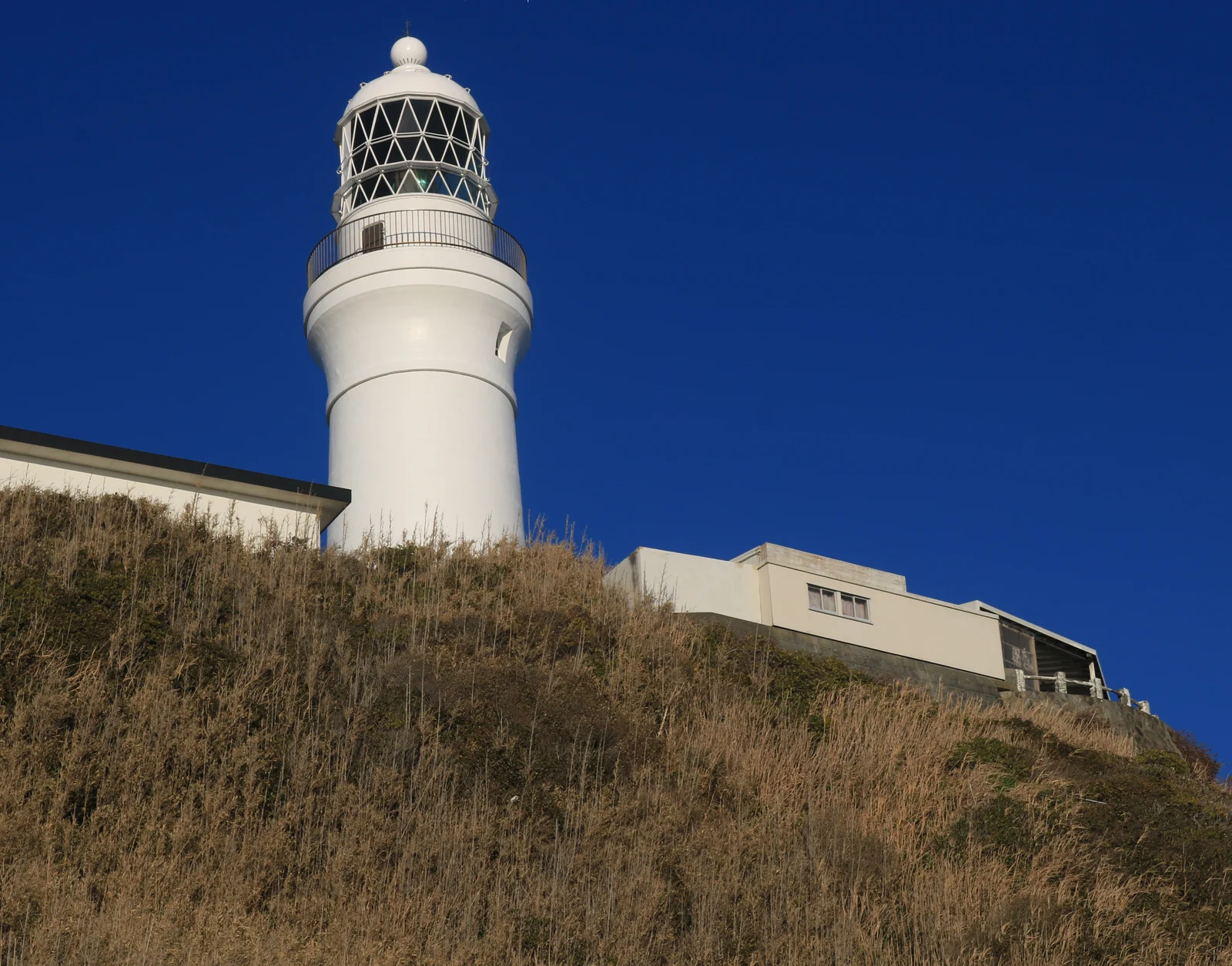 See · ~1.5–2h
Omaezaki Lighthouse and the cape
A white brick tower designed under Richard Henry Brunton and first lit in 1874, one of Japan’s 16 climbable lighthouses.
See the detail →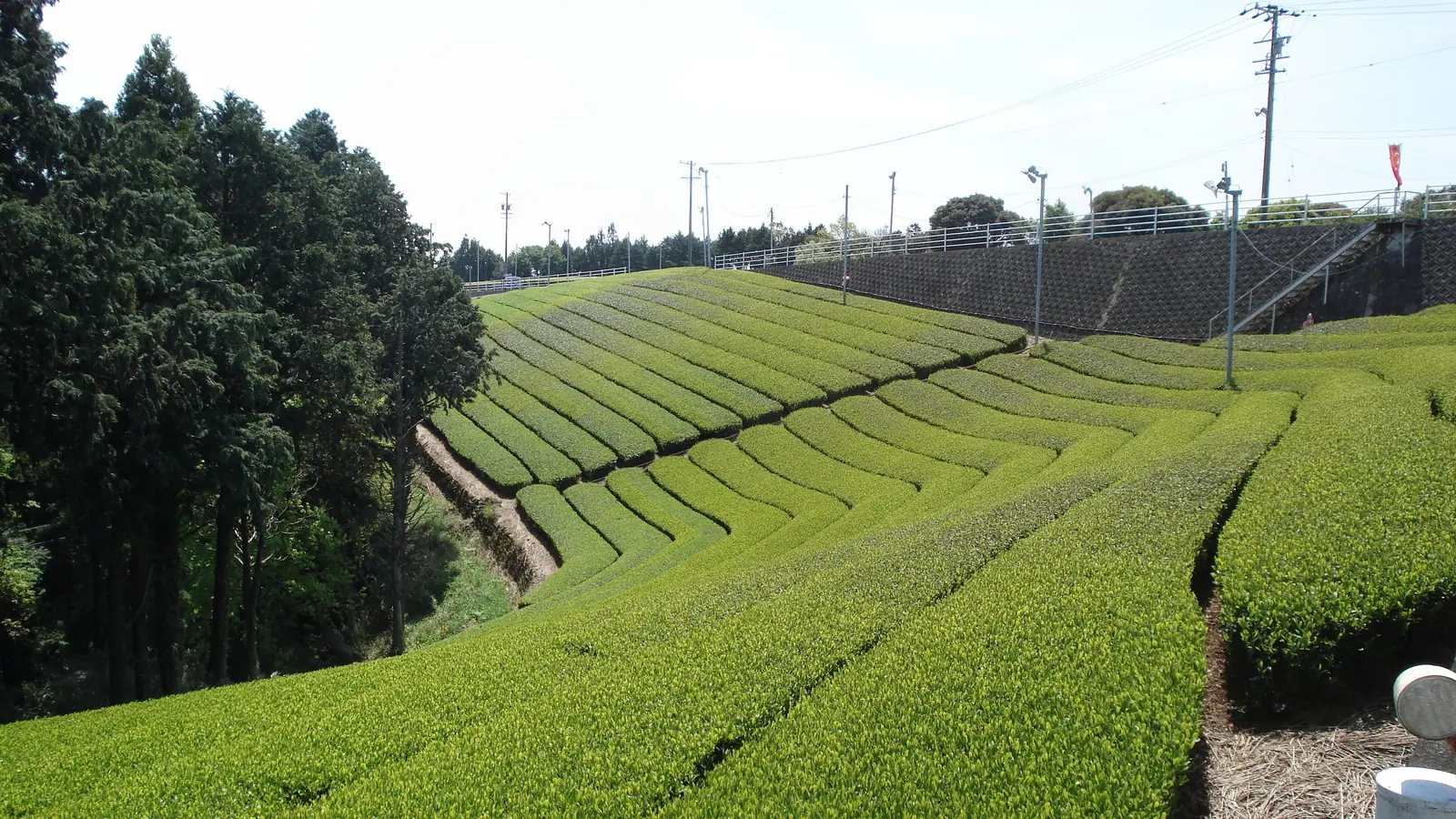 See · ~2h
Makinohara tea plateau and Grinpia
The largest tea plateau in Japan, planted by former Tokugawa retainers after the Restoration.
See the detail →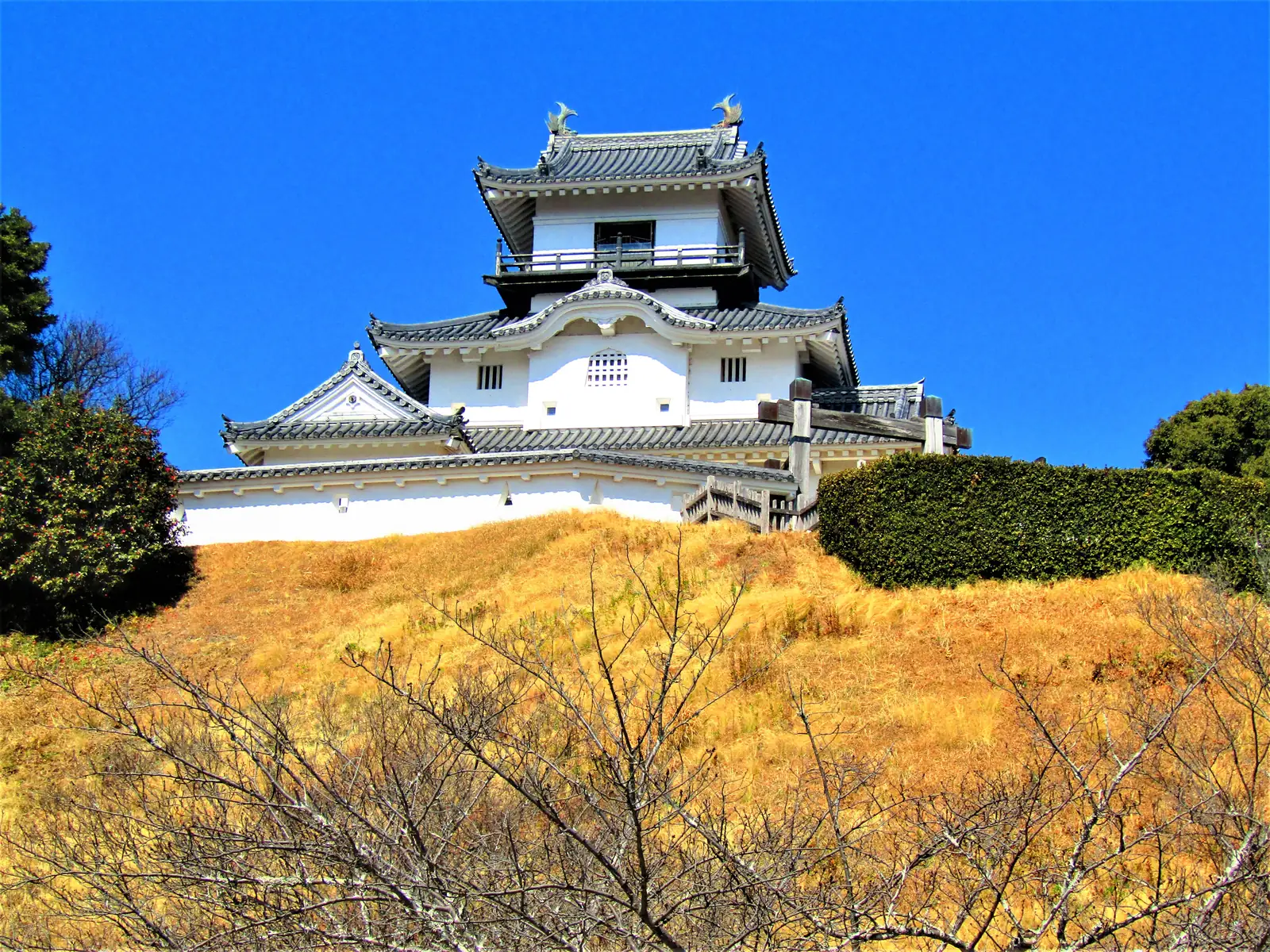 See · ~3h
Kakegawa Castle
The first full-scale wooden keep rebuilt in Japan, in 1994, beside a late-Edo palace that is one of four castle palaces left in the country.
See the detail →