PORT OF JAPAN
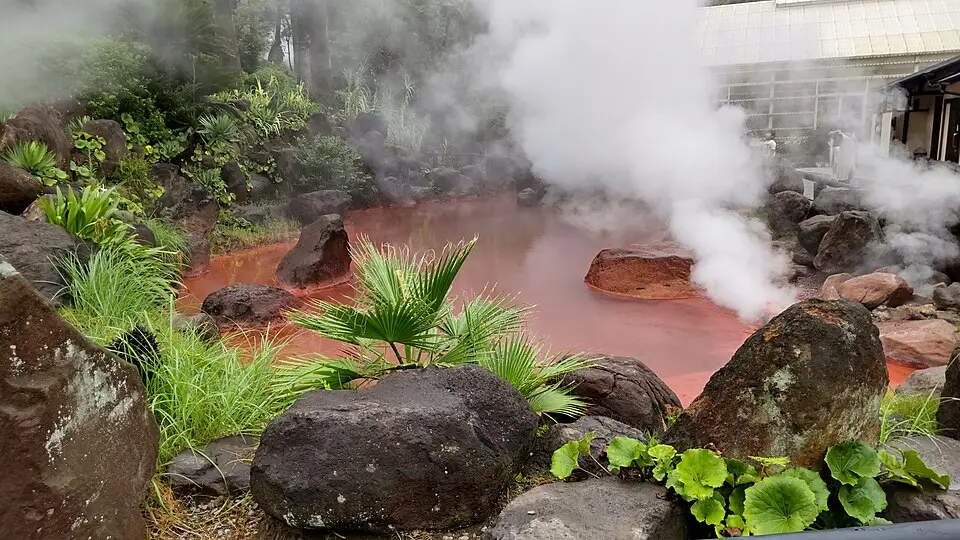
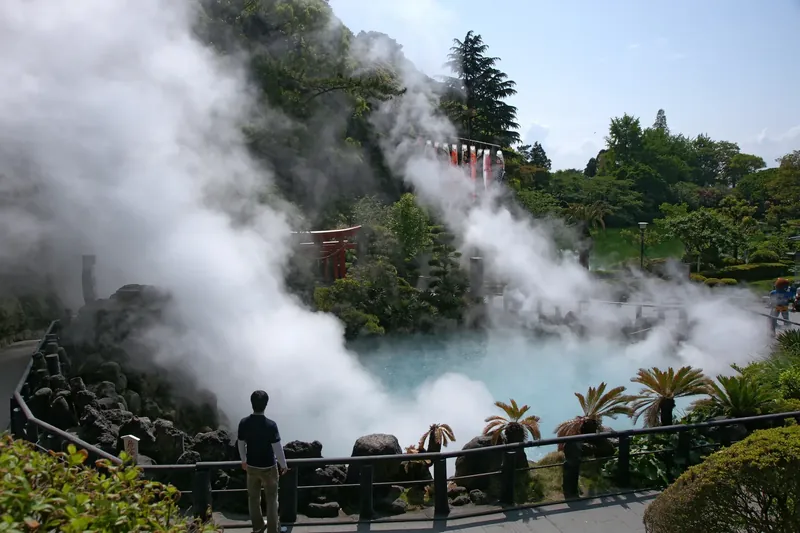
The turquoise steaming pond of Umi Jigoku in Beppu

Home / Ports / Beppu / Culture

Culture & history · Beppu

Why Beppu is Beppu

The things that happened here and only here, told properly, then tied to what you can see, taste and book while your ship waits.

Photo: Adobe Stock / Licensed

Checked against official sources · updated · Takumi Yamada

What Beppu is

Beppu in 5 stories

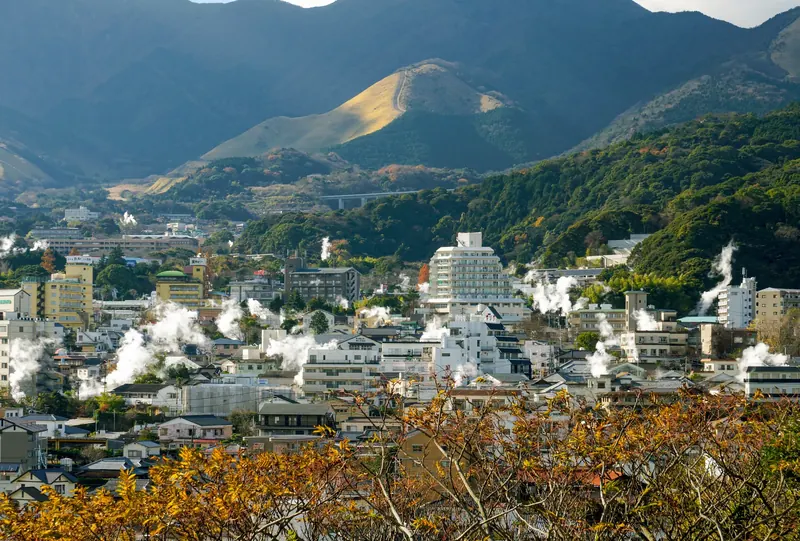
Beppu is Japan's hot-spring capital, a port town in Oita where steam rises from drains, gardens and the gaps between houses. People come for the seven hells of Kannawa, boiling ponds coloured cobalt blue, grey mud and iron red, and for baths of every kind, hot sand included. Your ship ties up at No.4 Pier, north of town, about 15 minutes by bus from the hells and a lunch you steam yourself in volcanic vapour.

The turquoise water of Umi Jigoku, one of the hells of Beppu
01 · The ground

The hells

Beppu has around 2,200 hot spring vents and discharges more hot water than any other town in Japan — a volume second in the world only to Yellowstone. Steam comes out of drains, gardens and the gaps between houses, and the local word for the seven most violent springs is "hells."

Read the story
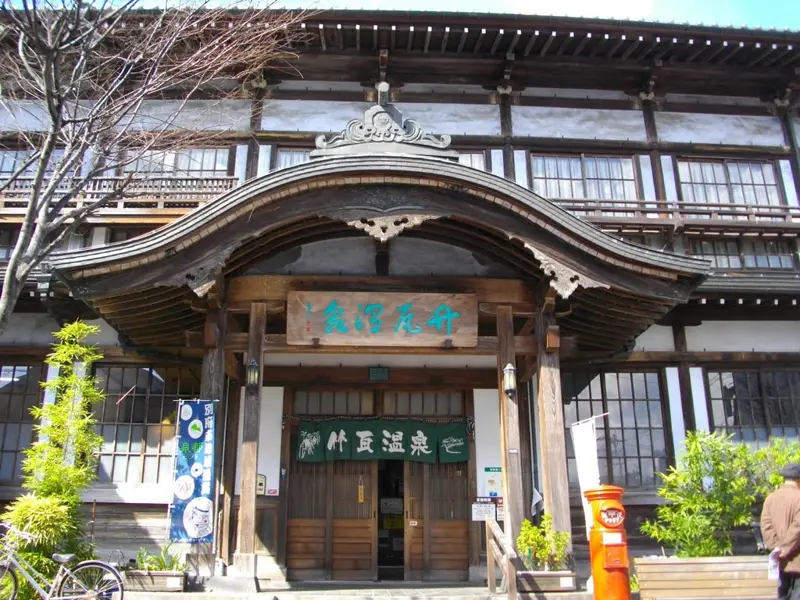
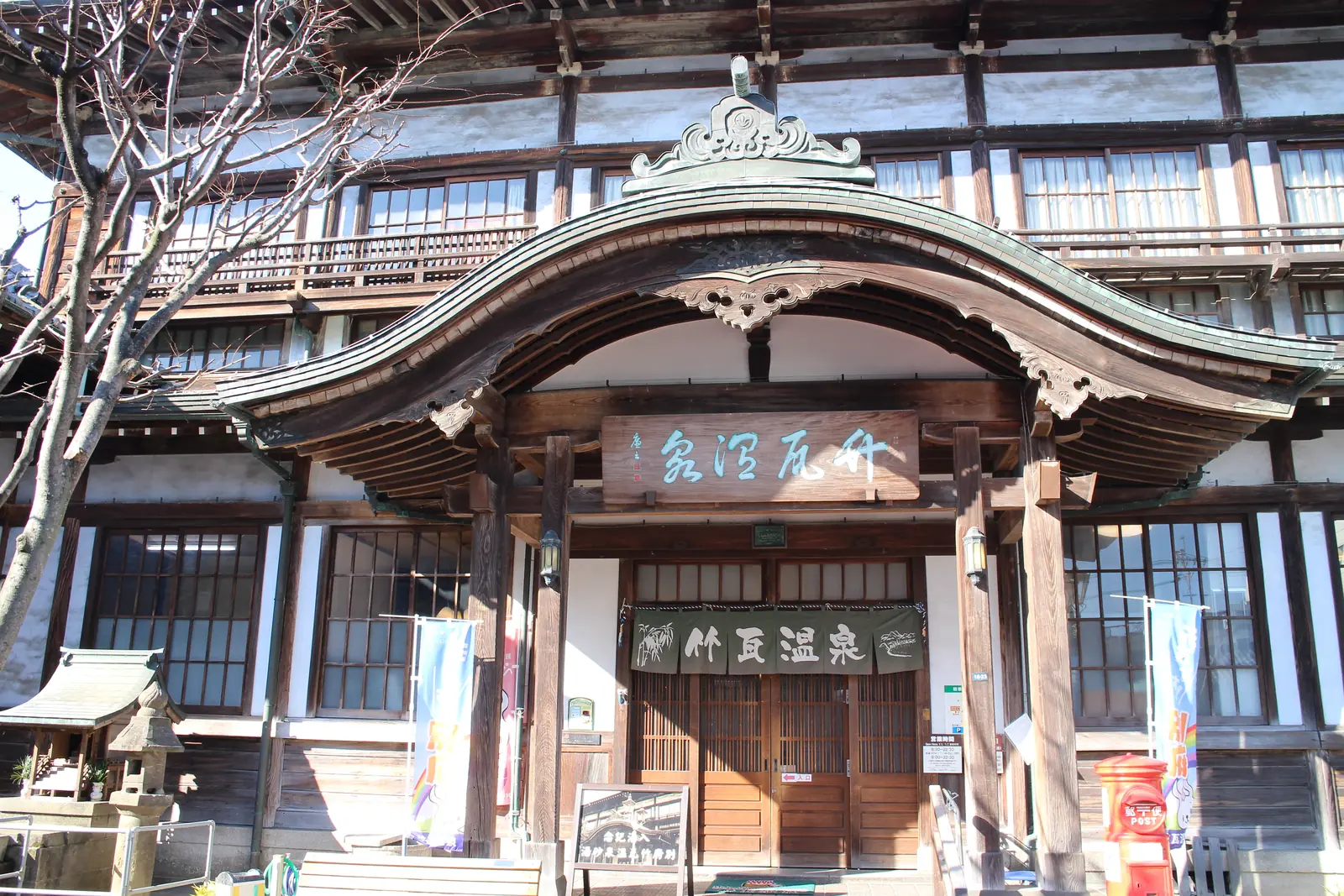
Takegawara Onsen, the 1879 bathhouse in Beppu
02 · The bathing

Beppu Hatto

Beppu is not one hot spring resort. It is eight — each with different water chemistry, a different character and a different price, ranging from a marble-floored hotel spa to a tin-roofed neighbourhood shed that costs a hundred yen and has no attendant.

Read the story
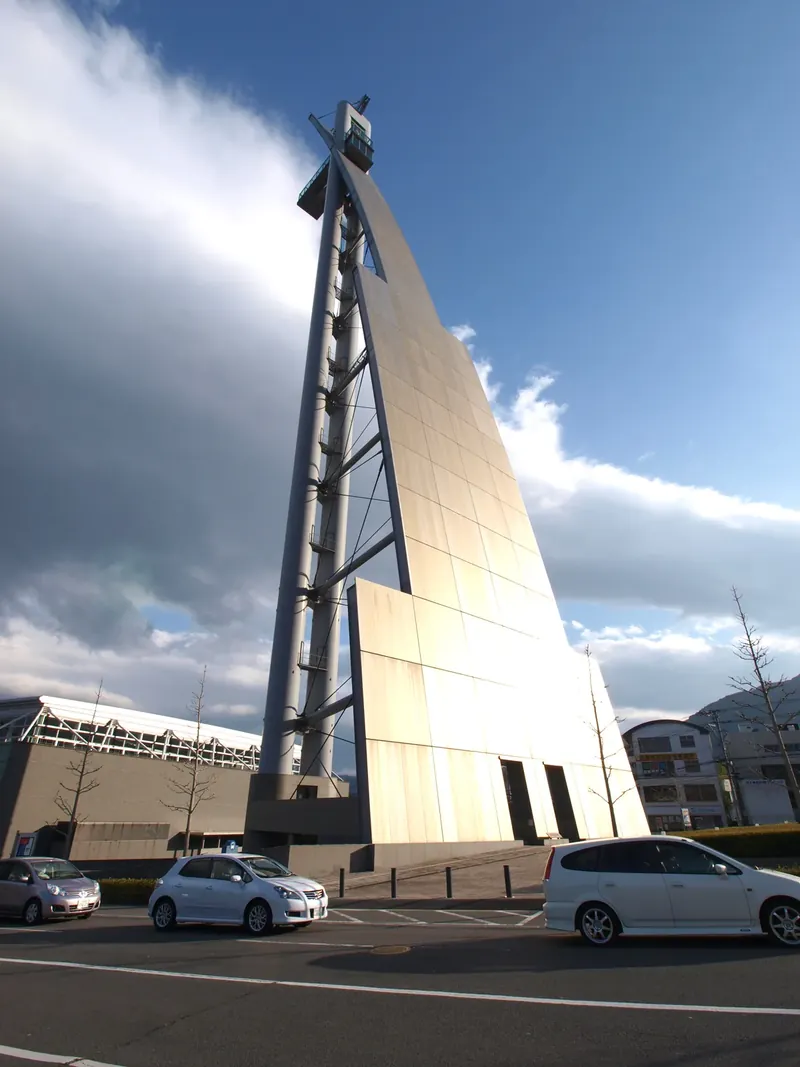
Global Tower and B-Con Plaza in Beppu
03 · The man

Aburaya Kumahachi

Beppu had hot water for a thousand years and was a minor bathing village. Then one man arrived in 1911, decided this town should be famous, and invented most of the techniques Japanese tourism still uses — including the bus tour with a singing guide.

Read the story
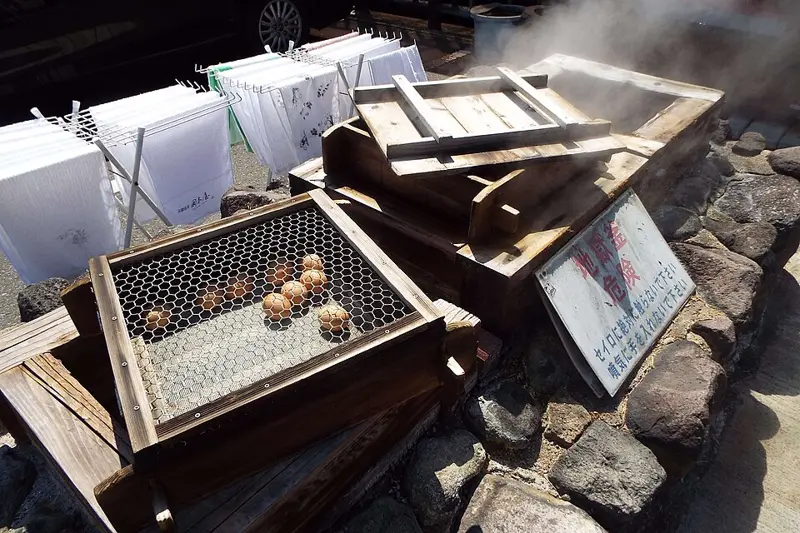
Seafood and vegetables steaming in a geothermal vent at Kannawa
04 · The table

Cooked in the ground

Oita eats things the rest of Japan does not: chicken as tempura, cold noodles with kimchi, and vegetables cooked in a hole in the ground by steam that comes out at a hundred degrees and tastes faintly of salt.

Read the story
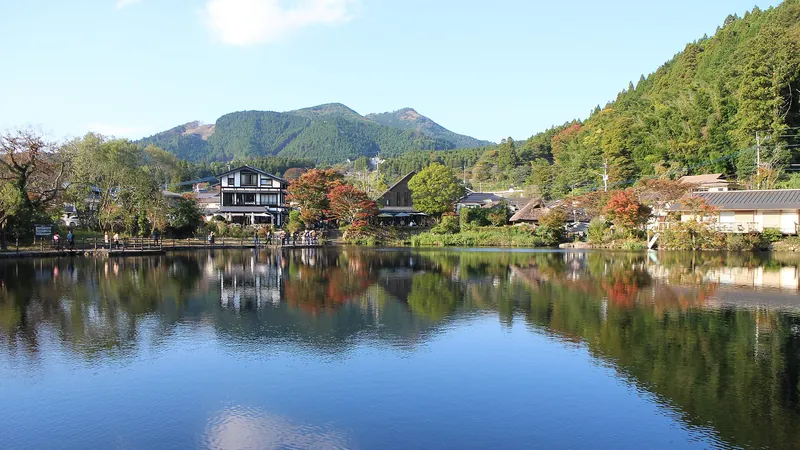
Morning mist on Lake Kinrin in Yufuin
05 · The choice

Beppu or Yufuin

Every ship calling here offers a Yufuin excursion, and Yufuin is genuinely lovely. It is also an hour each way, and it is the opposite of Beppu in every respect that matters. Choosing wrongly is the most common mistake made in this port.

Read the story
The year in Beppu

When to come, and what you'll find

Cruise seasons run spring to autumn, but the port changes underneath them.

MarchMild and quiet

Bathing weather without the cold. The hells steam more visibly in cool air.

AprilCherry blossom on Mount Takasaki

Comfortable everywhere, and the monkeys are active.

MayWarm and green

The best month for combining Beppu with Yufuin on a long call.

June–JulyRainy season

Kyushu rains hard. Bathing and steam-cooking are unaffected — this is a rain-proof port.

AugustHot and humid

A hot spring town in August is a hard sell. Go early, use the sand bath, drink reimen.

SeptemberTyphoon season

Kyushu is exposed. Check your itinerary rather than assuming.

OctoberThe best month

Warm days, cool evenings, and steam visible over the whole town at dawn.

NovemberAutumn colour and clear steam

Cold air makes the yukemuri — the steam plumes — dramatic. The signature view.

Dec–FebCool, and the point of the place

Kyushu winters are mild. This is when a hot bath makes the most sense.

Read the culture, then plan the clock: the Beppu day plans and the Top 10 turn all of this into a day that ends at the gangway with an hour to spare.