The two towns are an hour apart and they are opposites
Every ship calling here offers a Yufuin excursion, and Yufuin is genuinely lovely. It is also an hour each way, and it is the opposite of Beppu in every respect that matters. Choosing wrongly is the most common mistake made in this port.
They sit on either side of the same volcanic massif and share the same water source, and they have almost nothing else in common.
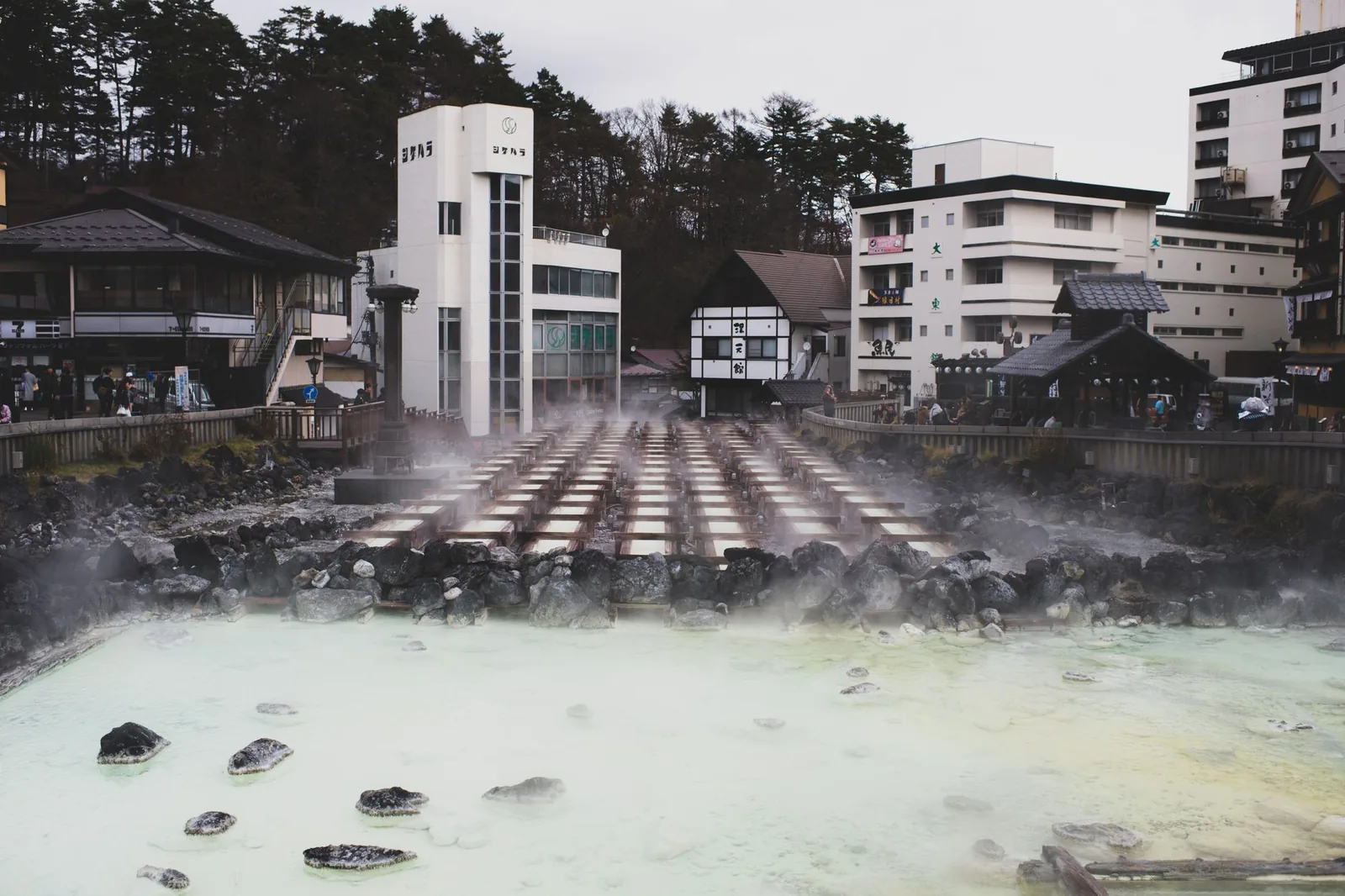
A working town of over a hundred thousand people that happens to be full of hot water. Steam comes out of drains. The bathhouses are sheds. It is not pretty in a curated way and it does not try to be. It is loud, unembarrassed, cheap, and it has been selling itself to Japanese tourists for a century.
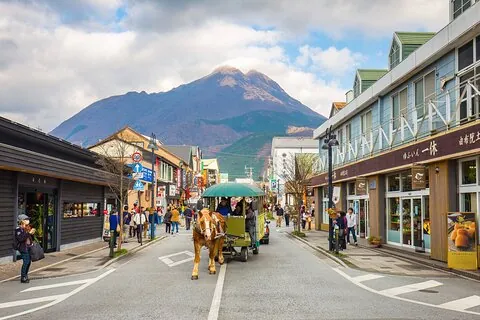
A village of a few thousand under Mount Yufu, an hour inland by bus or train. It has a lake, a main street of boutiques and cafés, high-end ryokan with private open-air baths, and a specific aesthetic that has been carefully maintained since local innkeepers organised in the 1970s to keep large hotels and neon out.
It is beautiful, it is expensive, and on a weekend the main street is extremely crowded — it has become a fixture of domestic and East Asian tourism.
Beppu is a town with hot springs in it. Yufuin is a hot spring with a town built around it. They are not substitutes.
Under six hours ashore: stay in Beppu. Yufuin is roughly an hour each way by bus or train, and a two-hour visit to a village you spent two hours reaching is not a good day.
Eight hours or more: Yufuin works, and it works best if you want scenery, shopping and a quiet soak rather than the geology. Go in the morning, be back for mid-afternoon.
If you want to bathe: Beppu, without hesitation. More water, more variety, and a ¥100 neighbourhood bath is a better story than a ¥2,000 day-use ryokan.
If you want photographs: Yufuin. The mountain behind the lake in the morning mist is the image, and Beppu has nothing like it.
Hells, buses, sand baths, no embarrassment
Keeping out large hotels and neon, deliberately
And extremely crowded at weekends
Choose by what you actually want, not by the brochure
Under six hours ashore, stay in Beppu. The excursion bus to Yufuin costs you the town you docked in.
Only on a call of eight hours or more. Yufuin is about an hour each way by bus or train, so on a shorter call you would spend two hours travelling to spend two hours in a village. If you want to bathe, Beppu has far more water and more variety; if you want scenery and boutiques, Yufuin is the better choice.
Beppu is a working town of over a hundred thousand people with steam coming out of the drains, cheap neighbourhood bathhouses and a century of unembarrassed tourism. Yufuin is a village of a few thousand under Mount Yufu with boutiques, cafés and expensive ryokan, deliberately kept low-rise since the 1970s. They are not substitutes for each other.
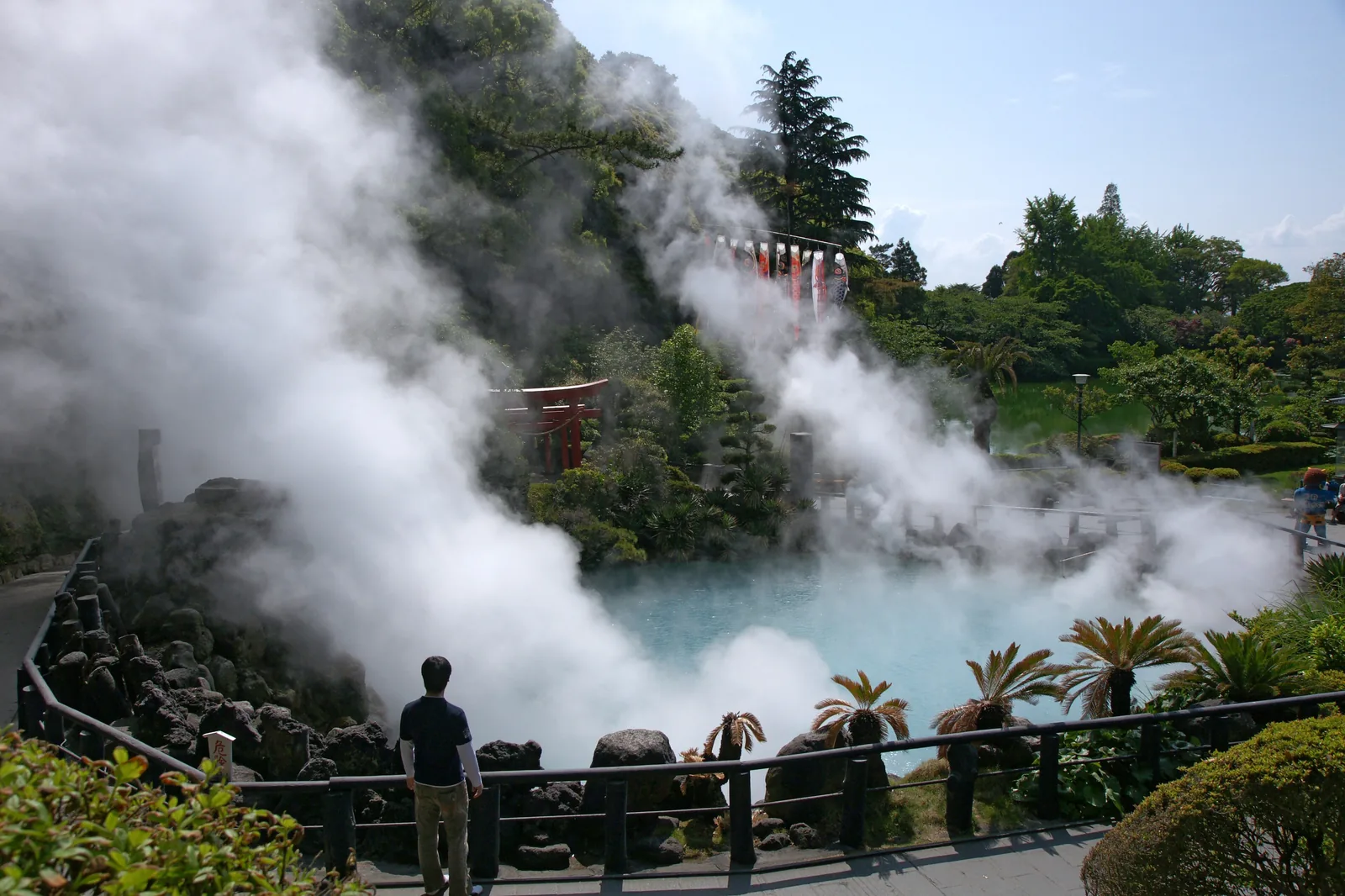
More hot water comes out of this town than anywhere in Japan, and second place is not close
Read →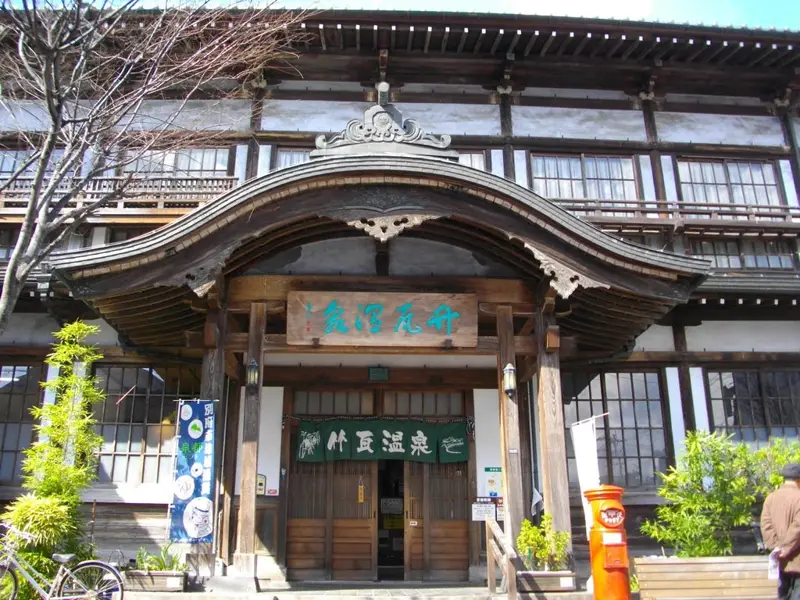
Eight distinct spring towns, one of which is a shed with a locked door and an honesty box
Read →
The showman who invented Japanese tourism, and got a hell painted for it
Read →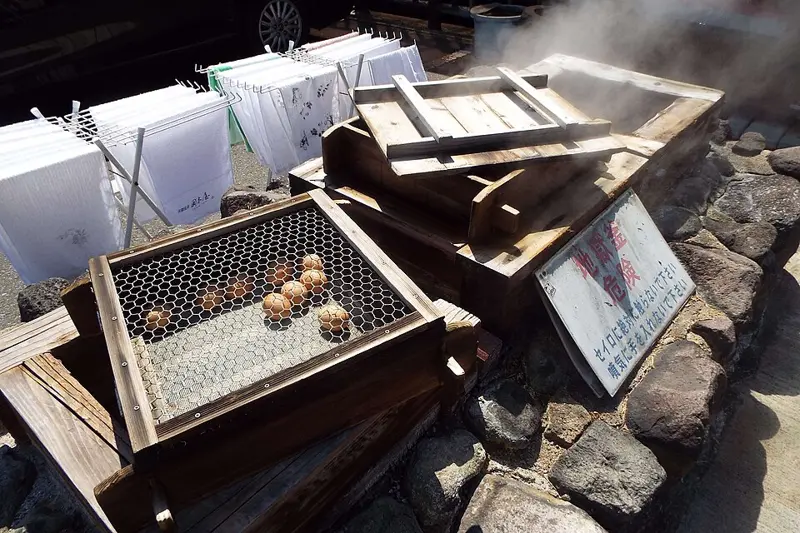
Steam, chicken tempura, and cold noodles in a hot bowl
Read →No typing needed — jump straight in:
Just docked? — the gangway toolStart from your shipThe ride from every berthAsk the editorGlossary