The showman who invented Japanese tourism, and got a hell painted for it
Beppu had hot water for a thousand years and was a minor bathing village. Then one man arrived in 1911, decided this town should be famous, and invented most of the techniques Japanese tourism still uses — including the bus tour with a singing guide.
Aburaya Kumahachi made and lost a fortune in rice speculation, spent time in America, and arrived in Beppu at around fifty with a conviction that the town could be sold to the whole country.
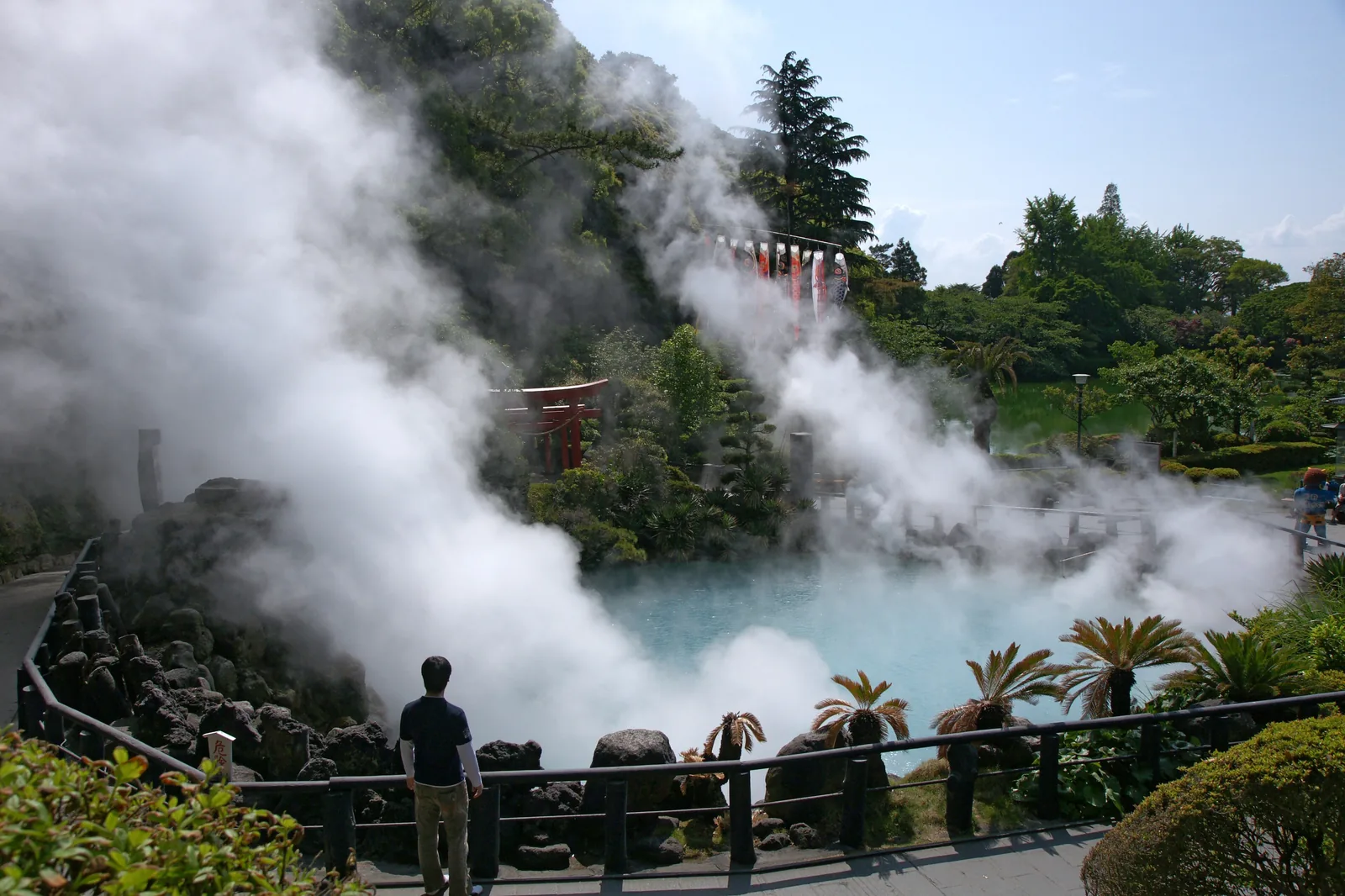
He built an inn. Then he did something nobody in Japan was doing: he marketed a place. He organised the hells into a paid circuit with names and stories. He hired boats and then buses. He put women guides who sang on the buses — a format that became standard across Japan and lasted most of a century.
He is credited with introducing the sand bath as an attraction rather than a local habit, and with pushing for the harbour improvements that let steamers dock. He advertised nationally, in an era when towns did not advertise.
He also had "Beppu" painted on the surface of a hell and, by one account, released steam-heated souvenirs and stunts with the enthusiasm of a man who had studied American showmanship and was not embarrassed by it.
Kumahachi is associated with the enormous characters spelled out on Mount Takasaki and with the monkey park there, and with the idea that a town could have a logo before the word existed.
Whether every story about him is exactly true is a separate question — he was a self-promoter and the stories are part of the promotion. But the shape of Japanese domestic tourism, the bus tour with commentary, the packaged circuit of named sights, the town that advertises itself, is substantially his.
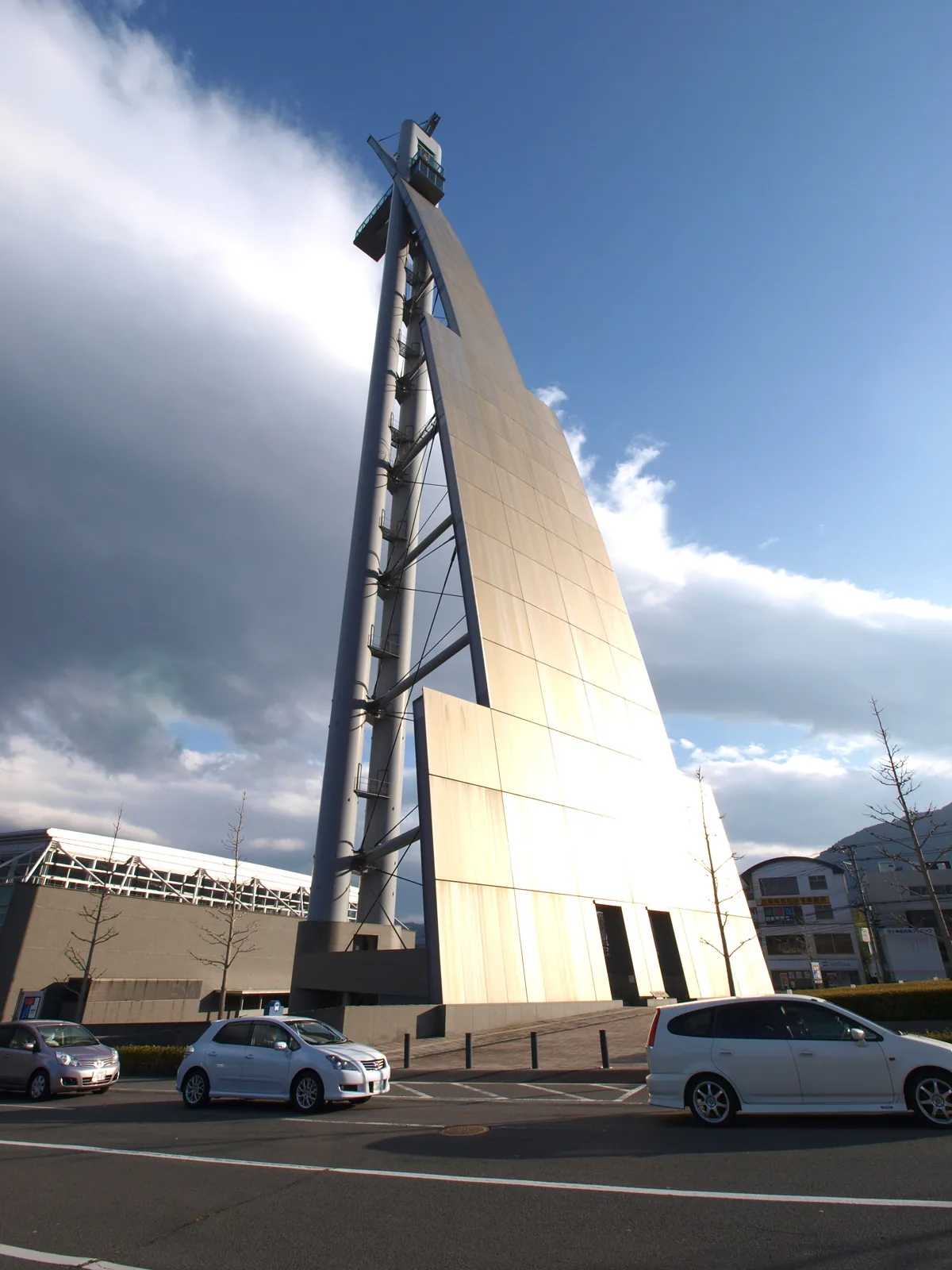
The hells circuit is his. The sand bath as something visitors do is his. The bus tours are his. And Beppu's slightly unembarrassed, slightly kitsch confidence — the town has a monkey mountain, an aquarium, a tower and a hell called Blood Pond, and offers all of them without irony — is entirely his.
Rice speculation, then bankruptcy, then America
And decides the town should be nationally famous
Named, ticketed, and narrated
A format that spreads across Japan for a century
The circuit, the sand bath, and the lack of embarrassment
Take the hells circuit knowing it is a hundred-year-old marketing invention. It is better that way, not worse.
A businessman who settled in Beppu around 1911 and effectively invented Japanese destination marketing. He organised the hot springs into the named, ticketed "hells" circuit, introduced sand bathing as a visitor attraction, launched bus tours with singing female guides — a format that spread nationwide — and advertised the town across Japan when towns did not advertise.
Because it was designed to be, more than a century ago. The hell circuit, the bus tours, the packaged sights and the town's cheerful lack of irony all descend from Aburaya Kumahachi's campaign from 1911 onward. Knowing that makes the place more interesting rather than less.
More hot water comes out of this town than anywhere in Japan, and second place is not close
Read →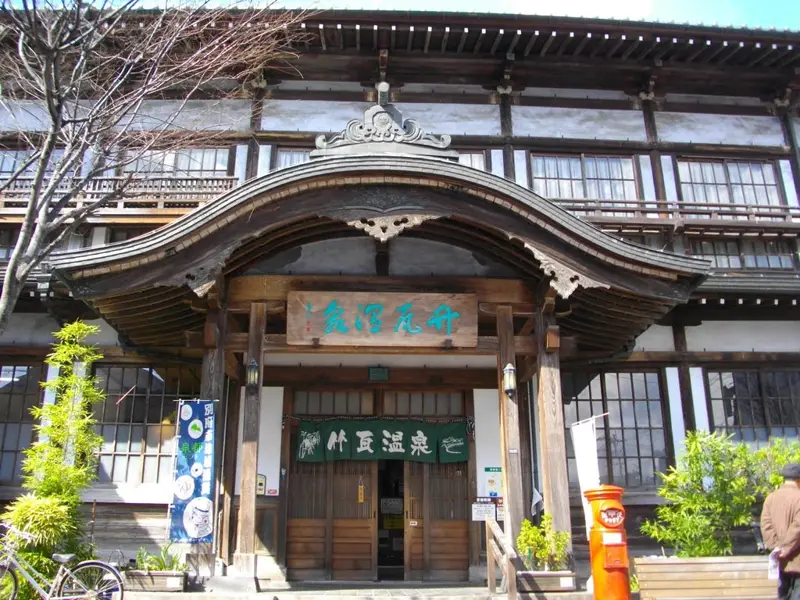
Eight distinct spring towns, one of which is a shed with a locked door and an honesty box
Read →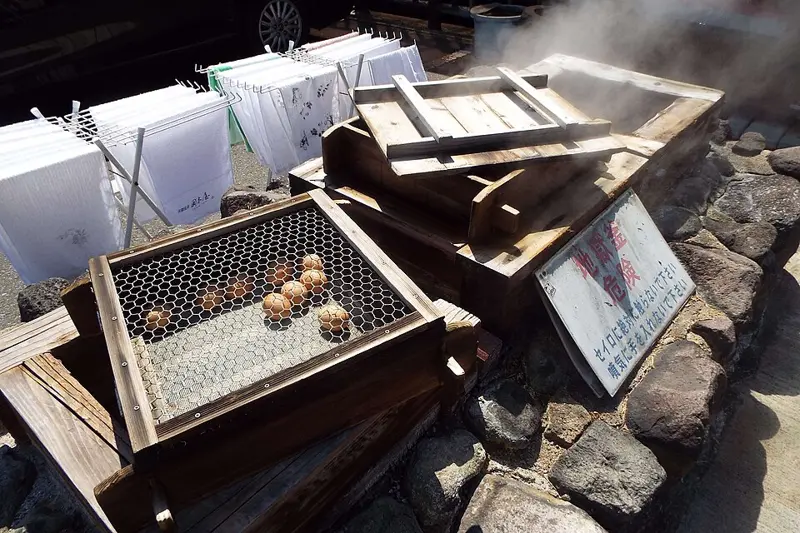
Steam, chicken tempura, and cold noodles in a hot bowl
Read →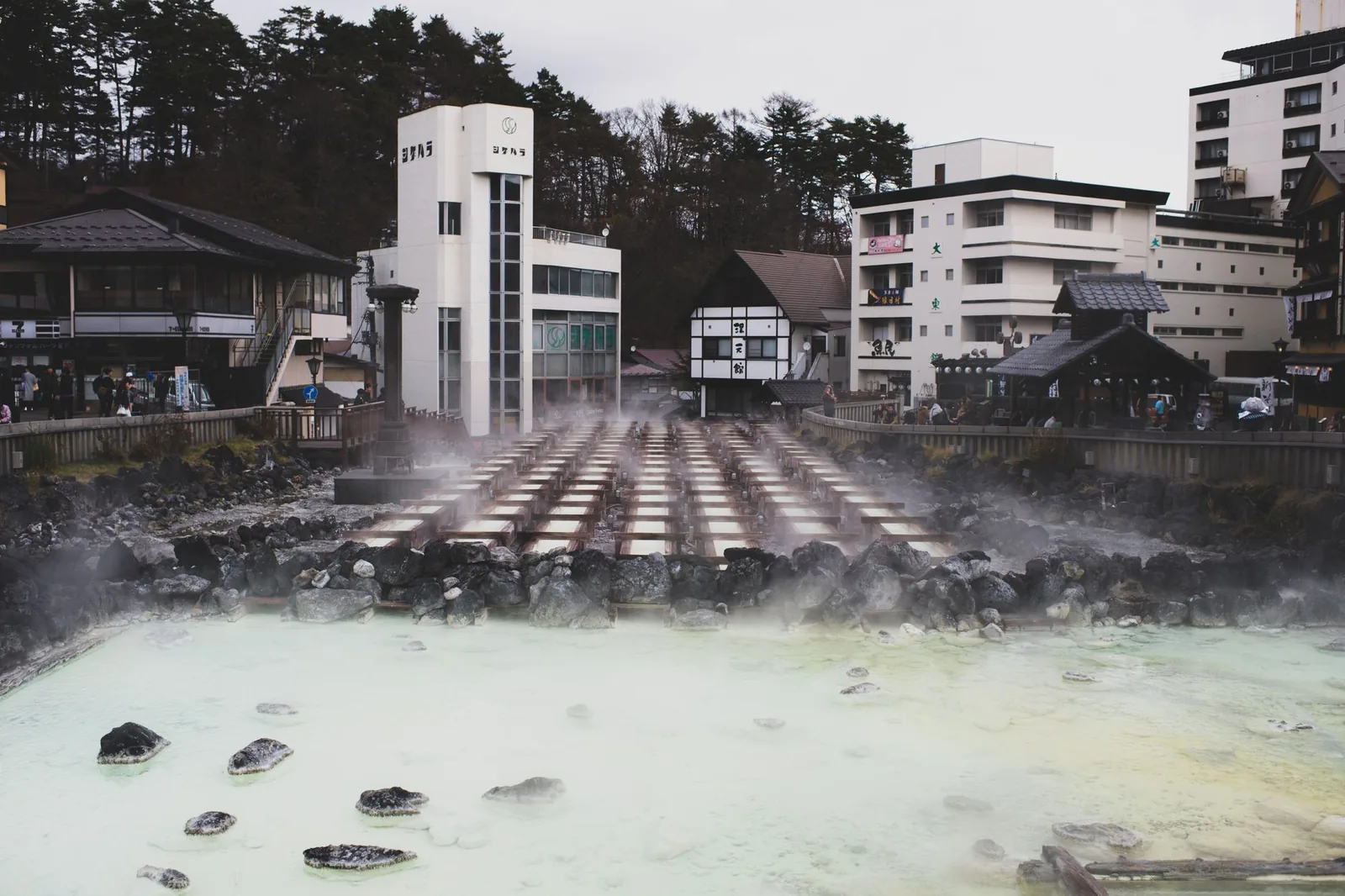
The two towns are an hour apart and they are opposites
Read →No typing needed — jump straight in:
Just docked? — the gangway toolStart from your shipThe ride from every berthAsk the editorGlossary