01 · The mountains
Tateyama
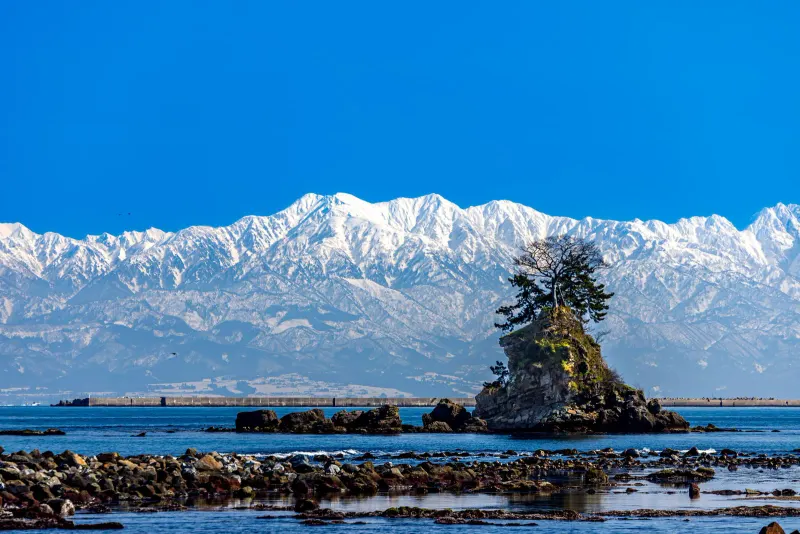
For a thousand years people believed hell was up there, in the steaming valley behind the peaks. Then a road went through it, and the view from the beach has not changed at all.
Read the story →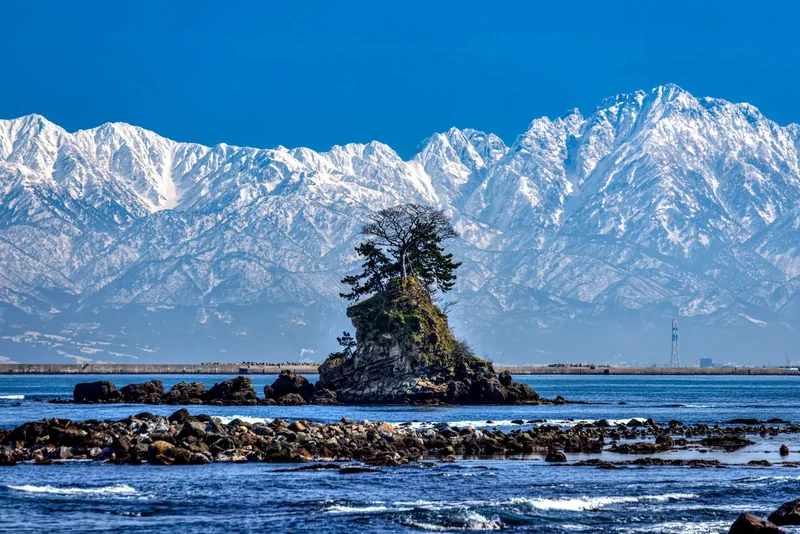
Home / Ports / Fushiki–Toyama / Culture
Culture & history · Fushiki–ToyamaThe things that happened here and only here, told properly, then tied to what you can see, taste and book while your ship waits.
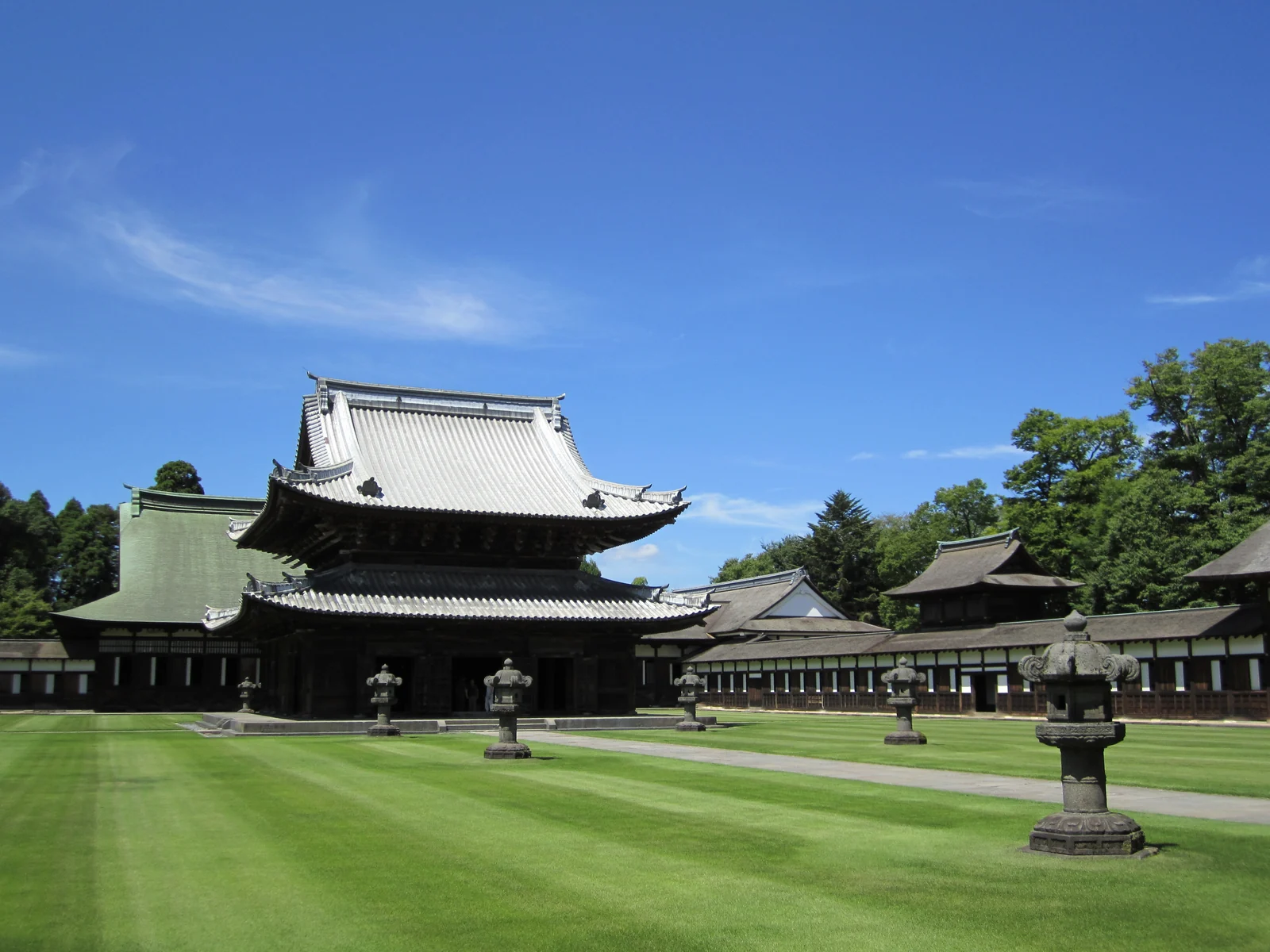
Fushiki–Toyama is three ports in one bay: the cargo wharf at Fushiki where the big ships dock, the small-ship berth at Shinminato beside a 1930 sailing ship, and Toyama city 25 km away. Takaoka, the town behind the wharf, was founded by the Maeda lords in 1609 and still casts bronze; its temple Zuiryuji is a National Treasure. Across the water stand the 3,000-metre Tateyama peaks, the reason the ships come, visible only when the weather allows.
For a thousand years people believed hell was up there, in the steaming valley behind the peaks. Then a road went through it, and the view from the beach has not changed at all.
Read the story →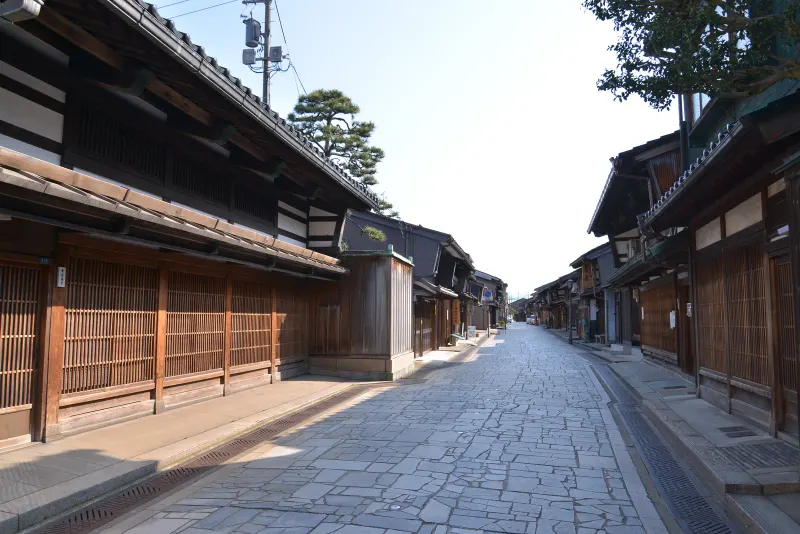
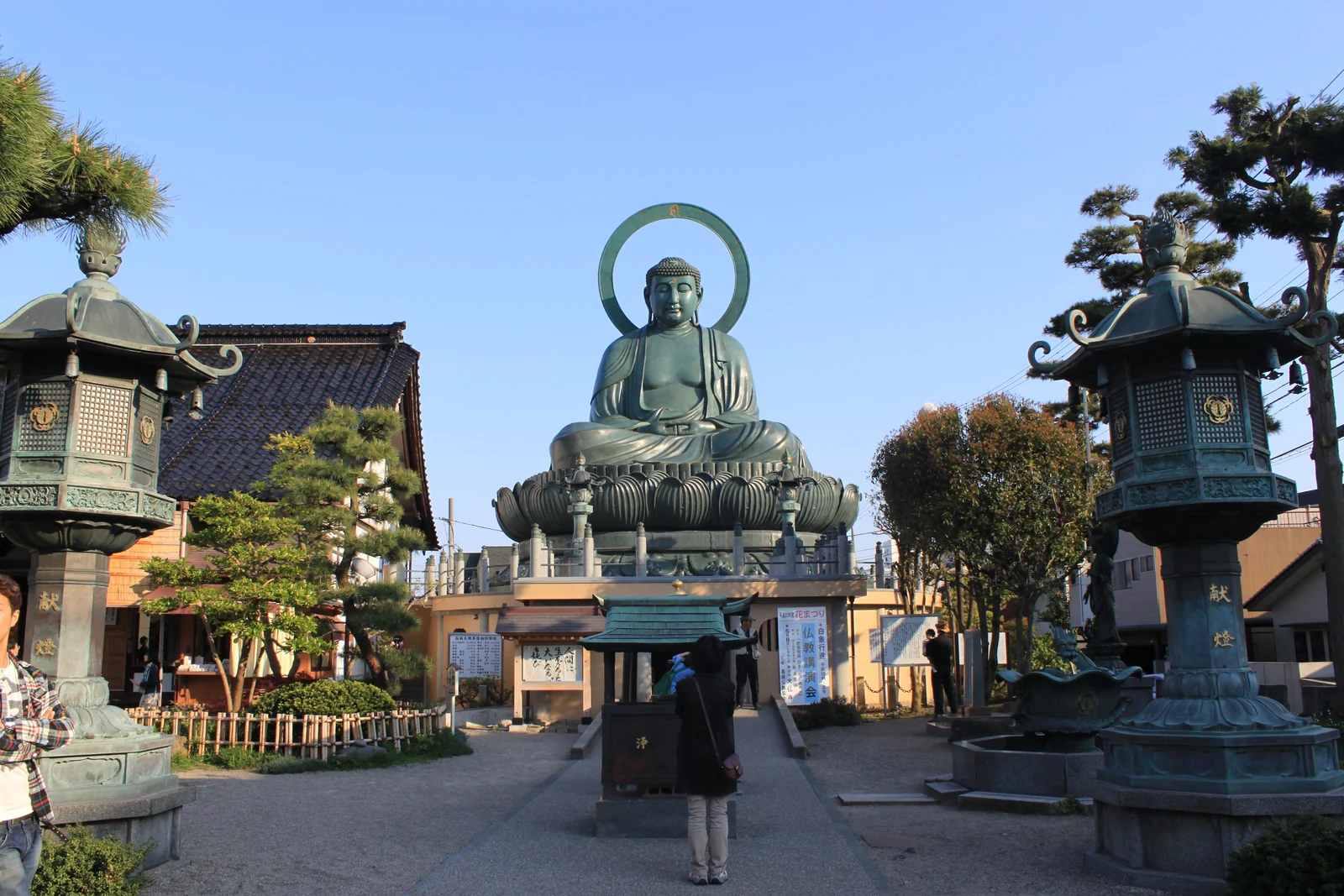
In 1611 a lord gave seven metalworkers a plot of land and a tax break. The town they founded now casts most of the bronze statues in Japan, and a basket you can bend with your hands.
Read the story →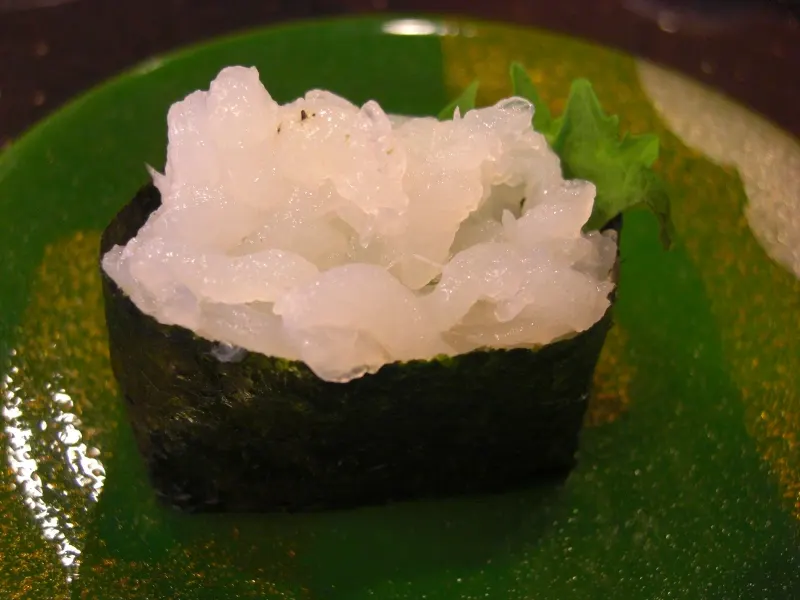
The sea floor drops to a thousand metres within sight of the shore. That one fact explains a glowing squid, a translucent shrimp caught nowhere else, and a yellowtail with its own annual press announcement.
Read the story →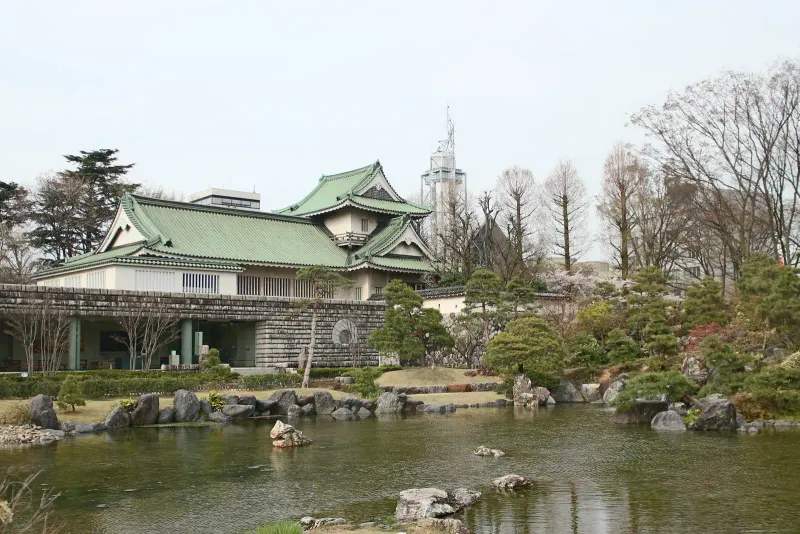
A lord cured a stomach ache in Edo Castle in 1690, and the other lords asked where they could get some. Three centuries later the answer is still Toyama.
Read the story →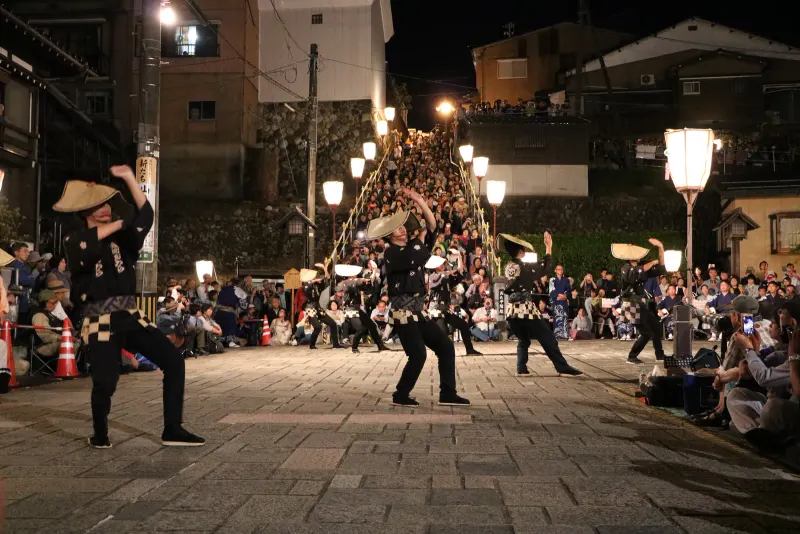
On the 210th day of the year, when the typhoons come, a hill town dances all night under straw hats. The fiddle sounds like grief. Nobody shouts. That is the point.
Read the story →Cruise seasons run spring to autumn, but the port changes underneath them.
The Namerikawa fishery opens on 1 March; the museum’s live light show runs from 20 March. Cherry first bloom normal 3 April.
Full bloom normal 8 April; Matsukawa boats under the trees. The Tateyama Alpine Route opens in mid-April, too late for early-April calls.
Tonami Tulip Fair runs to 5 May; Takaoka Mikurumayama parades on 1 May every year.
Shiroebi season; June is the rainy month and July–August the warm, wet ones. Mountains hide on most days.
Three nights of silent dancing in Yatsuo. Also the peak typhoon month on this coast.
Thirteen floats on 1 October; autumn cruise calls; the clearest mountain mornings of the season begin.
Snow crab from November to March; Himi’s winter yellowtail is declared in season when the storms start. Maples turn around 25 November.
About 2.5 m of snowfall a year on the coast and the sharpest Tateyama views. Not a cruise season.