Eight-fifteen, and the building that stayed up
Almost directly beneath the detonation, one building kept its walls — because the blast came straight down on it rather than across. That accident of geometry is why you can stand in front of it today.
At 8:15 on the morning of 6 August 1945, a uranium bomb detonated about 600 metres above the centre of Hiroshima. Estimates of the dead by the end of that year run to roughly 140,000, from a city of around 350,000.
Hiroshima sits on a flat river delta with no hills to contain anything. That is a large part of why the destruction was so complete, and why the city you walk through today is almost entirely younger than your grandparents.
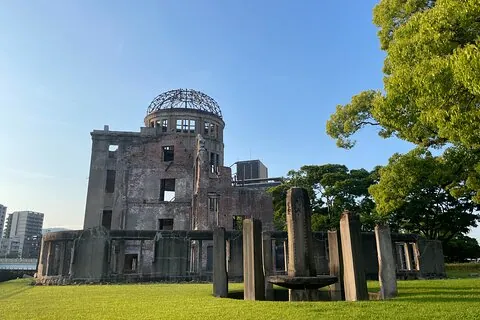
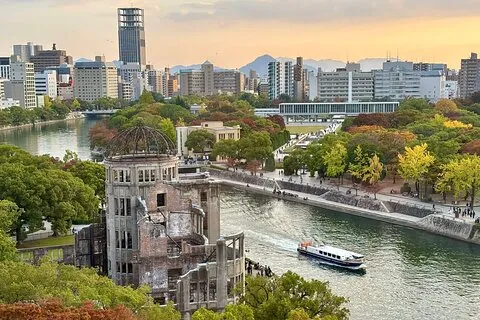
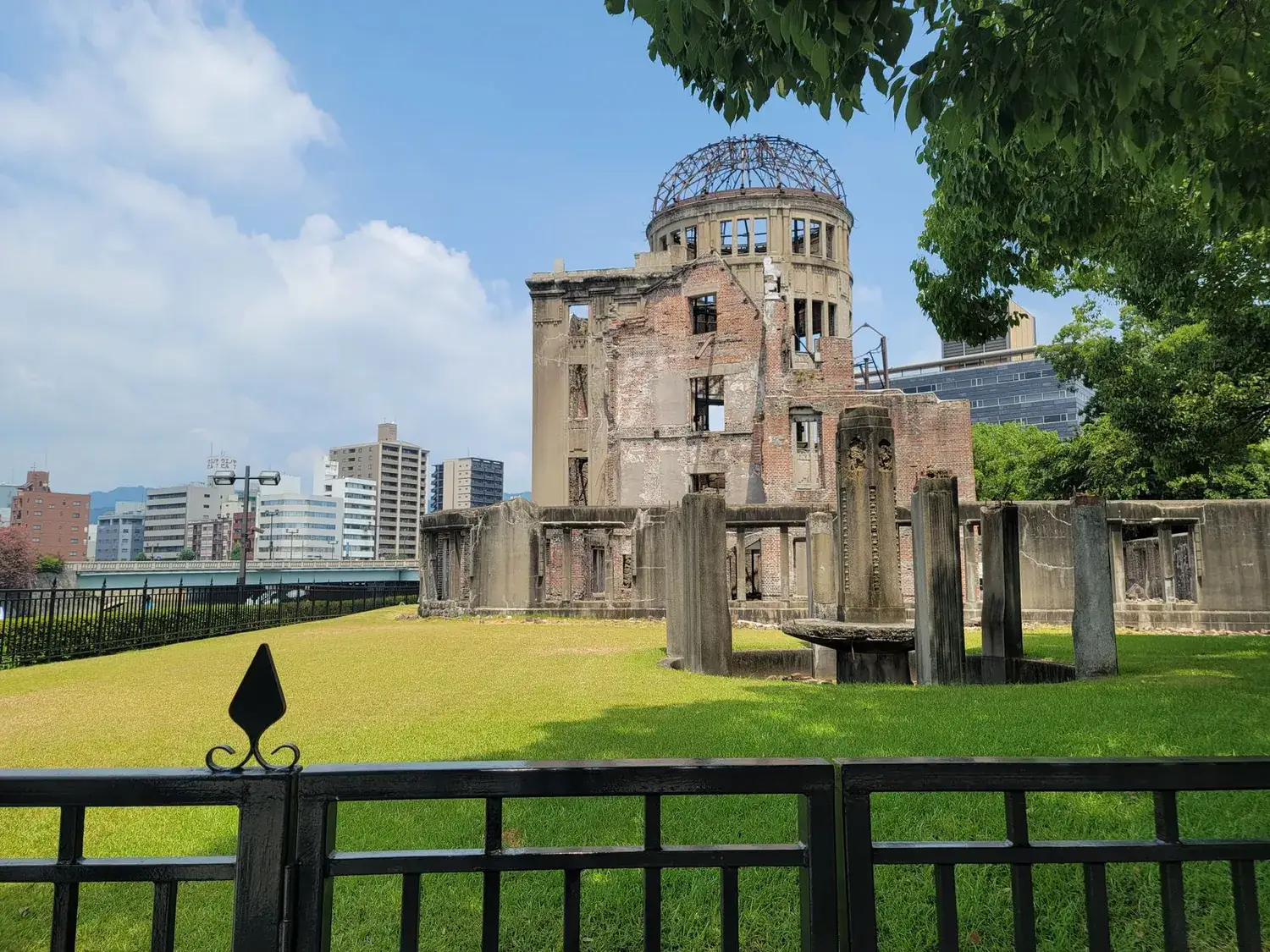
The building now called the Genbaku Dome was the Hiroshima Prefectural Industrial Promotion Hall, finished in 1915 to a design by the Czech architect Jan Letzel. It was almost directly under the burst — the hypocentre was about 150 metres away — and that is precisely why parts of it survived: the pressure came down vertically through the structure rather than sideways into it. Everyone inside was killed instantly.
The city argued for decades about whether to demolish it. Preservation was decided in 1966, and UNESCO inscribed it in 1996.
Some survivors wanted it gone because they could not bear to look at it. Others wanted it kept for exactly the same reason. The skeleton you see has been quietly reinforced several times since, but nothing has been rebuilt — the ruin is maintained as a ruin, deliberately.
The Peace Memorial Park was designed by Kenzo Tange — Japan's greatest modern architect, then in his early forties — and it is a work of architecture with an argument. The museum, the cenotaph and the Dome sit on a single axis: stand at the cenotaph and the arch frames the eternal flame, and behind it, the Dome. Everything points at the thing itself.
The Flame of Peace has burned since 1964 and is intended to be extinguished only when the last nuclear weapon on earth is gone. The cenotaph's inscription — "Rest in peace, for the error shall not be repeated" — is deliberately without a subject in Japanese, and that grammatical absence has itself been argued over for seventy years.
Sadako Sasaki was two years old and about 1.6 km from the hypocentre. She developed leukaemia at eleven and folded paper cranes in hospital, following the belief that a thousand would grant a wish. She died in 1955. Her classmates campaigned for a memorial, and the Children's Peace Monument was unveiled in 1958.
Around it are glass cases holding paper cranes sent from schools all over the world — millions each year. That is the part that undoes most visitors, more than the museum does.
The museum was renewed in 2019 and the main exhibition now leads with the human consequences before the technical history. It is not gratuitous, but it is not softened either. Give it two unhurried hours.
Designed by the Czech architect Jan Letzel
About 600 m above the city; ~140,000 dead by the end of the year
Tange's museum is completed the same year
Campaigned for by Sadako's classmates
To burn until the last nuclear weapon is gone
After twenty years of argument about demolishing it
The Genbaku Dome, kept as a ruin, permanently
The main exhibition now leads with people, not physics
Tram or taxi from Ujina takes about 40 minutes. Two hours in the museum, an hour in the park — then okonomiyaki, which is what the city itself would tell you.
Because it stood almost directly beneath the detonation, about 150 metres from the hypocentre. The blast pressure came down through the building vertically rather than striking it from the side, so parts of the walls and the steel dome frame remained upright. Everyone inside was killed instantly.
Two unhurried hours for the museum, plus about an hour for the cenotaph, the Children's Peace Monument and the Dome across the river. Add roughly 40 minutes each way from the Ujina cruise berth by tram or taxi.
The memorial is. The city is not — it is lively, food-obsessed and fiercely proud of itself, and people eat okonomiyaki three streets from the cenotaph. Visiting the museum and then enjoying the city is not disrespectful; locals would say it is precisely the point.
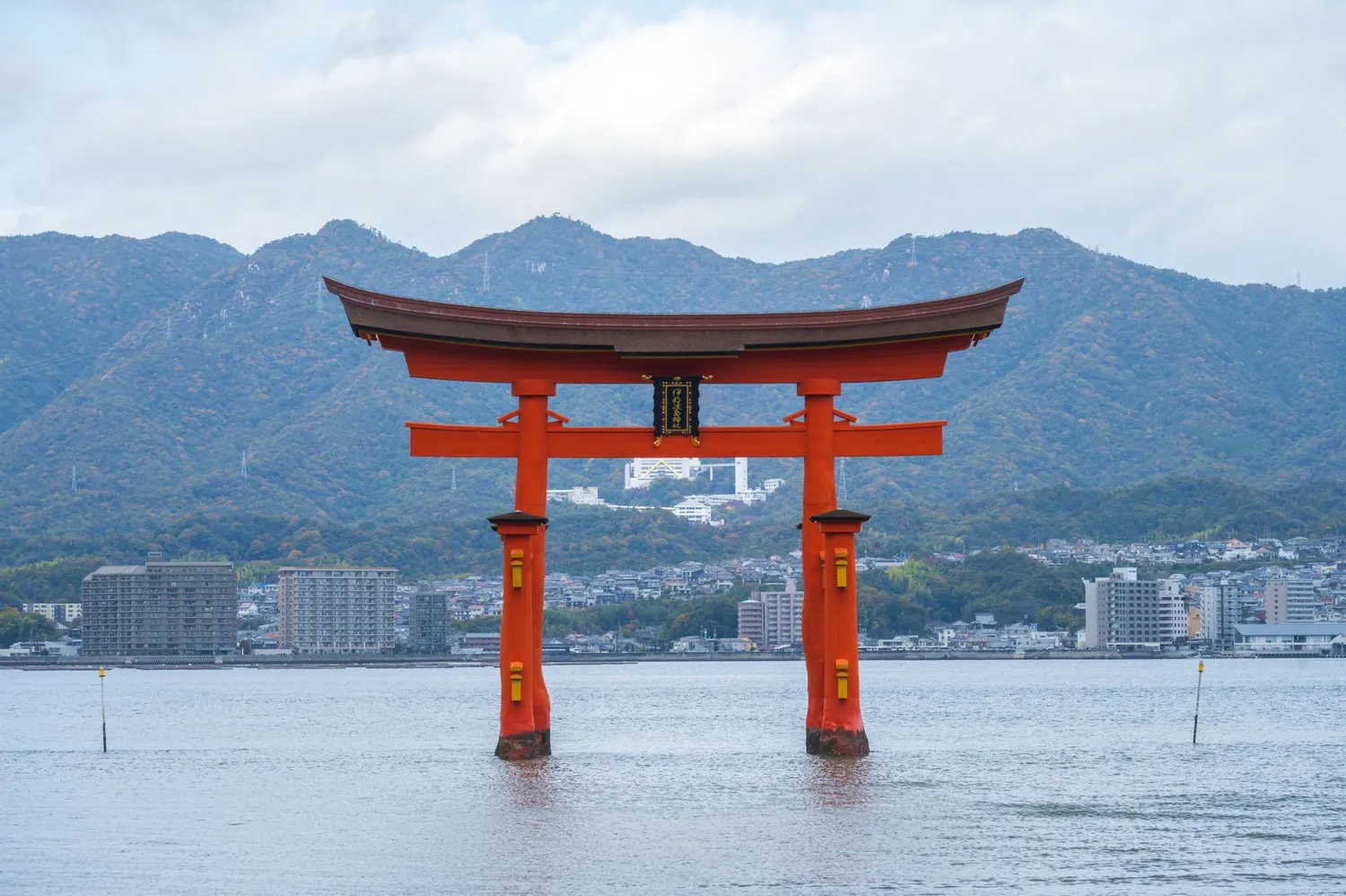
A shrine built over water because the ground was too sacred to stand on
Read →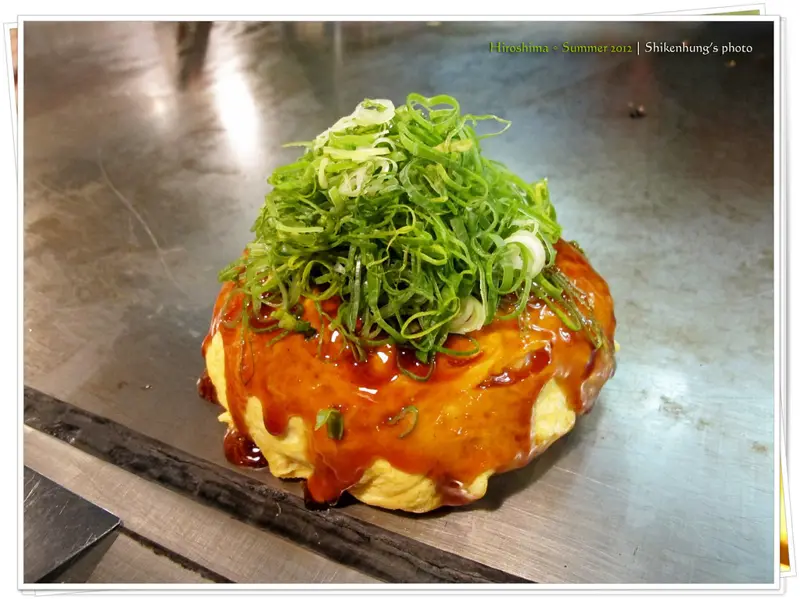
How a city rebuilt itself around a hotplate
Read →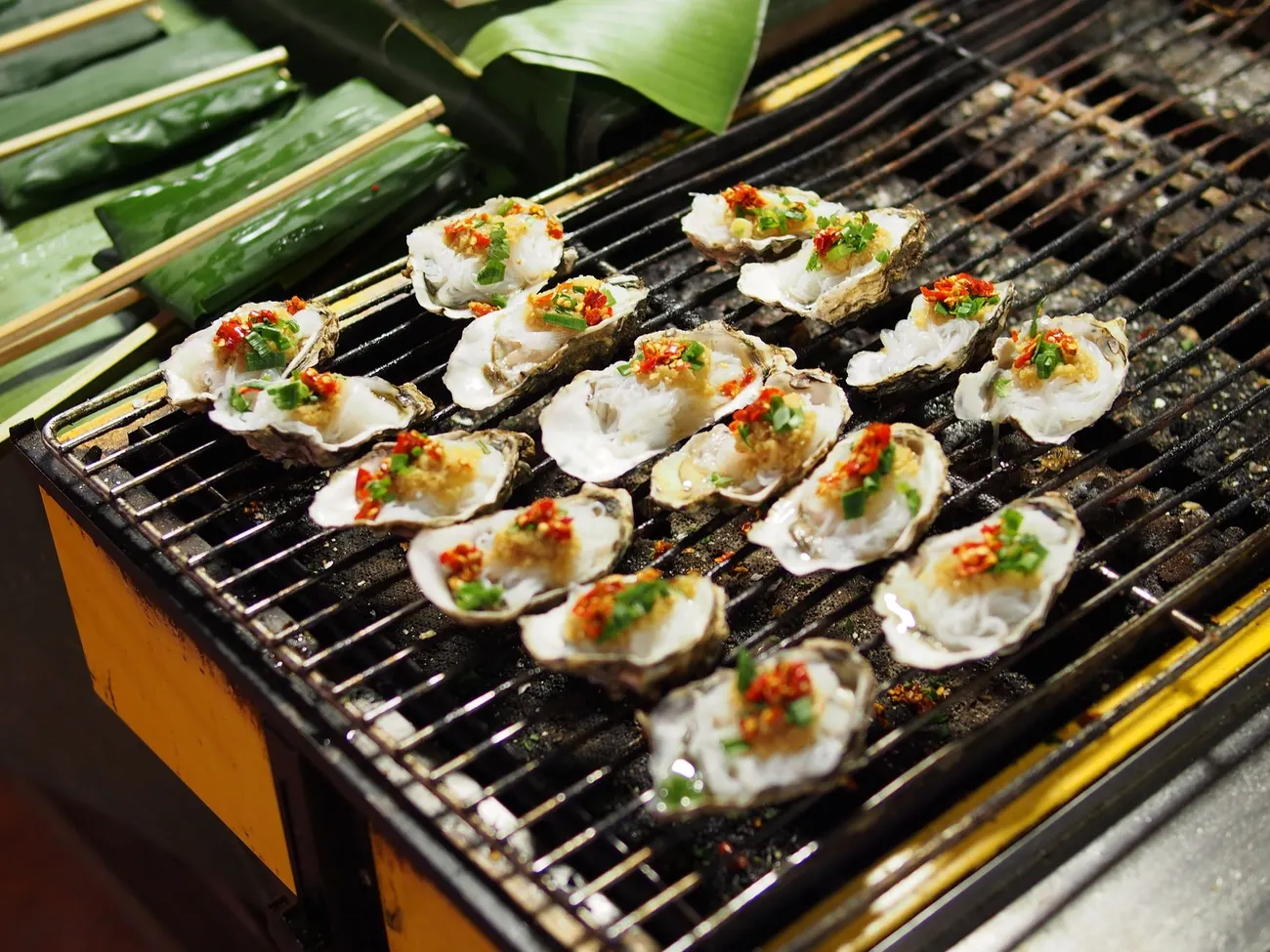
Three thousand islands, no waves, and most of Japan's oysters
Read →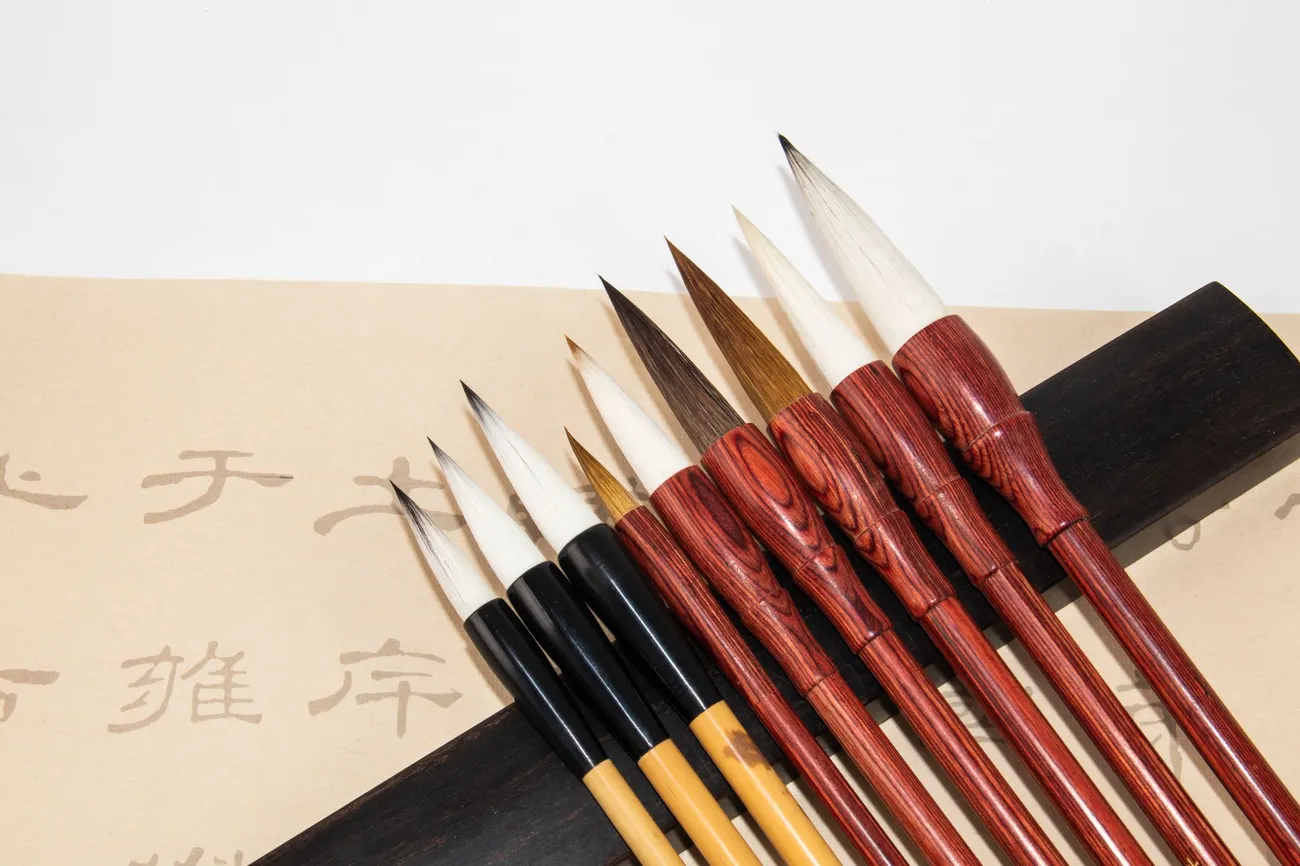
A farming town that supplies the world's make-up bags
Read →No typing needed — jump straight in:
Just docked? — the gangway toolStart from your shipThe ride from every berthAsk the editorGlossary