01 · The morning
August 6, 1945
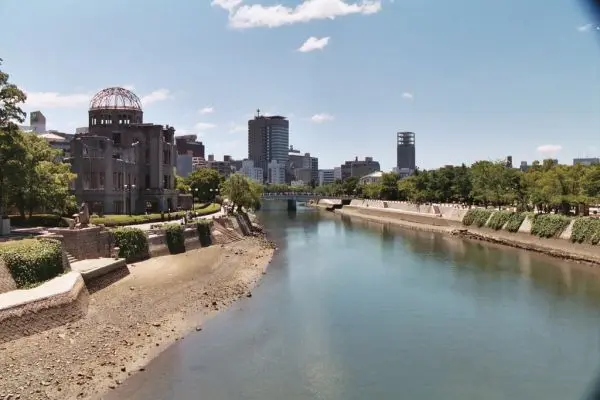
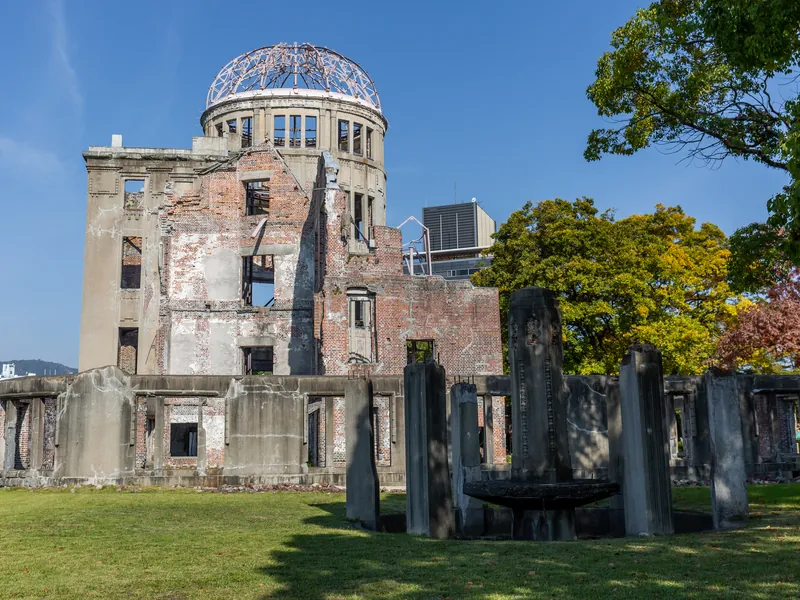
Almost directly beneath the detonation, one building kept its walls — because the blast came straight down on it rather than across. That accident of geometry is why you can stand in front of it today.
Read the story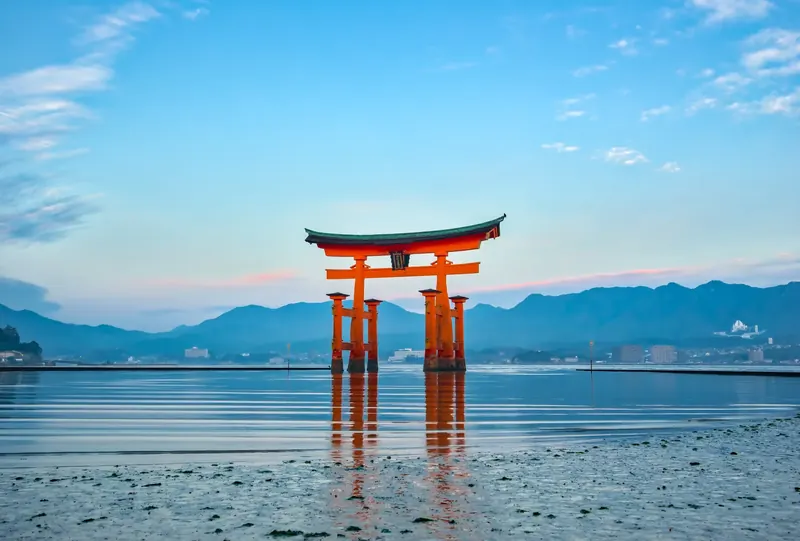 Photo: Adobe Stock / Licensed
Checked against official sources · updated · Takumi Yamada
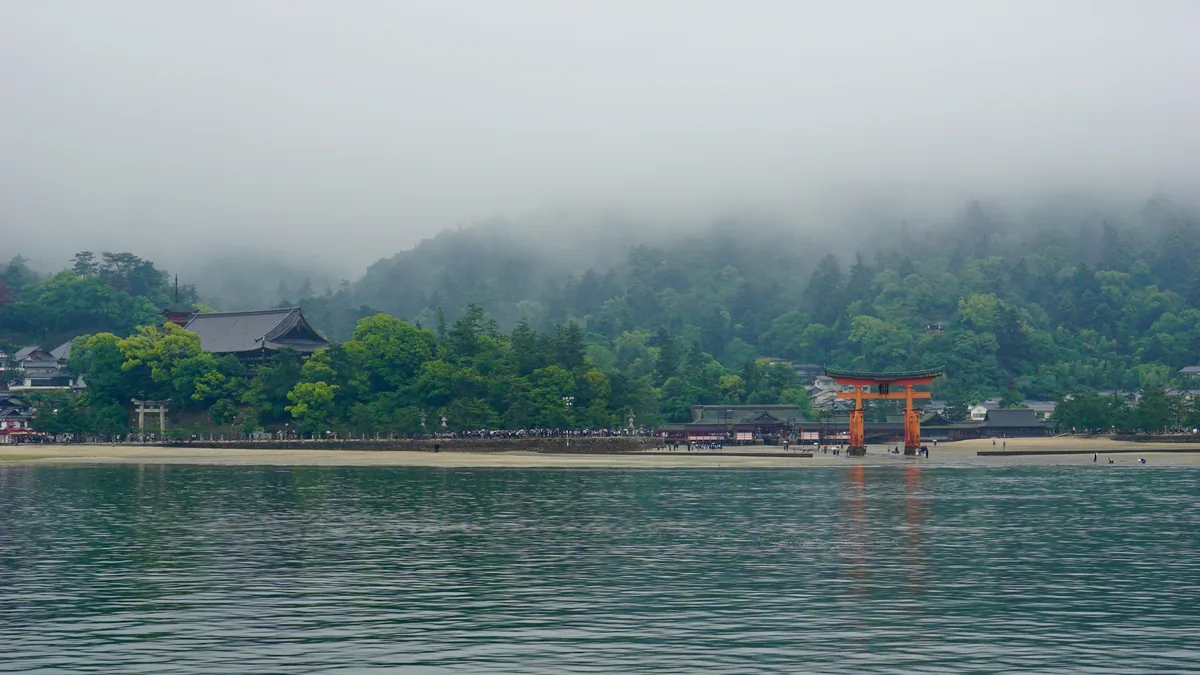
Hiroshima is a rebuilt city on the Seto Inland Sea, known to the world for 6 August 1945 and at home for oysters and okonomiyaki. People come for two sights in opposite directions: the Peace Memorial Park, where the A-Bomb Dome still stands, and Miyajima, whose great torii stands in the sea. Most ships tie up at Ujina, about 35 minutes by tram from the park, where the museum alone takes most visitors two hours.
Almost directly beneath the detonation, one building kept its walls — because the blast came straight down on it rather than across. That accident of geometry is why you can stand in front of it today.
Read the story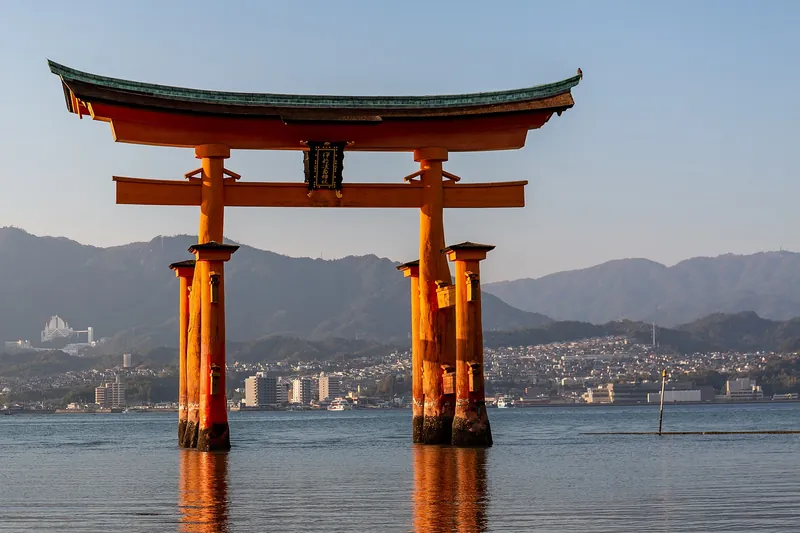
The gate stands in the sea and the shrine floats on stilts for one reason: the island itself was the deity, and no commoner was permitted to set foot on it. So they built the approach on the water instead.
Read the story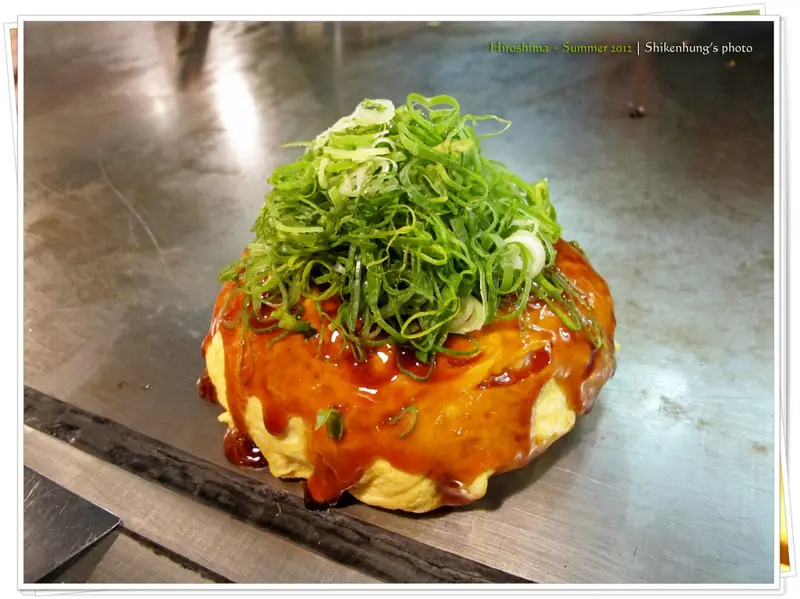
Osaka mixes it. Hiroshima layers it — cabbage piled absurdly high on a paper-thin crêpe, pressed down as it cooks, with a nest of noodles underneath. The difference started as poverty and became an identity.
Read the story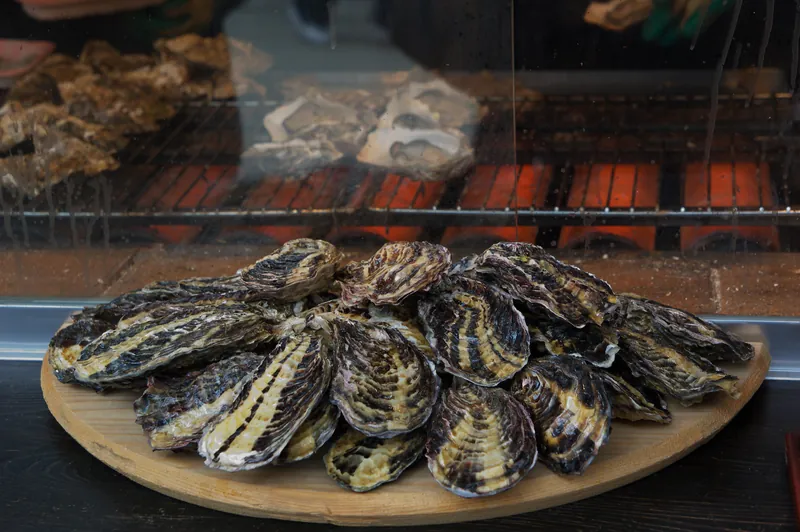
The Seto Inland Sea is the reason. Enclosed, shallow, fed by rivers off the mountains and barely troubled by swell — the perfect nursery. Hiroshima has been farming oysters in it since the 1500s and now grows most of the country's supply.
Read the story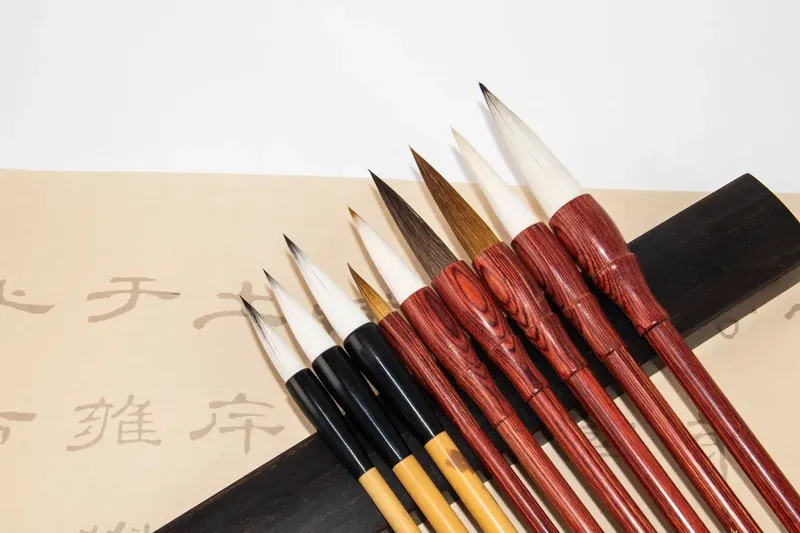
Twenty minutes from Hiroshima, a town of 24,000 makes about 80% of Japan's brushes — and the make-up brushes in luxury counters from Paris to New York are very often made here, by hand, by people whose grandparents made writing brushes for schoolchildren.
Read the storyCruise seasons run spring to autumn, but the port changes underneath them.
Comfortable walking before the humidity; the rivers look their best.
The Peace Park and castle moat both line with blossom.
Ideal Miyajima weather; the ferry crossing is at its prettiest.
The museum is indoors and the island forgives rain better than most places.
Start early; Miyajima's shopping street offers shade the shrine does not.
The city gathers at 8:15. Lanterns float down the rivers that evening.
Ferries pause occasionally; the Peace Park runs regardless.
Cool, clear, and Miyajima's maples begin to turn.
Peak foliage on Misen, and oyster season opens. The double peak.
Cold, quiet, and the single best time to eat here.