A farming town that supplies the world's make-up bags
Twenty minutes from Hiroshima, a town of 24,000 makes about 80% of Japan's brushes — and the make-up brushes in luxury counters from Paris to New York are very often made here, by hand, by people whose grandparents made writing brushes for schoolchildren.
In the early 1800s the farmers of Kumano, a valley town in the hills behind Hiroshima, had a problem common to poor agricultural districts: nothing to do and no income in the off-season. They took to travelling to Nara and Osaka to sell goods, and came back carrying writing brushes to trade.
By the 1830s the domain was actively encouraging them to make the brushes themselves rather than merely sell them. Craftsmen were brought in to teach. When Japan made schooling compulsory in the Meiji era and every child needed a calligraphy brush, Kumano was already the place that made them.
Today the town produces roughly 80% of Japan's brushes — writing, painting and cosmetic — and holds a nationally designated traditional-craft status for them.
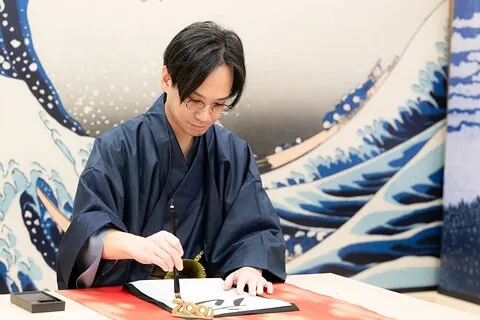
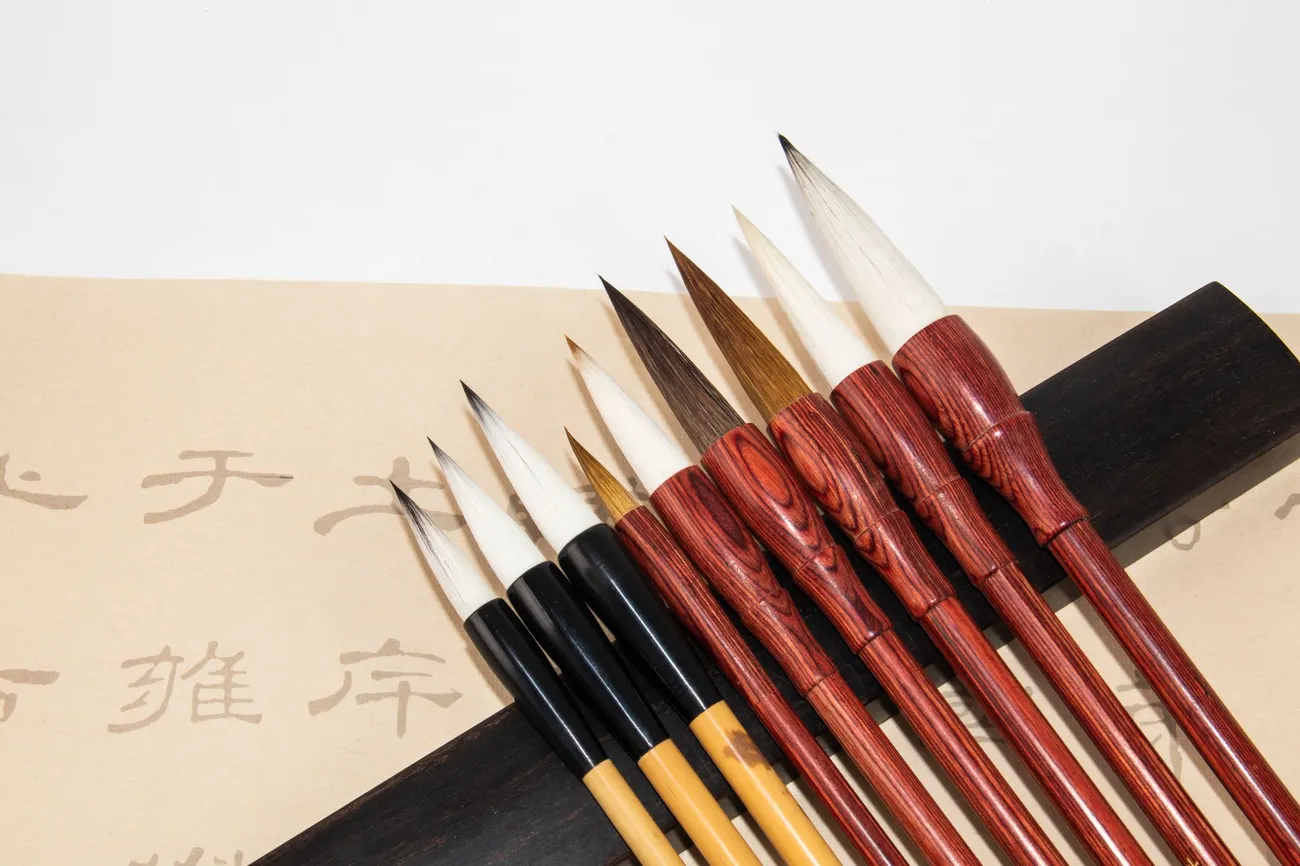
A Kumano fude is made from animal hair that is never cut at the tip. The natural taper of each hair is preserved and the bundle is graded, blended and assembled so the point forms itself. That is the whole difference. A brush whose bristles have been trimmed to a shape has cut ends — microscopically blunt — and on skin they feel scratchy and pick up too much pigment.
Sorting the hair is done by hand, by feel, in stages the makers do not fully write down. A senior craftsman can hold a bundle and tell you what it will do. The town certifies its own masters — the title is dentō kōgeishi, traditional craftsman — and there are not many of them.
The cosmetic side began in the 1970s when the writing-brush market started shrinking and makers looked for a use for the same skill. It stayed a quiet industry supplying international cosmetic houses under their own names.
Then in 2011, when the Japanese women's football team won the World Cup, the government awarded each player the People's Honour Award — and gave them Kumano make-up brushes. The story went around the world, and the town has been busy since.
You do not need to go to Kumano — the good department stores and craft shops in Hiroshima carry them, and Hondori has specialists. Expect to pay from around ¥3,000 for a single decent cosmetic brush and considerably more for a set or a fine calligraphy brush.
It is, I think, the best souvenir this port sells: small, light, unbreakable, made twenty minutes away by hand, and something the recipient will use every morning for a decade.
Travelling to Nara and Osaka and returning with stock
Craftsmen brought in to teach the valley
Every child needs a calligraphy brush; Kumano already makes them
The same untrimmed-tip technique, applied to make-up
Kumano fude enters the official register
Japan's champion footballers are given Kumano brushes; the town goes global
You do not need to travel to Kumano — Hondori's specialists and the department stores carry the good ones, and they pack flat.
The hair is never cut at the tip. Each strand keeps its natural taper, and the bundle is graded and blended by hand so the point forms itself — which is why a Kumano brush feels soft rather than scratchy and picks up pigment evenly. Brushes trimmed to shape have blunt cut ends by comparison.
You do not need to visit Kumano itself. Specialist shops along the Hondori arcade and the city's department stores carry certified brushes, from around ¥3,000 for a single good cosmetic brush. They pack flat, weigh nothing and survive a suitcase — the best souvenir this port sells.
Kumano's farmers began trading writing brushes in the agricultural off-season in the early 1800s, and the domain encouraged them to make their own from the 1830s. When the writing-brush market shrank in the 1970s, makers applied the same untrimmed-tip technique to cosmetics — and in 2011 Japan's World Cup-winning footballers were awarded Kumano brushes, which made the town internationally known.
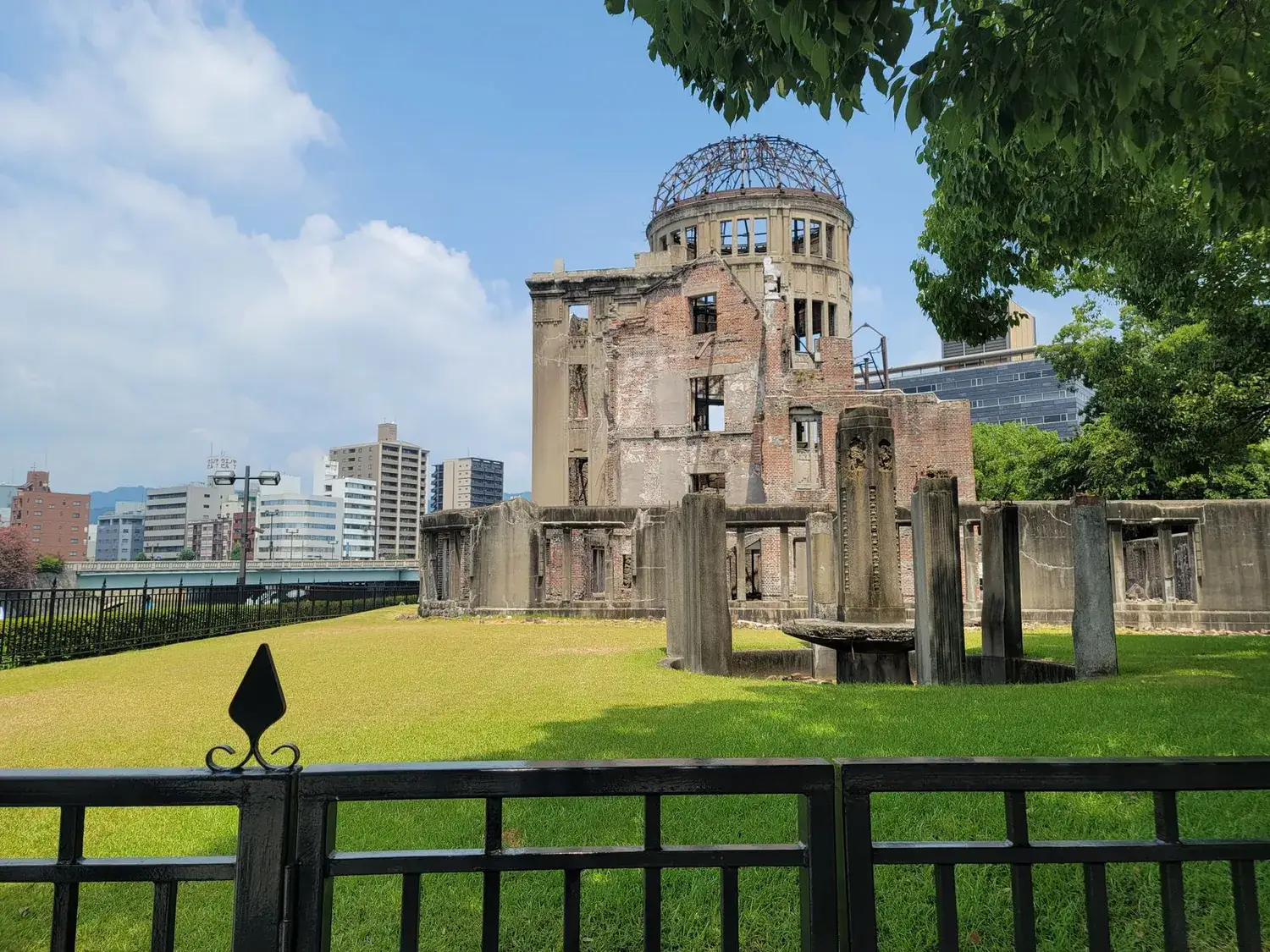
Eight-fifteen, and the building that stayed up
Read →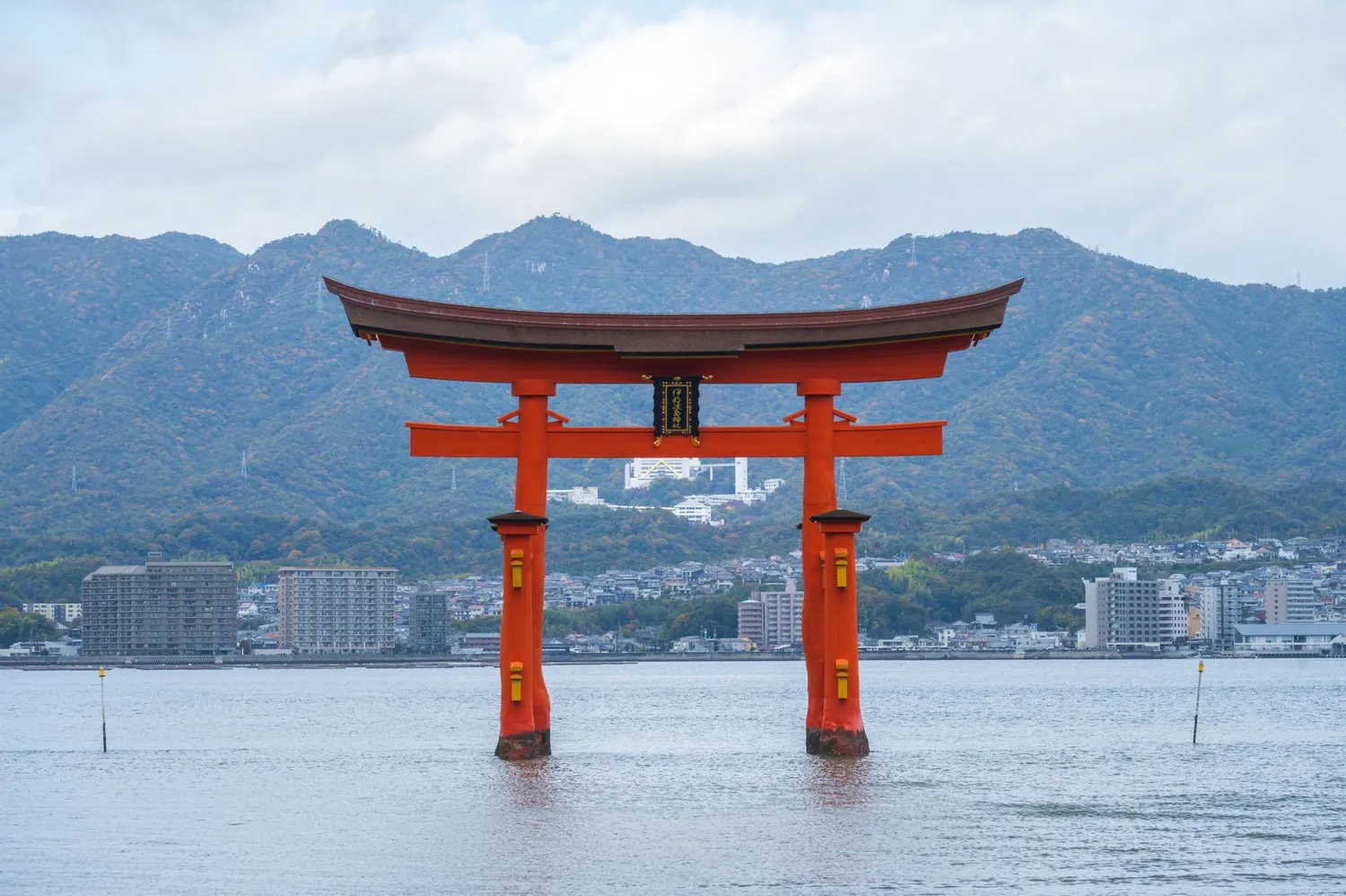
A shrine built over water because the ground was too sacred to stand on
Read →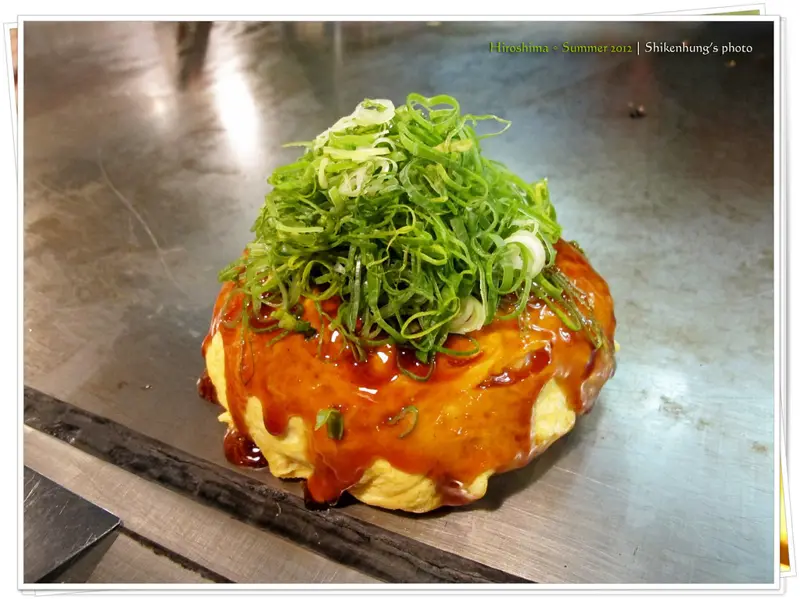
How a city rebuilt itself around a hotplate
Read →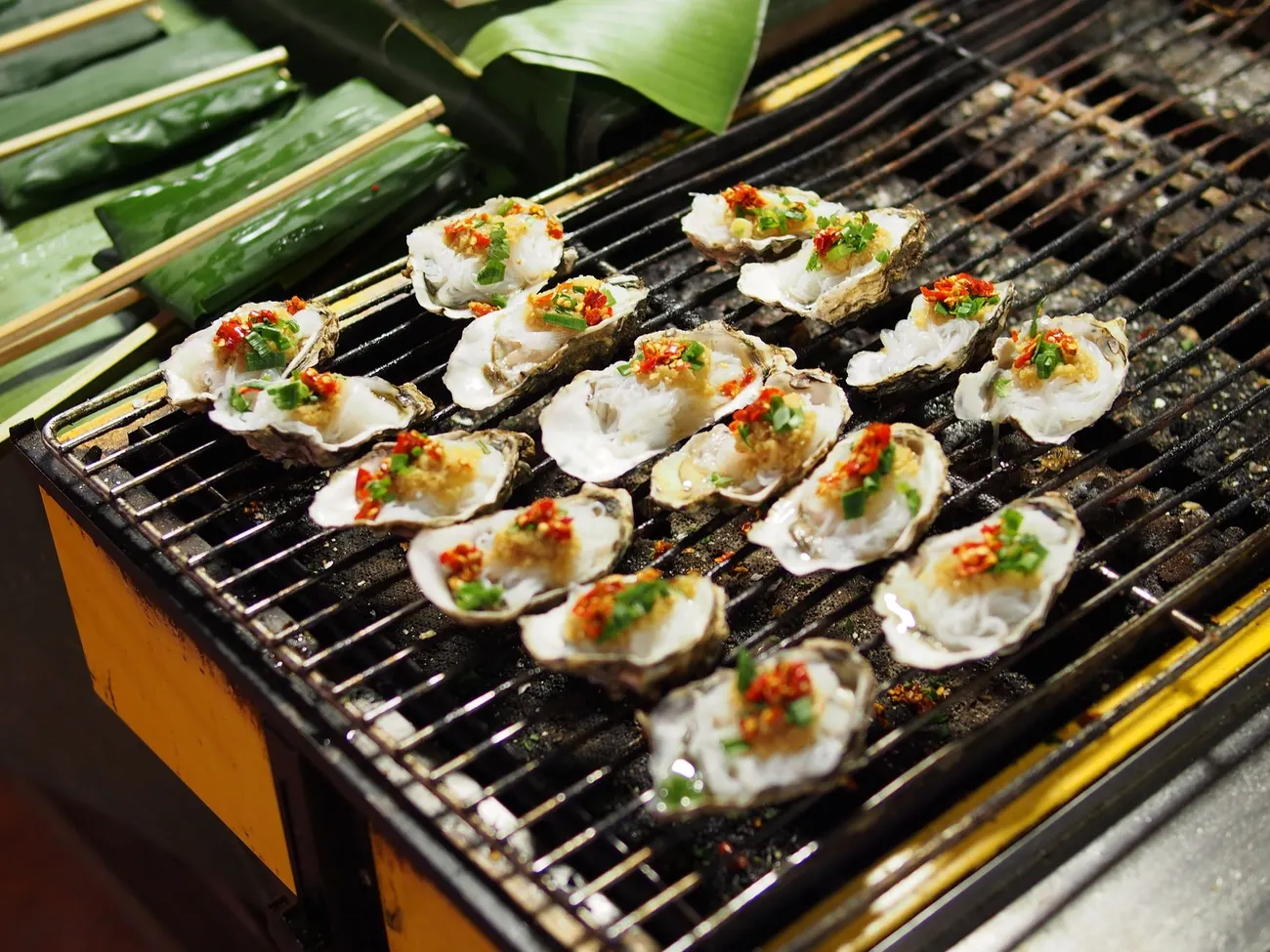
Three thousand islands, no waves, and most of Japan's oysters
Read →No typing needed — jump straight in:
Just docked? — the gangway toolStart from your shipThe ride from every berthAsk the editorGlossary