Three thousand islands, no waves, and most of Japan's oysters
The Seto Inland Sea is the reason. Enclosed, shallow, fed by rivers off the mountains and barely troubled by swell — the perfect nursery. Hiroshima has been farming oysters in it since the 1500s and now grows most of the country's supply.
Look at the water from your ship as you approach and you will notice what is missing: waves. The Seto Inland Sea is a shallow basin roughly 450 km long, enclosed by three of Japan's four main islands and studded with something like 3,000 islands. It became Japan's first national park in 1934.
Because it is enclosed, it is calm. Because it is shallow and fed by rivers carrying minerals off the Chugoku mountains, it is astonishingly fertile. And because it is warm, it has been the country's main sea road since prehistory — every fleet, pilgrim and merchant moving between Kyushu and the capital came this way.
Oyster farming here is documented from the 1500s, and Hiroshima now produces on the order of 60% of Japan's oysters. The technique is raft culture: scallop shells strung on wires, hung from floating rafts, on which oyster larvae settle and then grow suspended in the water column rather than on the seabed.
Suspended oysters feed constantly and never sit in silt, which is why Hiroshima oysters grow fat and clean. The rafts are everywhere once you know to look — those lines of dark rectangles off Miyajima are not moorings.
Season: roughly November to March, with the deepest flavour in the coldest weeks. Summer oysters here are a different, farmed variety and not what the city is famous for.
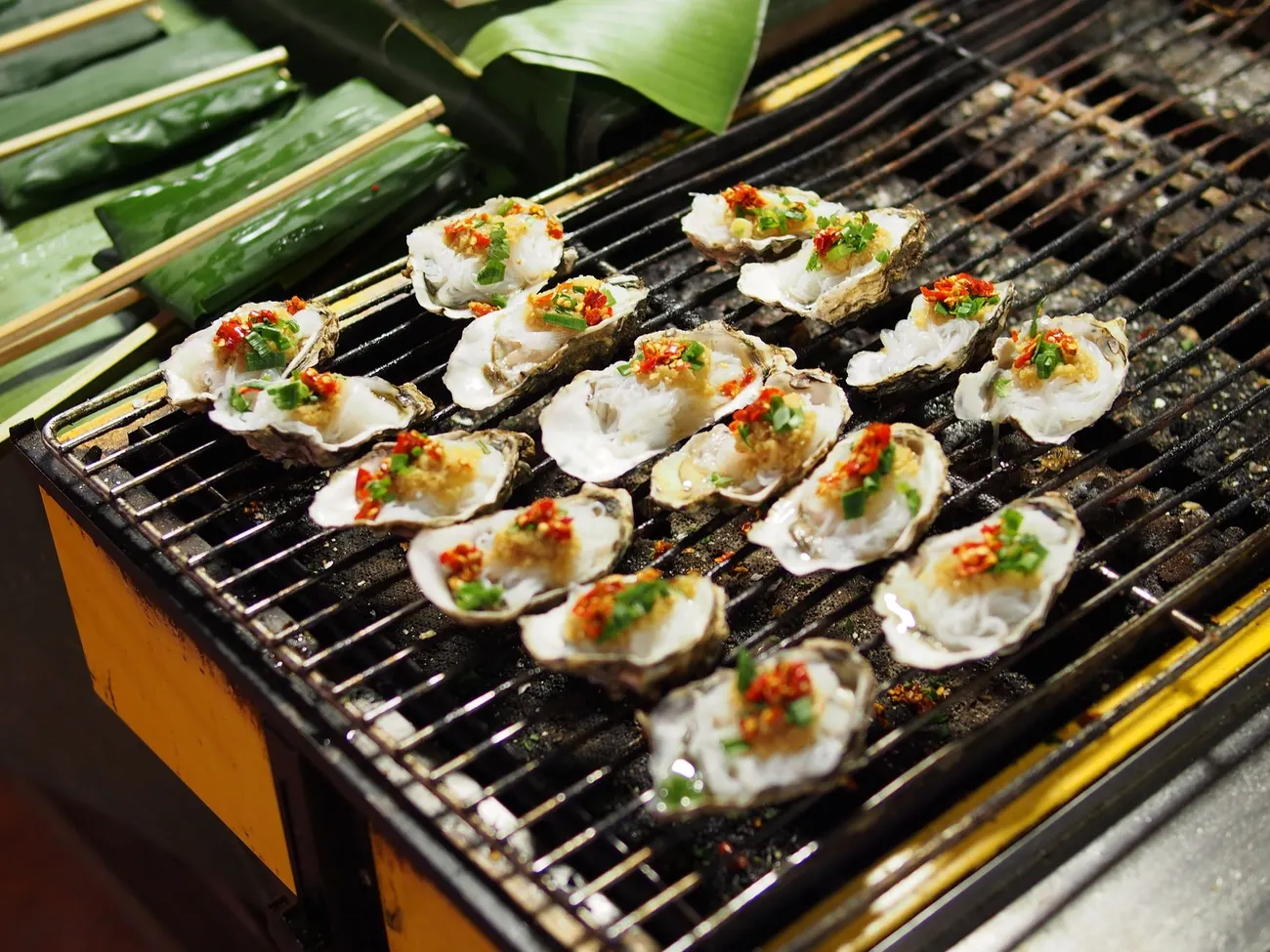
The Miyajima answer is kaki no yakigaki — grilled in the shell over charcoal on the street, two for pocket change, prised open in front of you and eaten scalding. That is the version to have if you have twenty minutes.
The sit-down versions: kaki-fry, panko-crumbed and deep-fried, which is the Japanese oyster dish; kaki-meshi, oysters cooked into rice; and dote-nabe, a miso hotpot with a ring of miso smeared around the rim of the pot, scraped in gradually as it cooks. And, in season, folded into okonomiyaki — which is the best thing on this list.
If your call is long and you have already done the Peace Park, the Inland Sea itself is the underrated day. The Shimanami Kaido runs 60 km across six islands on a chain of suspension bridges with a dedicated cycle path — one of the great rides anywhere, though it needs a full day and a booked bike.
Closer in, the small islands off Hiroshima carry lemon groves, ferry stops and almost no visitors. Setouchi lemons are a genuine local product and turn up in everything from ramen to cake.
In the shallow, sheltered water off Hiroshima
The Seto Inland Sea, with roughly 3,000 islands
Oysters suspended on strung shells rather than grown on the seabed
60 km of bridges across six islands, with a cycle path
Grown in the water you sailed in on
Grilled oysters are a street snack on Miyajima and cost pocket change. In season, ask for them inside your okonomiyaki.
Roughly November to March, with the best flavour in the coldest weeks — a Miyajima street grill in January is the peak version. Summer oysters exist here but are a different farmed variety and not what the region is known for.
The Seto Inland Sea is enclosed, shallow and calm, fed by rivers carrying minerals off the mountains — an ideal nursery. Farmers here have used it since the 1500s, and the raft technique, which suspends oysters in the water column rather than on the seabed, keeps them clean and constantly feeding. Hiroshima now grows around 60% of Japan's oysters.
The shallow, sheltered sea enclosed by Honshu, Shikoku and Kyushu — roughly 450 km long with about 3,000 islands, and Japan's first national park, designated in 1934. It has been the country's principal sea road since prehistory and is why the water outside your cabin window has no waves.
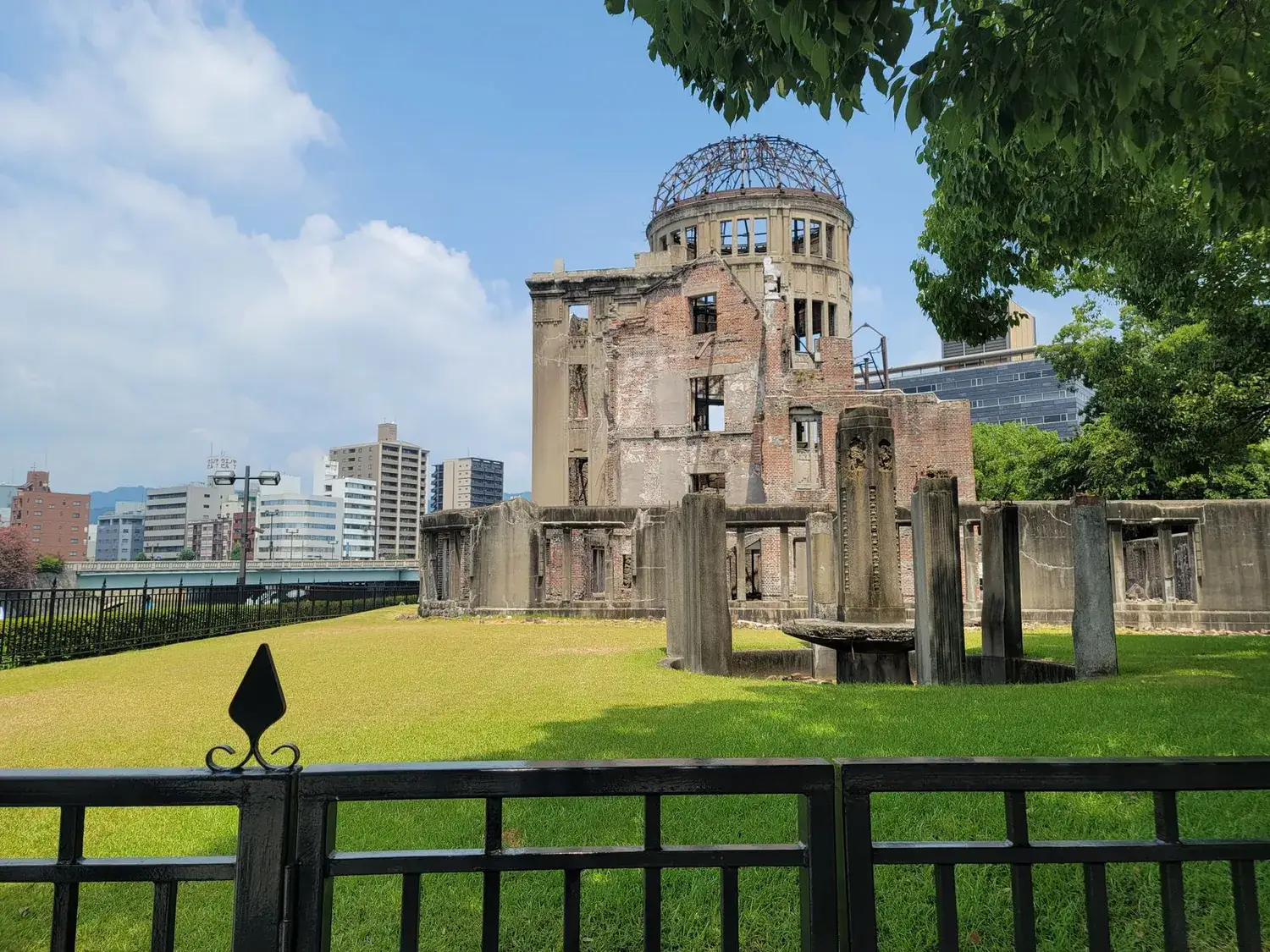
Eight-fifteen, and the building that stayed up
Read →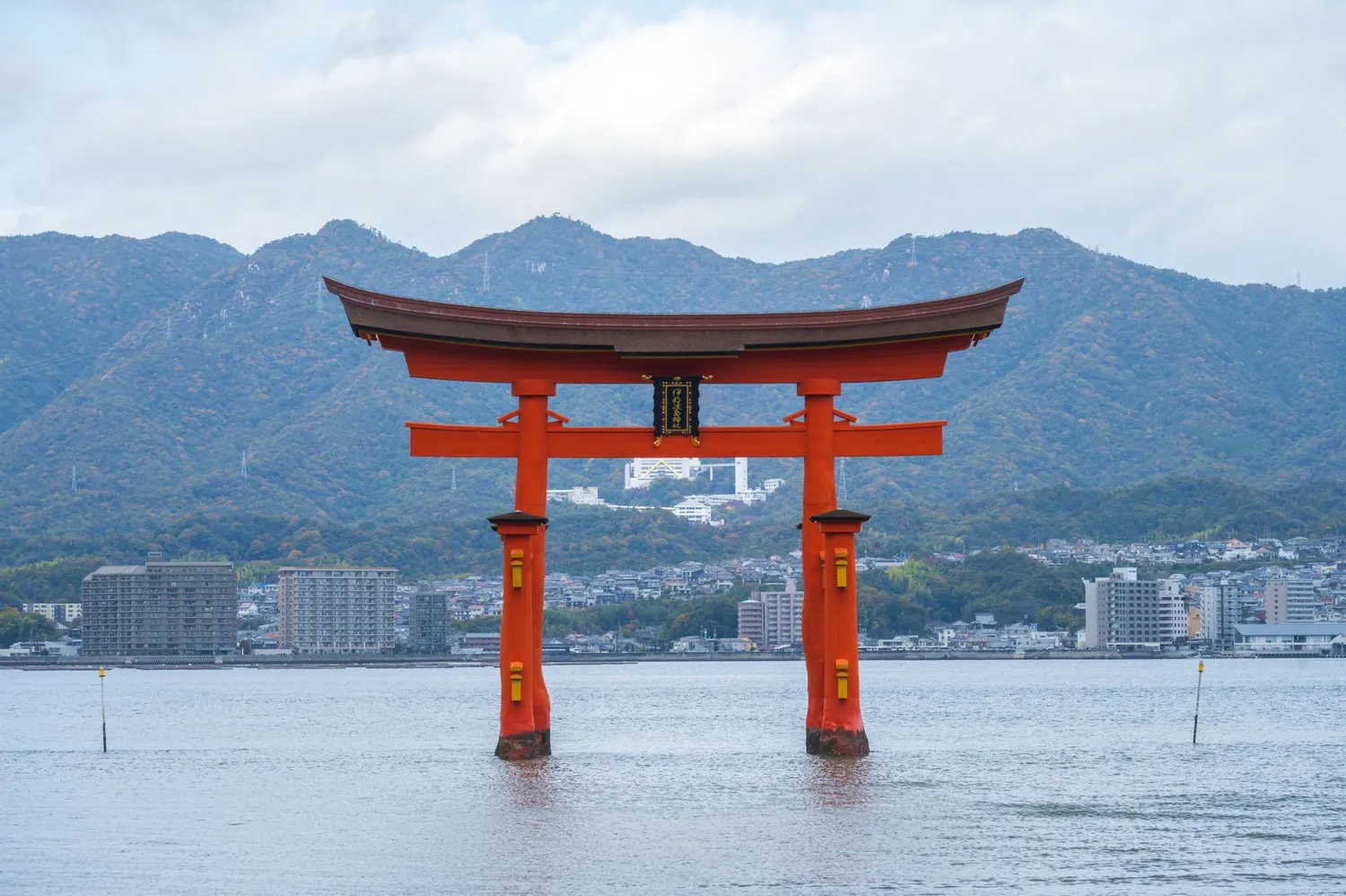
A shrine built over water because the ground was too sacred to stand on
Read →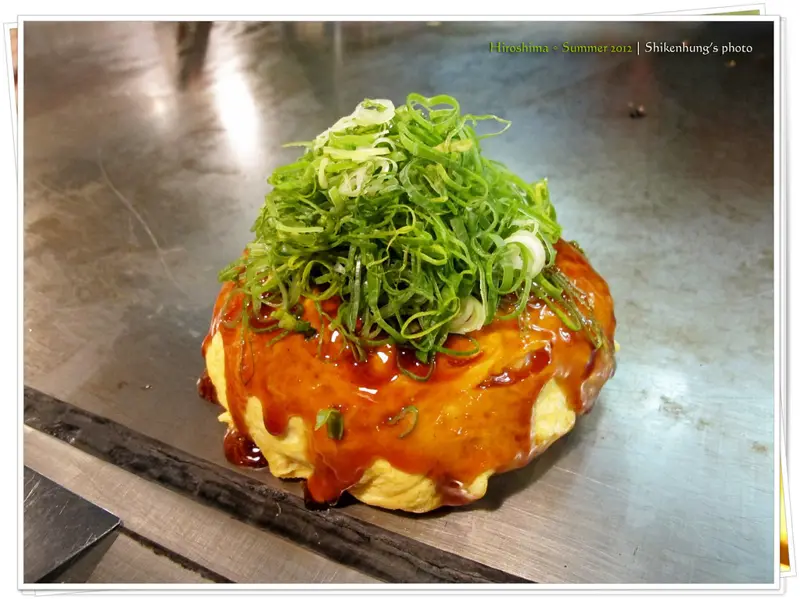
How a city rebuilt itself around a hotplate
Read →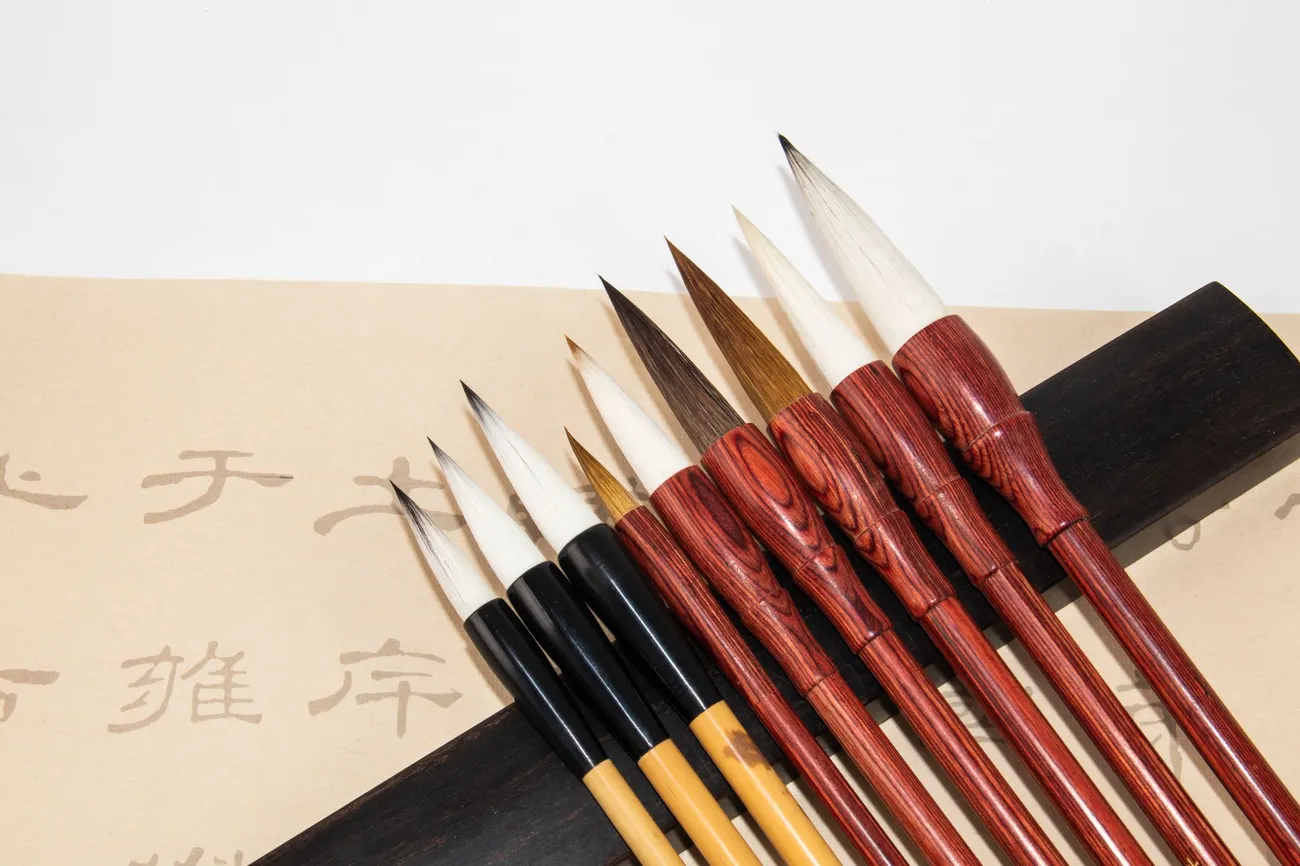
A farming town that supplies the world's make-up bags
Read →No typing needed — jump straight in:
Just docked? — the gangway toolStart from your shipThe ride from every berthAsk the editorGlossary