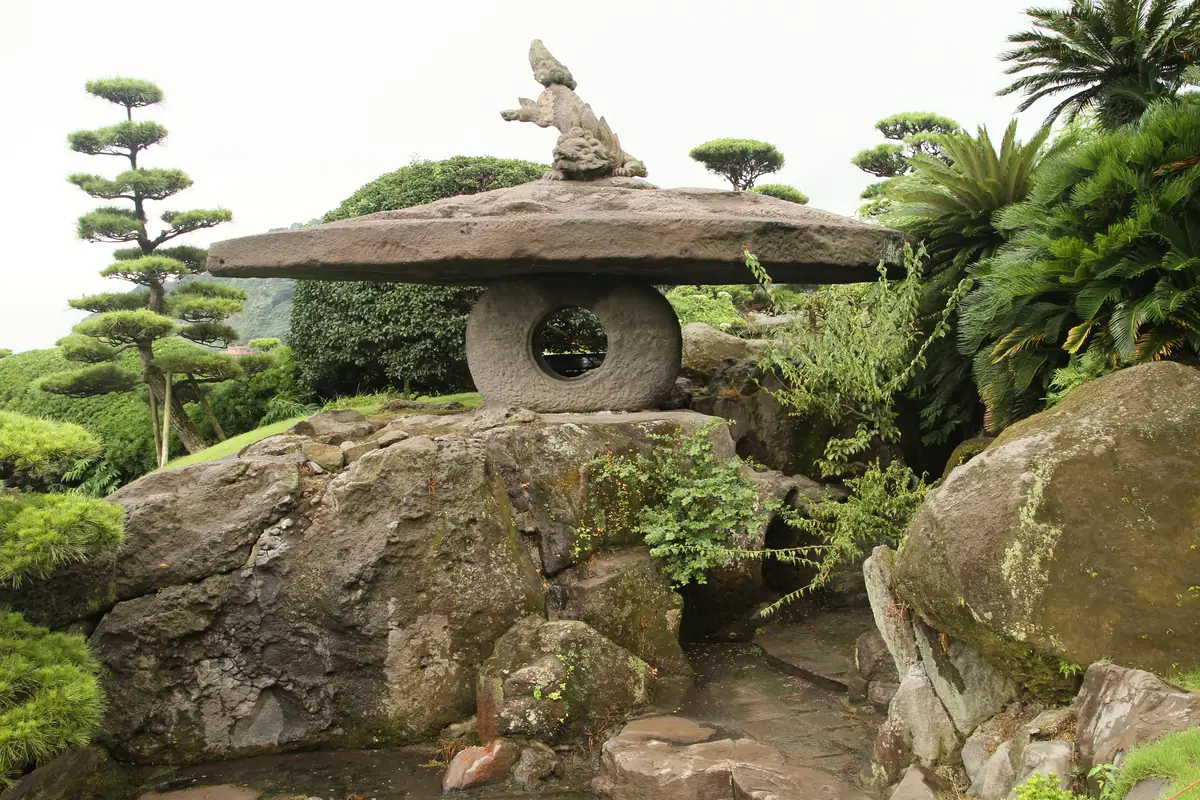
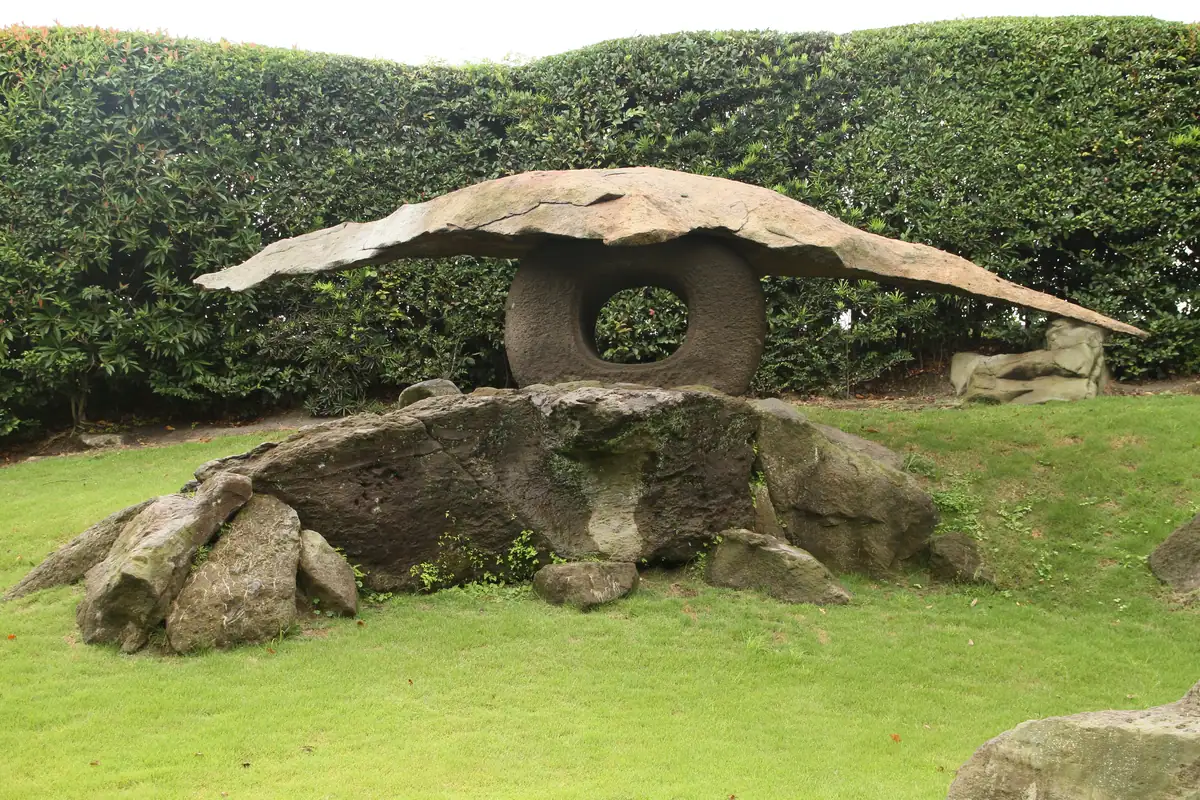
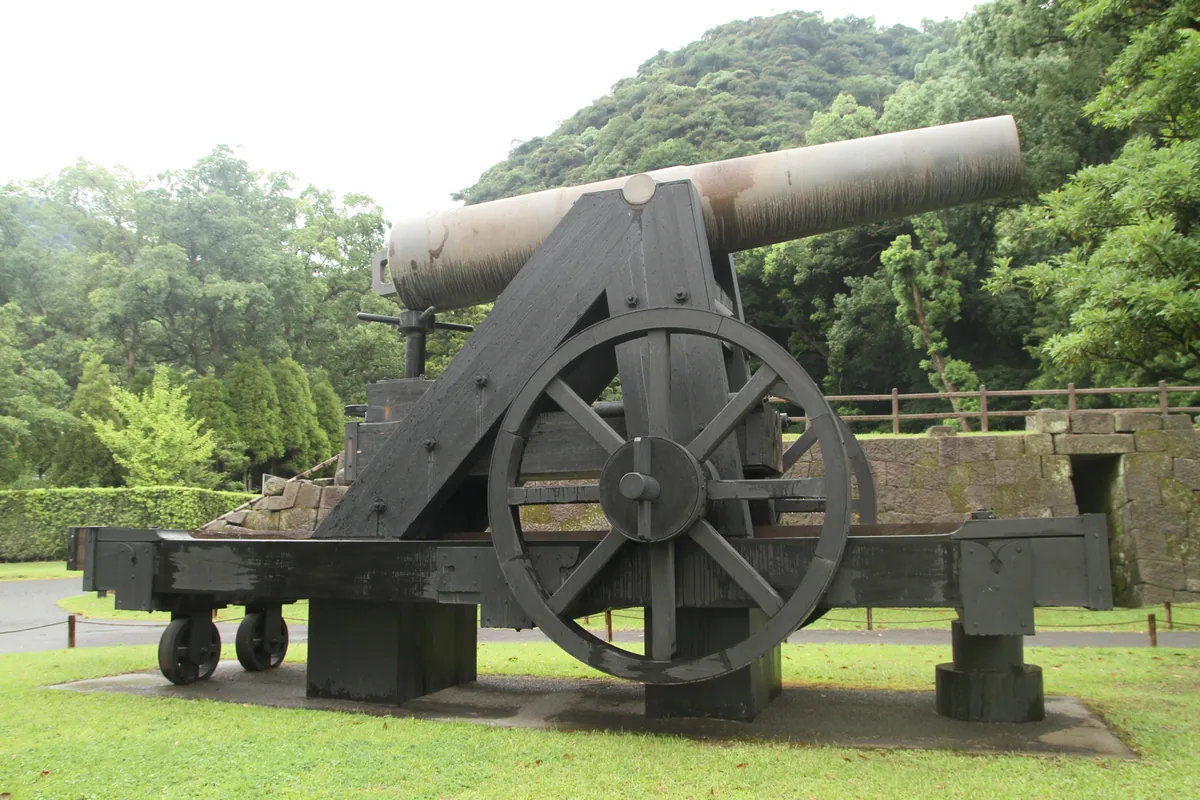
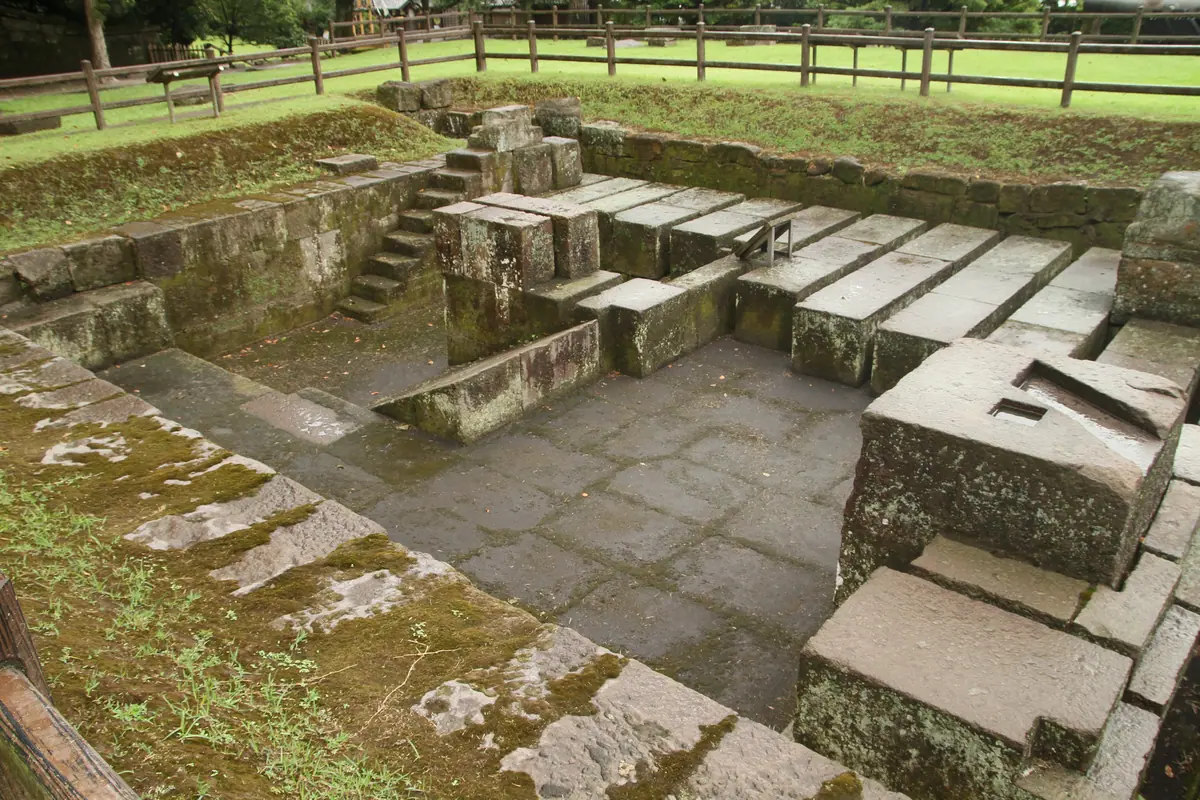
Tap a photo to see it large. 10 photographs, each credited.
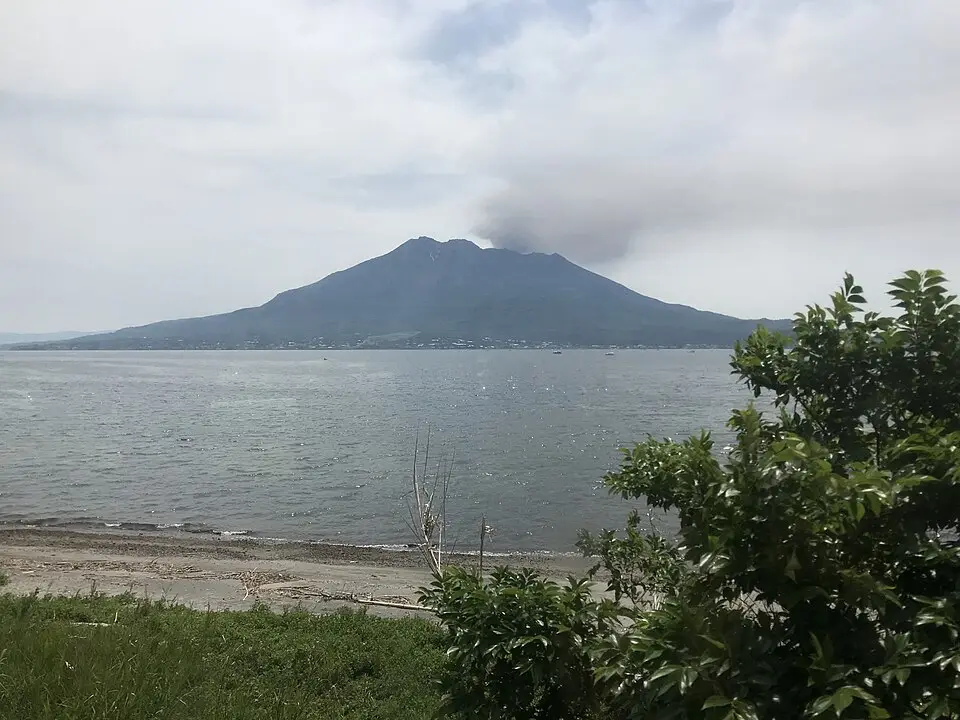
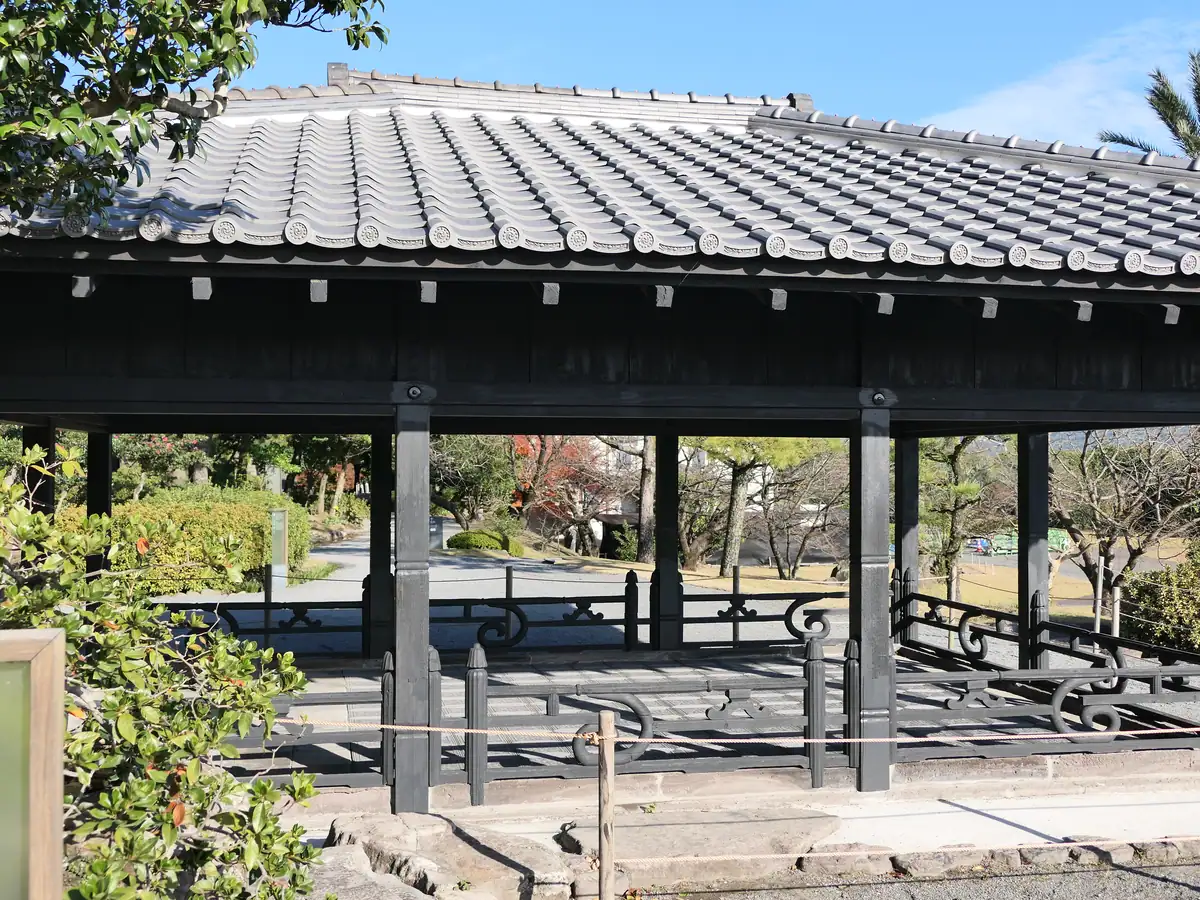
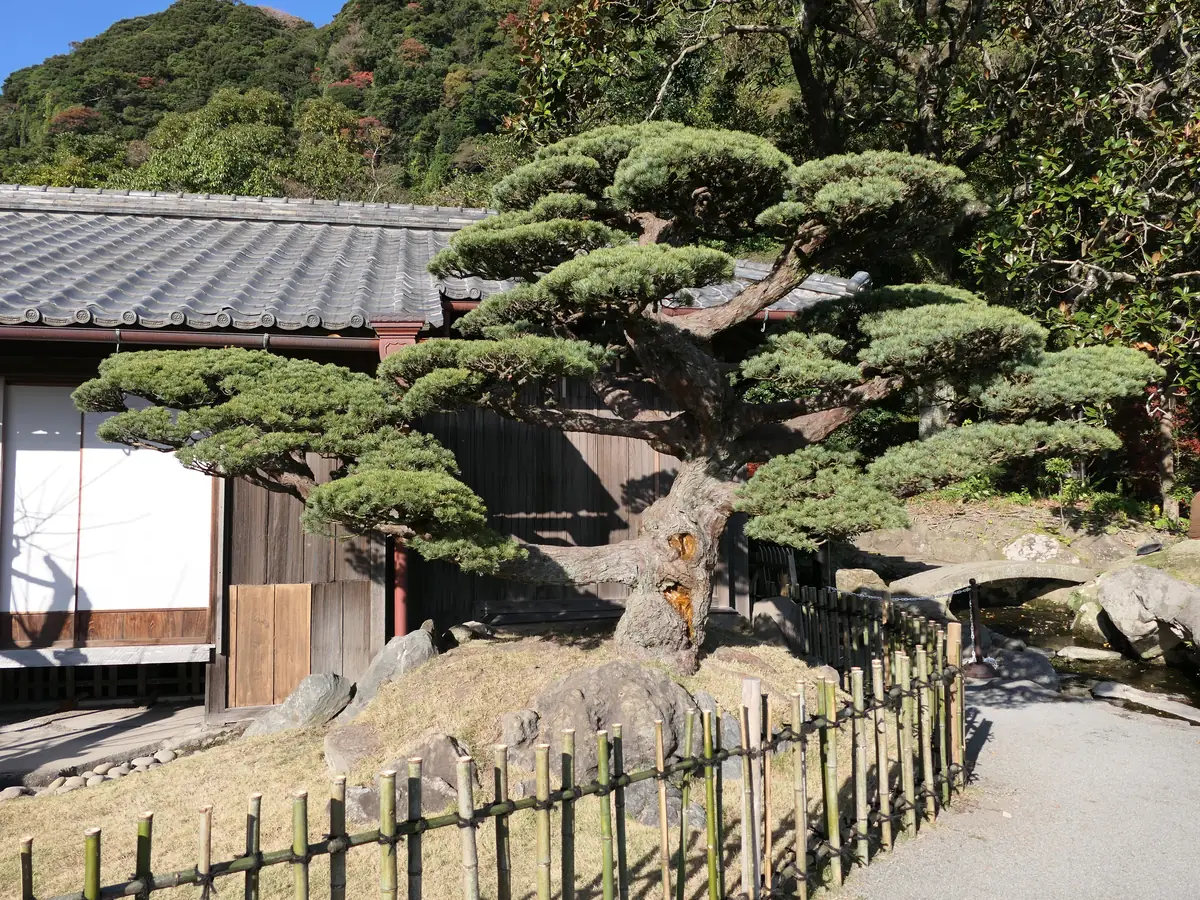
The Shimadzu lords built their garden so Sakurajima itself is the backdrop — borrowed scenery at its most audacious. The old factory complex beside it is World Heritage.
How the far south overthrew the shogun — and then mourned the man who did it
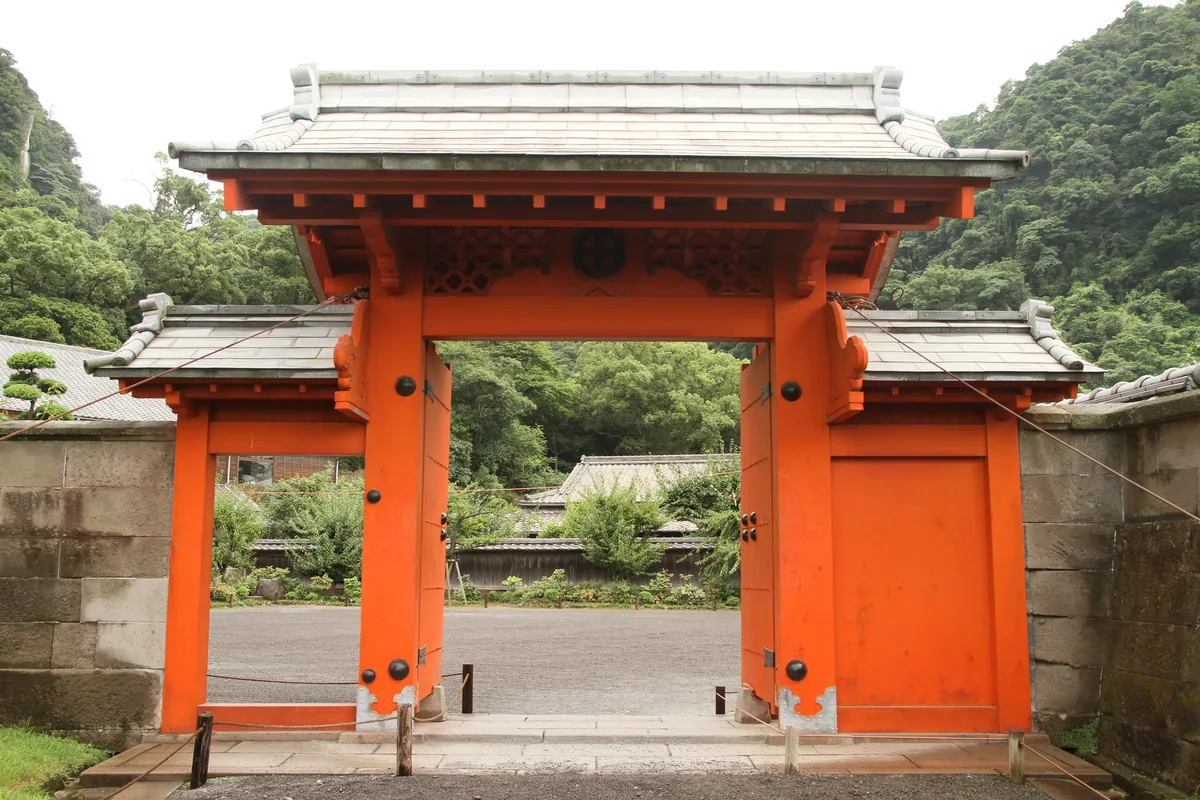
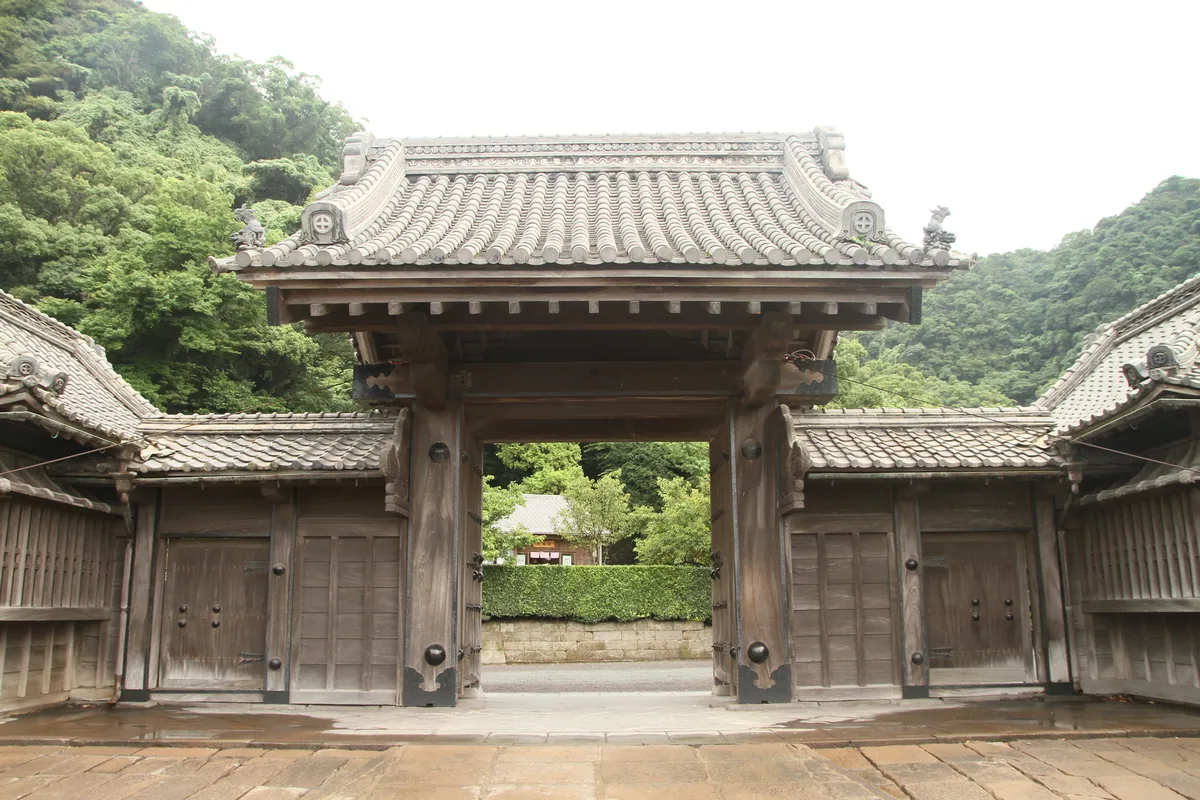
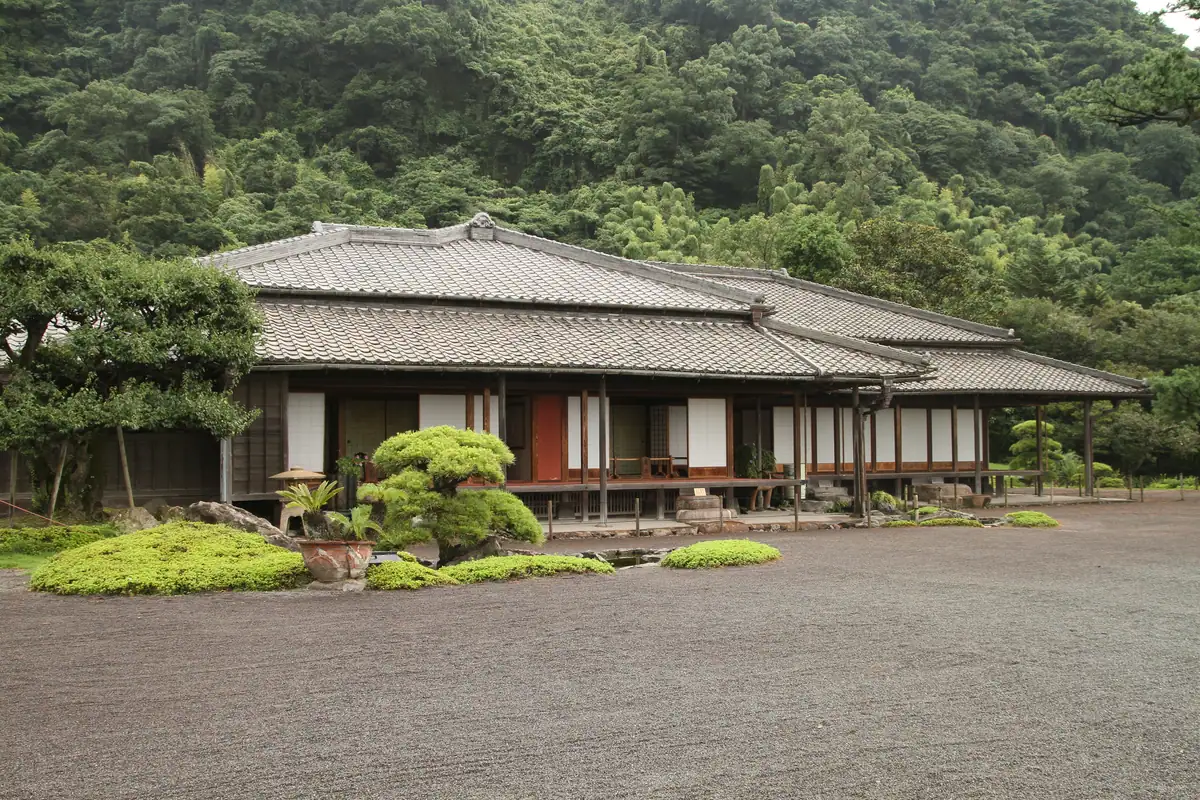
The seaside villa garden of the Shimazu, who ruled Satsuma for seven centuries. Its celebrated trick is shakkei, borrowed scenery: the garden is composed so that Sakurajima stands in for the hill and Kinko Bay for the pond. The ironworks beside it, built in the 1850s, is a UNESCO World Heritage site as part of Japan's industrial revolution.
Britain shelled this city in 1863 and achieved nothing except an alliance. Two boys from one narrow lane went on to build modern Japan and to destroy each other. Kagoshima has never entirely got over either event.
Japanese gardens borrow scenery; the Shimadzu lords borrowed an erupting volcano. Their 1658 villa garden frames Sakurajima across the bay as its centerpiece — no pond needed when you own the view. Around it: a bamboo grove, shrine cat shrine (the lords kept war-cats; it is a long story the garden tells well), and the samurai-era industrial complex that earned World Heritage status.
That last part surprises people: beside the garden stands Japan’s first modern factory site, where the Satsuma clan reverse-engineered Western cannon and glass in the 1850s. The Shoko Shuseikan museum connects the garden’s beauty to the ambition that ended the samurai age — the whole Meiji story in one estate.
A tenure that will last until 1868 — nearly seven centuries
A back door to Chinese trade throughout Japan's closed centuries
A British merchant is killed on the highway; Britain demands redress
Two days, ~500 houses burned, no decisive result — and an alliance follows
Sengan-en, Shiroyama and the Restoration museum form one loop through the whole story. Guided versions handle the transfers, which is most of the difficulty.
Both pins on one map, so the distance is a fact rather than a feeling.
Ninety minutes covers the garden and viewpoints at an unhurried pace; add thirty each for the museum and the house tour. From the cruise berth, budget four hours door to door to enjoy it properly.
Different days: Sengan-en composes the volcano; the ferry confronts it. With one half-day, active travelers cross, garden-lovers stay. With a full day, our plan does both in the right order.
Each one is a finished day we have walked and timed, with this stop in it. Read the route rather than assembling it yourself.
Each of these still lands you back aboard with the hour to spare.
 See · ~4h round trip
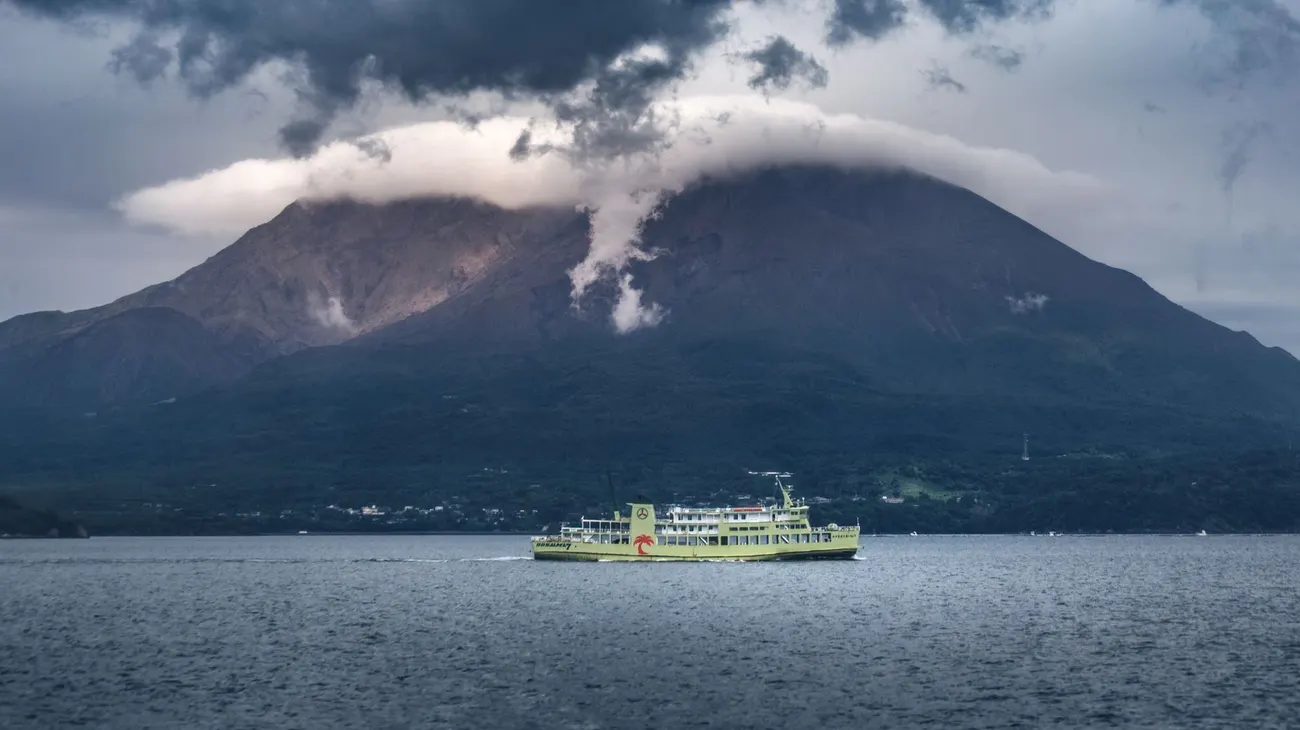
An active volcano commuted to by city ferry every 15–20 minutes.
See the detail → Eat · ~2.5h via shuttle
The original “polar bear” shaved ice — condensed milk, fruit, a face you will photograph before you eat it.
See the detail →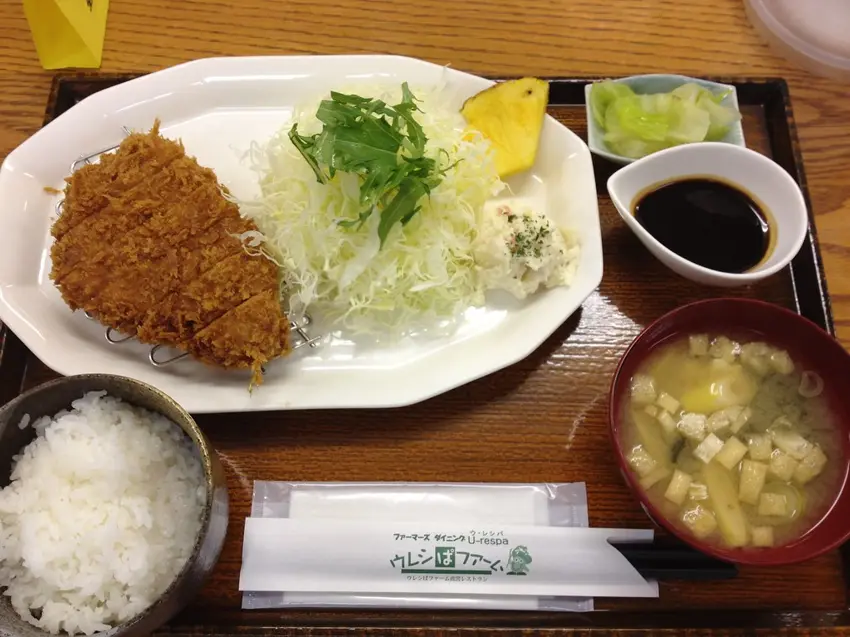 Eat · ~2.5h via shuttle
Berkshire pork raised on sweet potatoes, fried in whisper-light panko.
See the detail →No typing needed — jump straight in:
Just docked? — the gangway toolStart from your shipThe ride from every berthAsk the editorGlossary