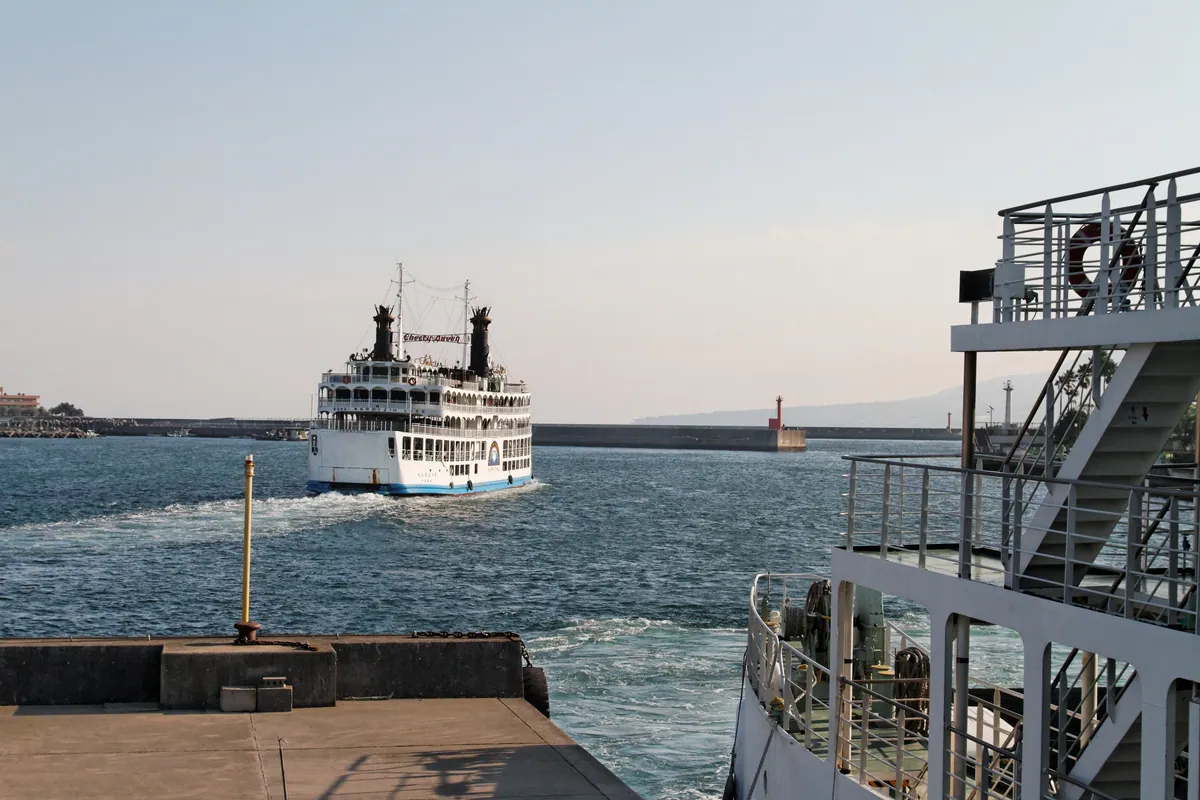
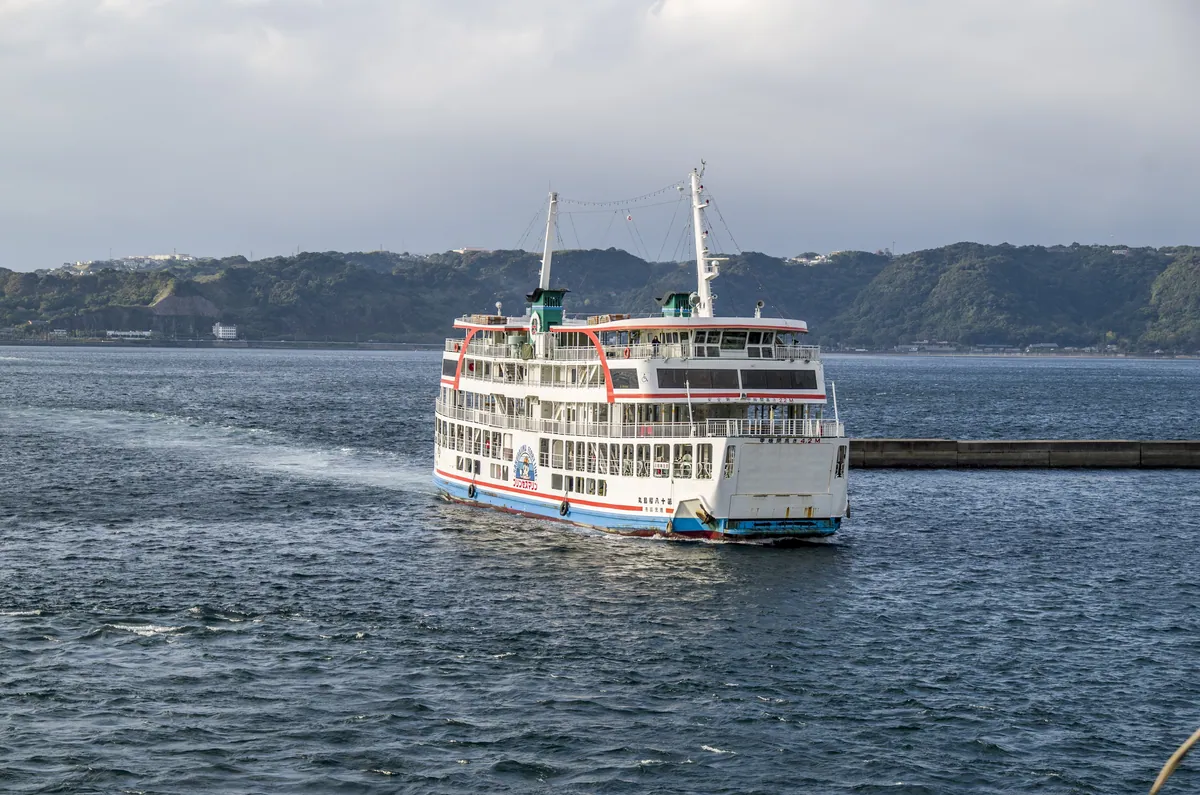
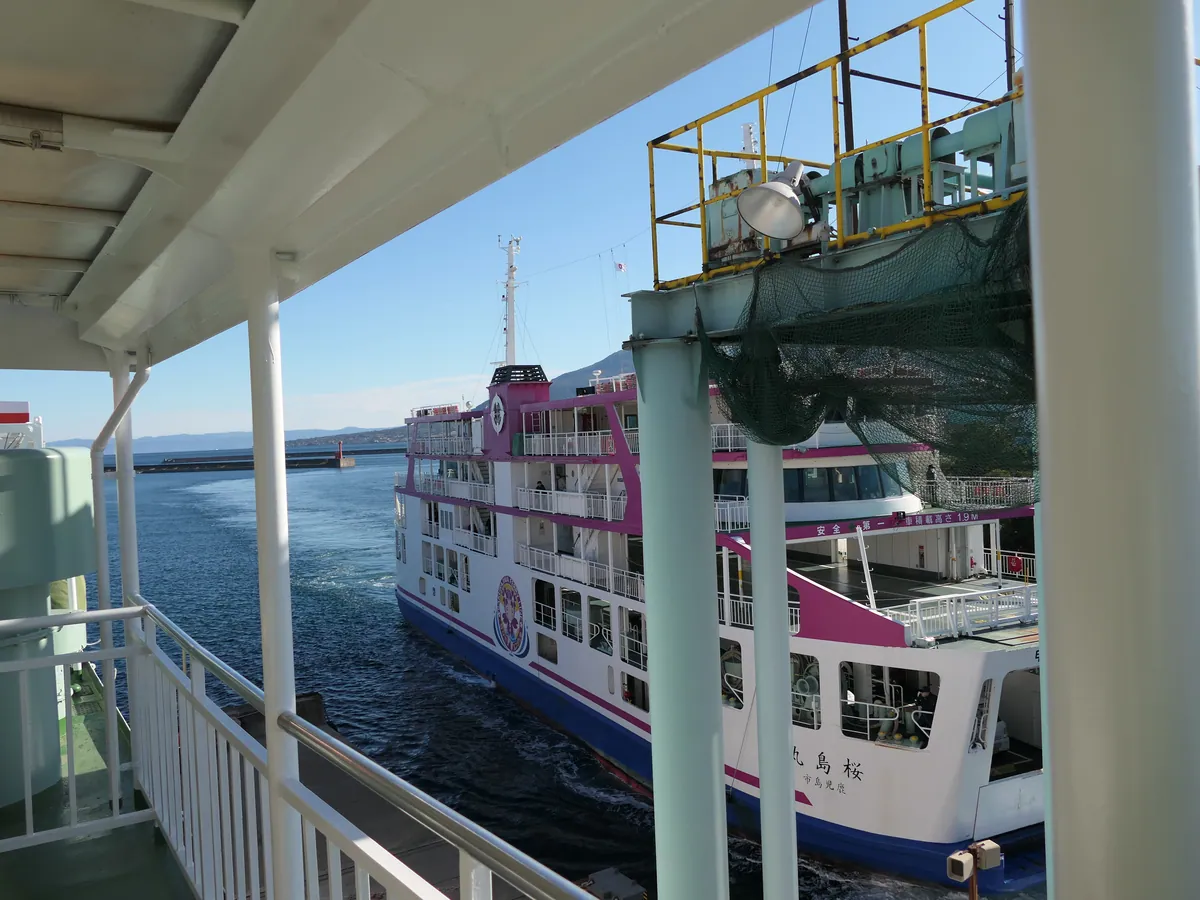
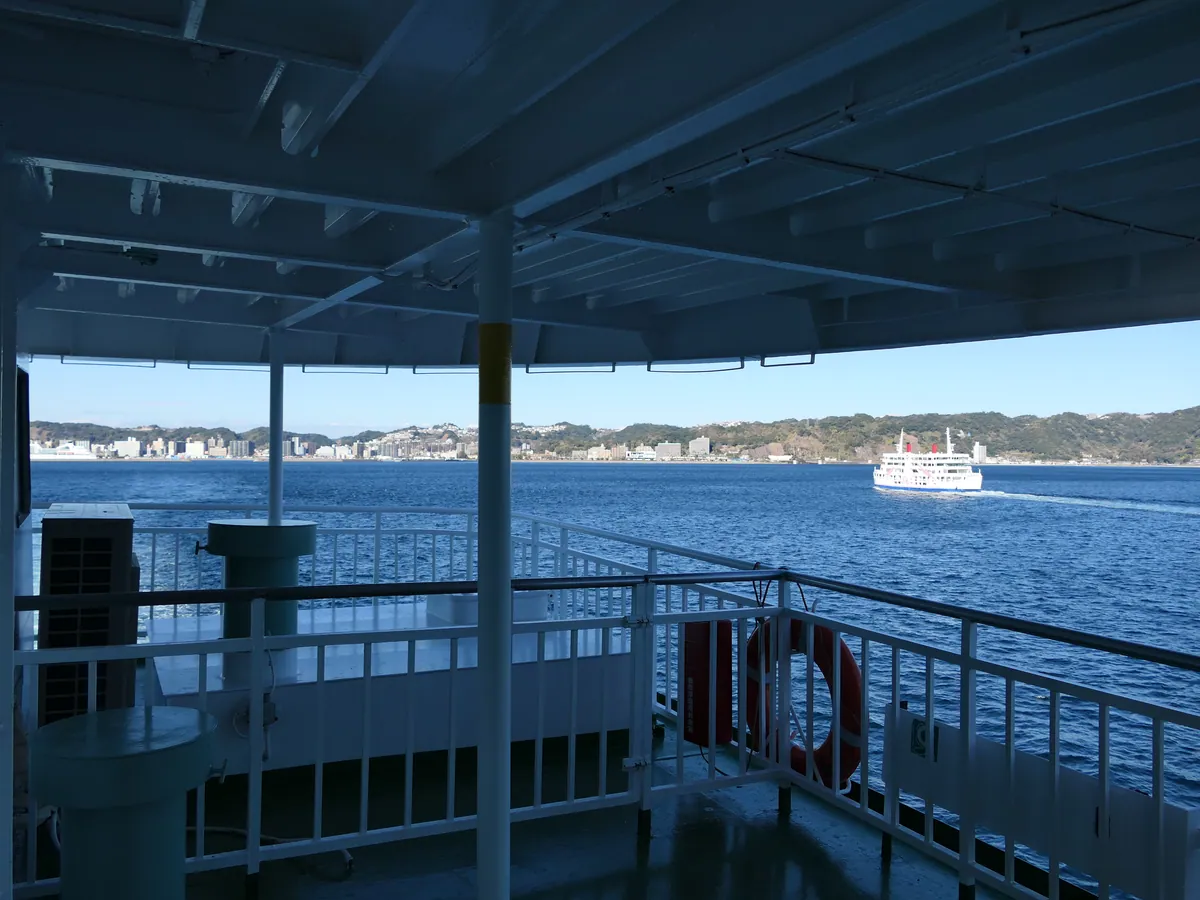
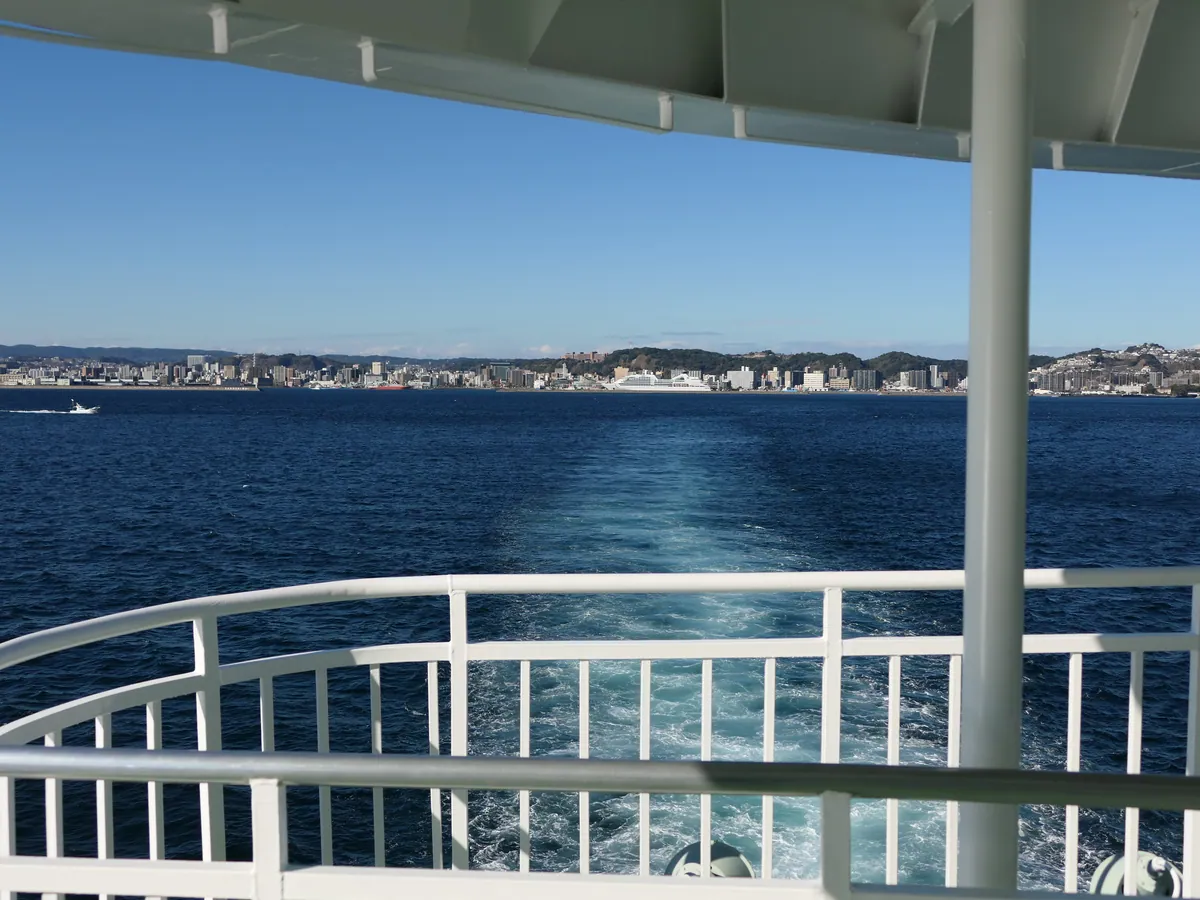
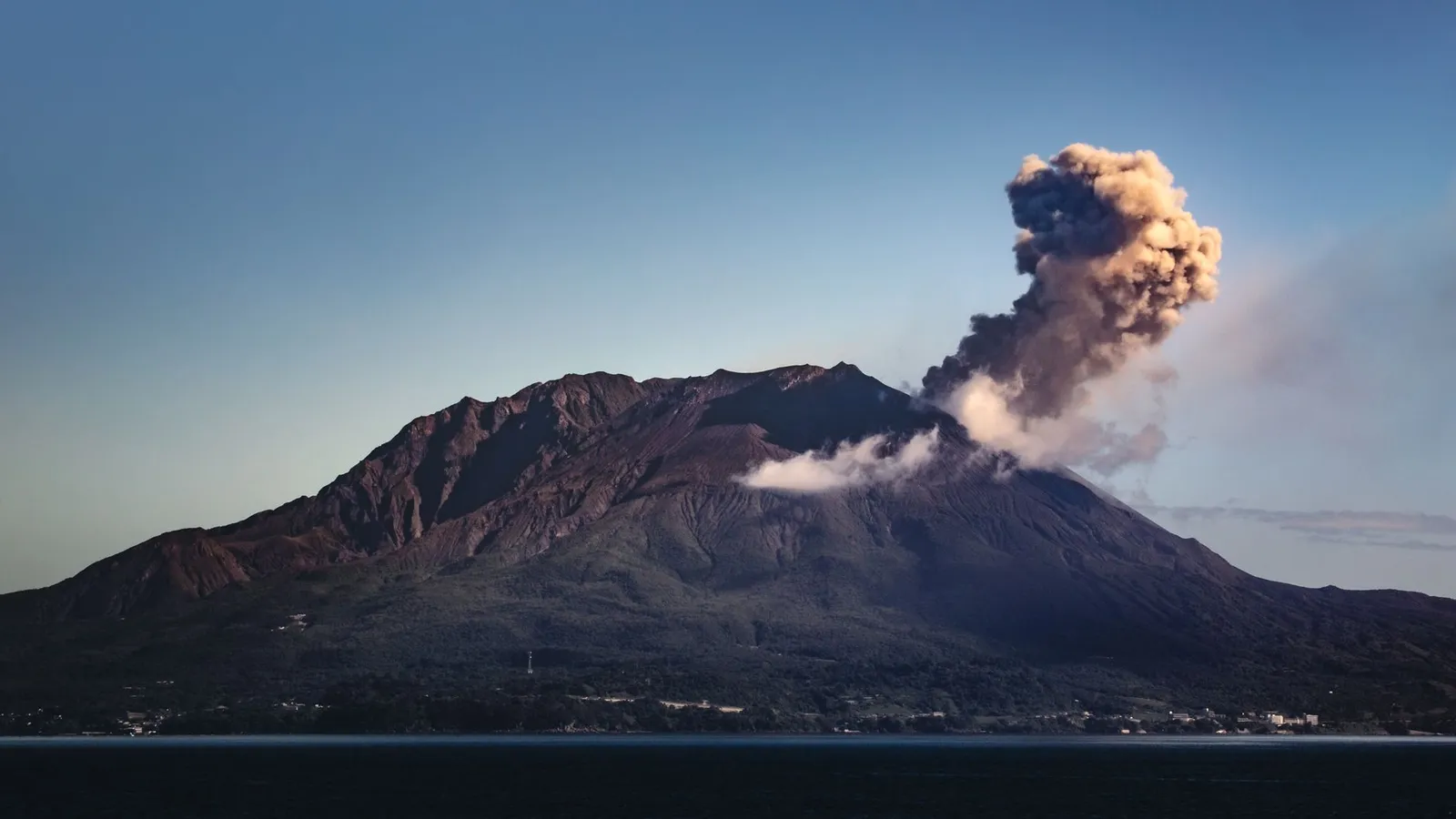
Tap a photo to see it large. 9 photographs, each credited.
An active volcano commuted to by city ferry every 15–20 minutes. Cross like a local, walk a lava trail, soak your feet in a free hot spring, come back. Nowhere else in Japan does this.
Six hundred thousand people, one erupting mountain, and a ferry that never stops
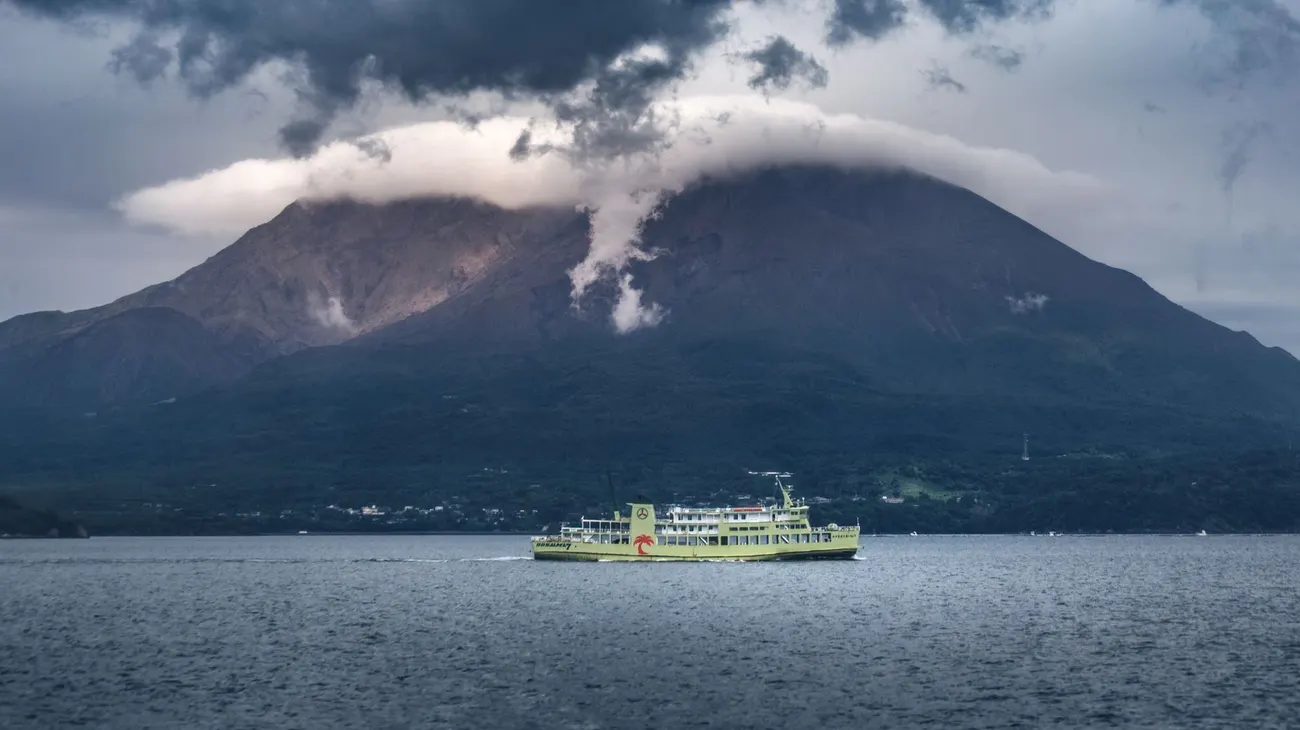
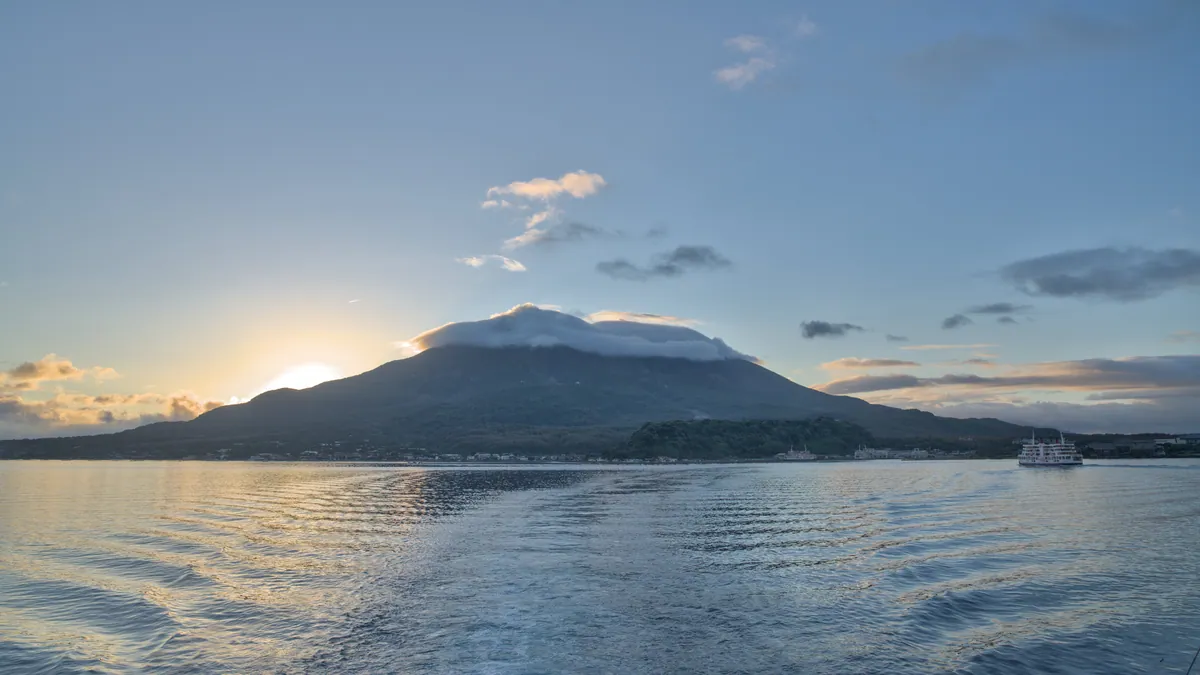
Sakurajima is one of the world's most active volcanoes, erupting on most days, and it is four kilometres from a city of 600,000 people. It stopped being an island in 1914, when a lava flow welded it to the Osumi peninsula. The ferry runs around the clock and takes fifteen minutes, which makes this the cheapest close approach to an active volcano anywhere in Japan.
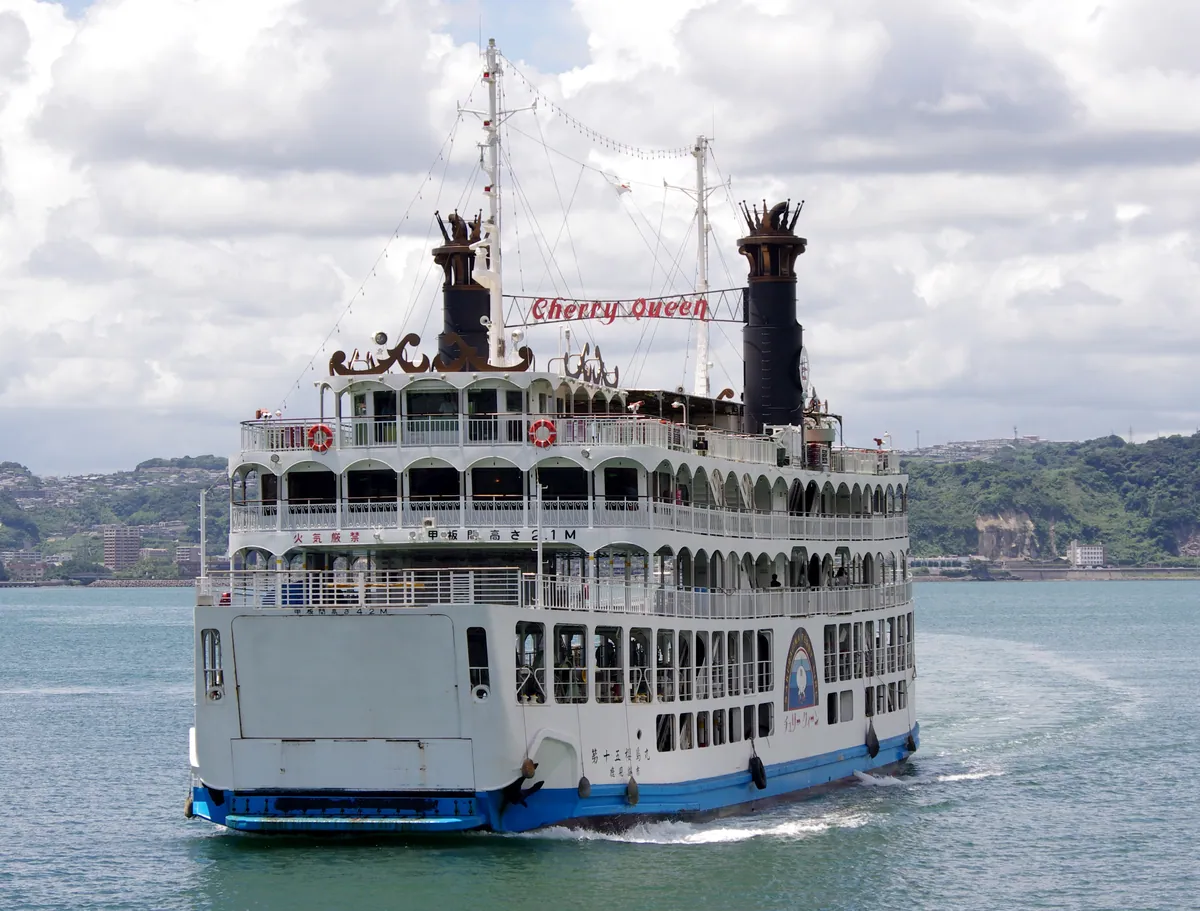
It erupts a couple of hundred times a year. Children walk to school in hard hats, ash goes out in yellow bags like recycling, and a city ferry crosses to the mountain every 15–20 minutes from before dawn to almost midnight — the famous around-the-clock service ended in 2025.
Nowhere else in Japan can you board a city ferry — the kind locals ride with shopping bags — and step off on an erupting volcano fifteen minutes later. Sakurajima smokes over Kagoshima the way Vesuvius must have over Naples, except 4,500 people live on it, school buses run, and the ferry has a udon counter with a devoted following.
The cruise-day version is simple and spectacular: the Nagisa Lava Trail through the 1914 flow, the 100-meter free foot bath facing the strait, and the crossing itself — the cone growing in the windscreen the whole way. This is the day Kagoshima was built for, and it needs no tour bus.
A colossal eruption creates the bay Kagoshima now sits on
Growing inside the caldera's southern rim
VEI 5 — the largest in the historical record here
Earthquakes first, then the eruption; 58 dead, 22,000 evacuated
The ferry needs no booking and runs constantly. Guided days add the far side of the island — Yunohira and the lava fields — which public transport does not reach well.
Both pins on one map, so the distance is a fact rather than a feeling.
Counted from the moment you step off the gangway. The hour before all-aboard is not in this bar; it is already set aside.
5 minutes each way is the honest figure for 15-min crossing, not the optimistic one. If your ship is late, cut the 3 hr 50 min in the middle. Never cut the hour at the end.
Every 10–15 minutes through the day (24-hour service at lower frequency), crossing in about 15 minutes. No reservations exist or are needed — it operates like a floating city bus.
Daily small emissions are normal life here — the island is inhabited and monitored constantly. Access rules adjust automatically in the rare heavier episodes; if the ferry is running normally, your visit is routine.
Each one is a finished day we have walked and timed, with this stop in it. Read the route rather than assembling it yourself.
Each of these still lands you back aboard with the hour to spare.
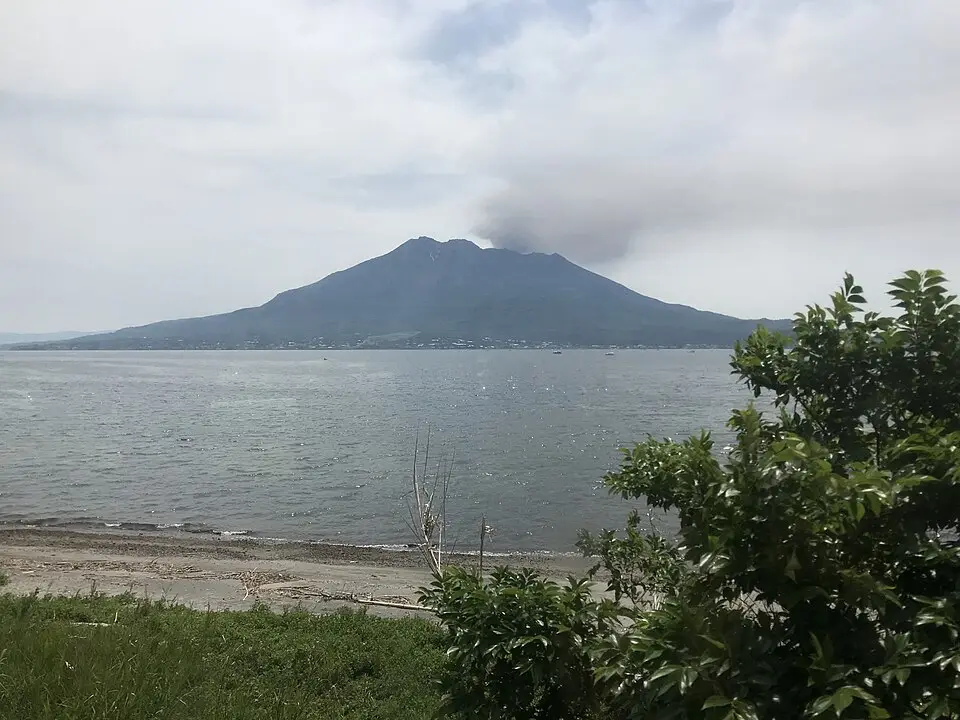 See · ~4h with bus/taxi
The Shimadzu lords built their garden so Sakurajima itself is the backdrop — borrowed scenery at its most audacious.
See the detail →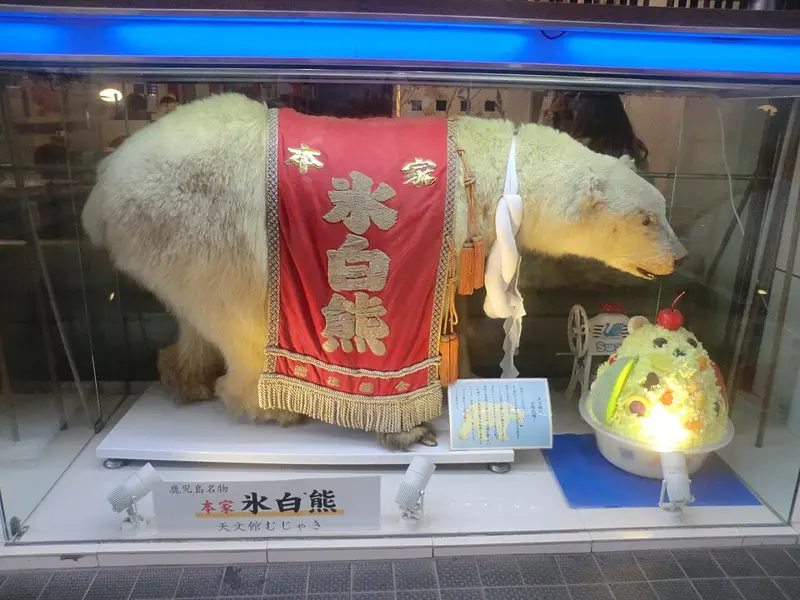 Eat · ~2.5h via shuttle
The original “polar bear” shaved ice — condensed milk, fruit, a face you will photograph before you eat it.
See the detail →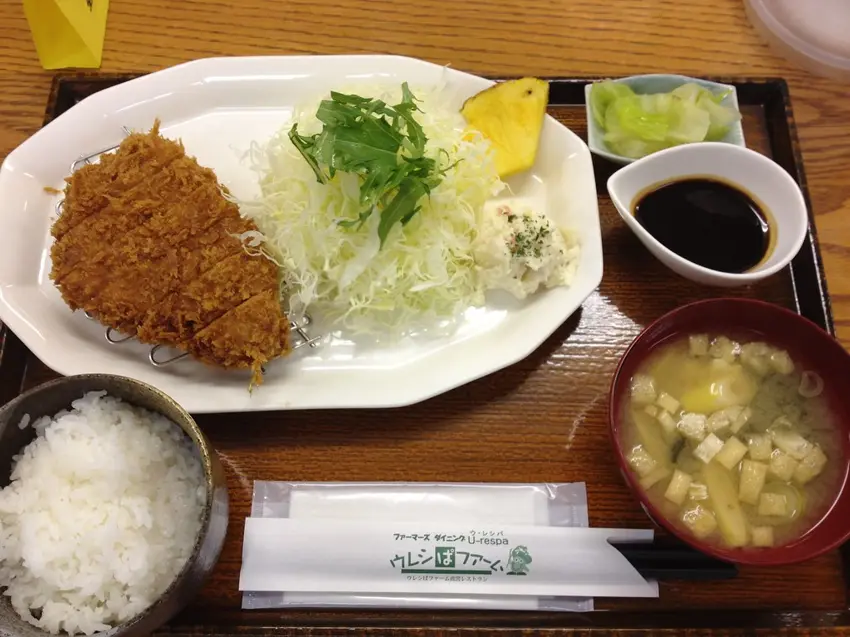 Eat · ~2.5h via shuttle
Berkshire pork raised on sweet potatoes, fried in whisper-light panko.
See the detail →No typing needed — jump straight in:
Just docked? — the gangway toolStart from your shipThe ride from every berthAsk the editorGlossary