
Abai Village and the Gaetbae ferry
 1 / 3
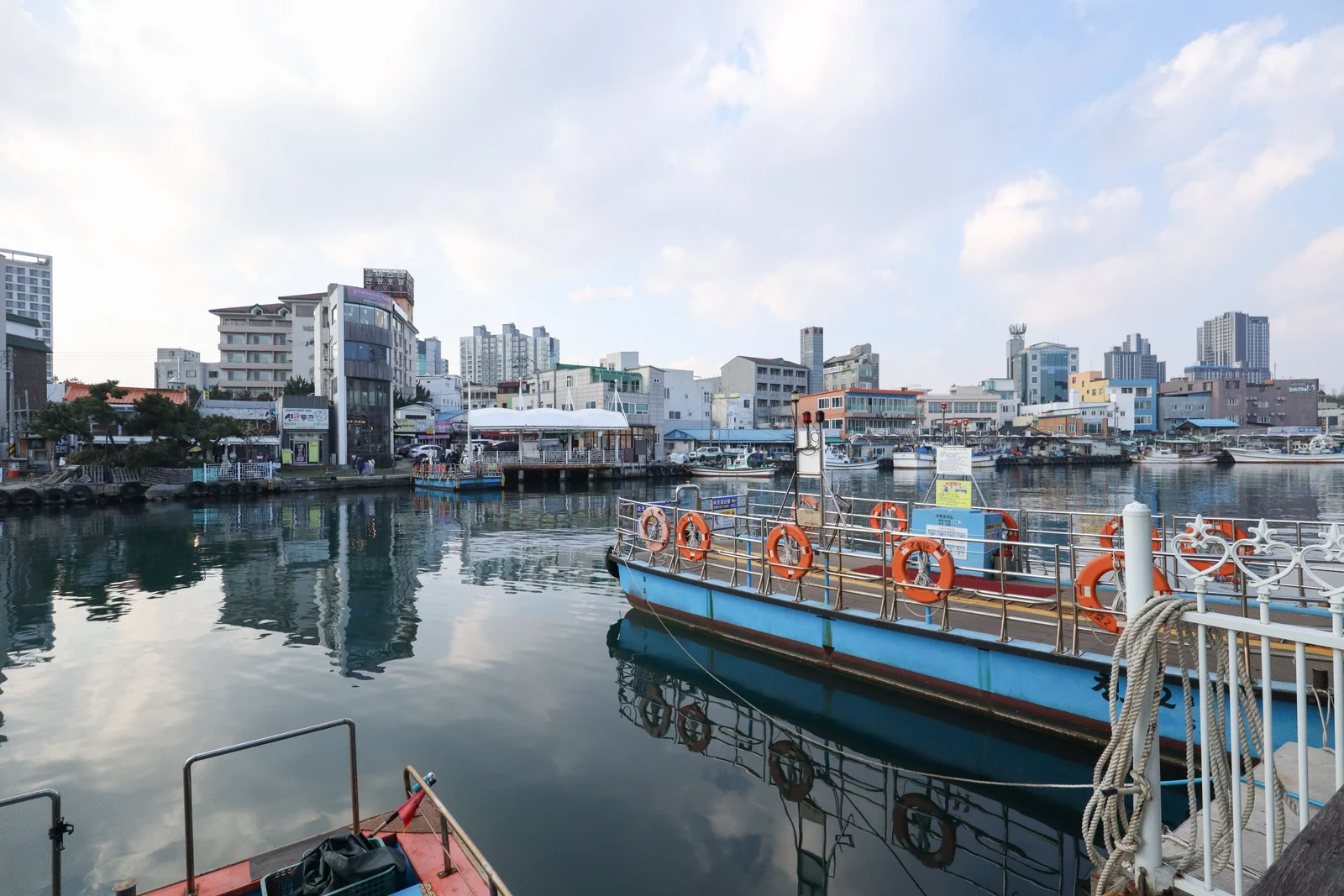
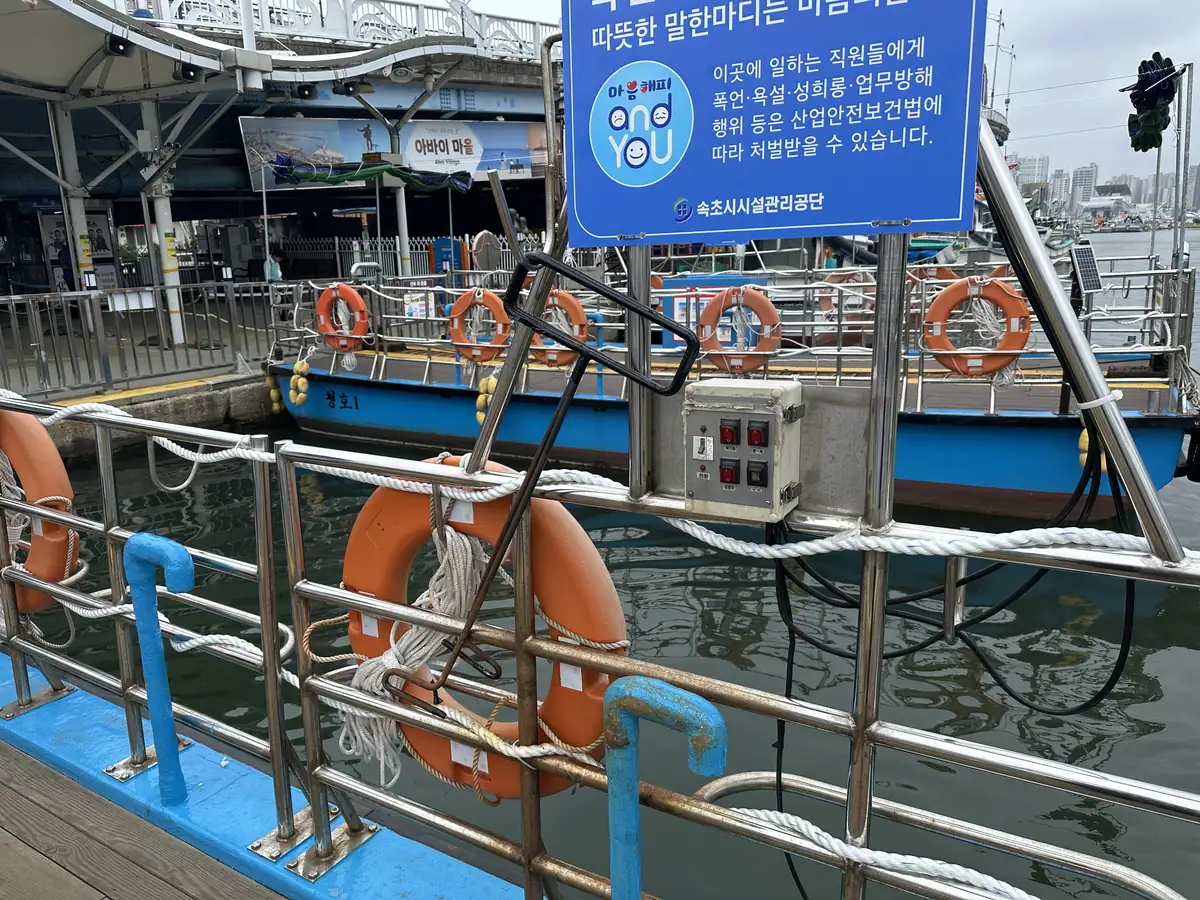
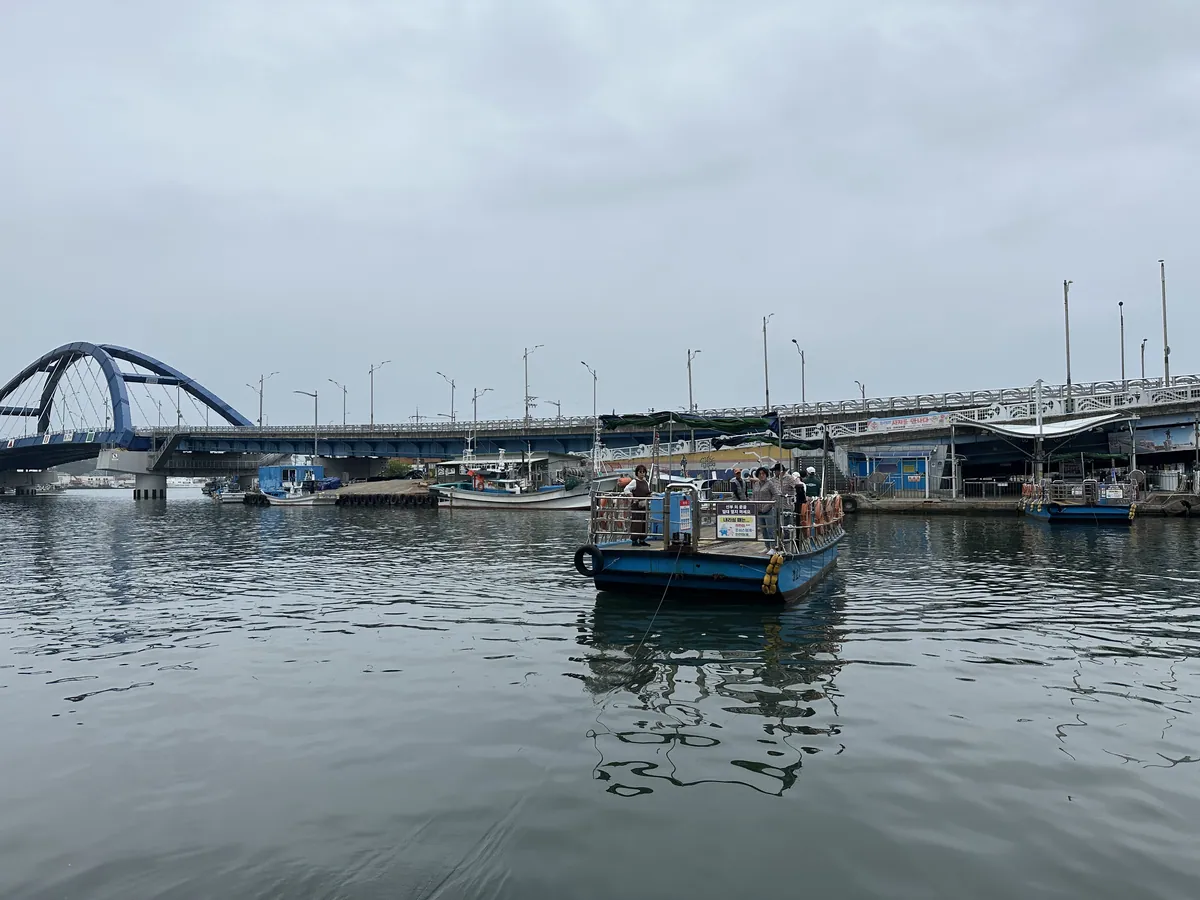
1 / 3Abai Village and the Gaetbae ferryPhoto: Mobius6 / CC BY-SA 4.0
Tap a photo to see it large. 3 photographs, every one credited.
The quarter built in 1950 by about 6,000 refugees from North Korea’s Hamgyeong Province, on the sandbar beside the terminal. “Abai” is Hamgyeong dialect for an old man. The Gaetbae is a 32-passenger cable ferry that its passengers haul across the channel with iron hooks, ₩500, 05:00–23:00 in summer. Flat lanes, a mural street, and the sundae houses.
- Our number 2 for Sokcho, out of ten. It is the first thing we would spend the hours on.
- Short enough to be certain of: 1 hr 20 min door to door, so even a tender day works.
- Free to walk to visit — mural street on cheongho-ro always open; no admission anywhere in the village.
- On a 4–6h ashore call our verdict is "Yes, as the second half" — do the mountain or naksansa first and come back through the market, the ferry and the village to the ship.
Why Abai Village and the Gaetbae ferry is famous
A sandbar settled in 1951 by people who expected to go home by spring
In the winter of 1950, as UN forces fell back, about 6,000 refugees from North Korea’s Hamgyeong Province reached a sandbar at Sokcho. They built shelters there. They meant to stay a season; the line at the 38th parallel meant they never went home. The village took its name from the Hamgyeong word for an old man, because so many of the refugees were elderly. The Gaetbae, a raft on a cable, was the island’s only link to the town until a bridge was built. The passengers still pull it across the channel with iron hooks, 32 at a time, for ₩500. The 2000 KBS drama Autumn in My Heart was filmed here and brought the first tourists. A few hundred people remain.
Nine minutes' walk from the gangway is a village founded by refugees who stopped at the first safe harbour south of home. Seventy-five years on, they are still waiting.
The village on the sandbar beside the terminal was founded in the Korean War by North Korean refugees from Hamgyeong. It still sells their food. Abai sundae is a pork sausage stuffed with glutinous rice and blood; squid sundae is the version invented when intestine ran short. It is the one sight in Sokcho that costs nothing and needs no transport.
The Gaetbae is the way out. Two cable-guided boats cross the 50 m channel to the town centre, and the passengers pull them with iron hooks. It takes five minutes and ₩500. It lands you a few minutes from the Sokcho Tourist & Fishery Market. The city's map puts the market 20 minutes from the ship by this route.
Under North Korean administration until the war
Hamgyeong families moor on the sandbar expecting to return home
Law of 21 October transfers seven recovered counties to the South Korean government
Sokcho township builds a cable ferry for Cheongho-dong; licence and second boat in 1961
The village is a 9-minute walk from the terminal on the city's own map, and the Gaetbae leads on to the market in another ten. Eat sundae early; the best-known kitchen closes at 19:00.
Things worth knowing
- Carry 500-won coins or small notes. The city's map says the machine takes credit cards only; other guides say cash only. Nobody has confirmed a foreign card works.
- There is a step down onto the deck and the city notes a wide gap. Take a hand if you need one; the elderly are excused from pulling.
- The old lanes are mostly gone to waterworks. Head for the alleys south of the new channel, where the murals and the surviving shacks are.
- The village is residential. Keep voices down in the lanes and ask before photographing anyone's door.
- Abai아바이 — Hamgyeong dialect for an older man, a grandfather; the village is named for its first generation.
- Gaetbae갯배 — The engineless cable ferry across the harbour channel; passengers pull it with iron hooks. ₩500.
Abai Village and the Gaetbae ferry and your ship
Both pins on one map, so the distance is a fact rather than a feeling.
Where the 1 hr 20 min goes
Counted from the moment you step off the gangway. The hour before all-aboard is not in this bar; it is already set aside.
9 minutes each way is the measured figure for on foot, 582 m, 9 min, not the optimistic one. If your ship is late, cut the 1 hr 2 min in the middle. Never cut the hour at the end.
Questions people send us
How far is Abai Village from the Sokcho cruise terminal?
About 582 m, a 9-minute walk, on course A of the city's own cruise walking map. The terminal stands on the same spit of land, beside Cheongho Beach.
How much is the Gaetbae ferry and when does it run?
₩500 one way for adults, ₩300 for primary-school children, paid at a ticket machine; Sokcho residents ride free. It runs every day, 05:00–23:00 from May to October and 05:30–22:30 from November to April, weather permitting, and carries 32 passengers.
Do I have to pull the Gaetbae myself?
Passengers haul the boat along a steel cable with iron hooks, and most do. The elderly and anyone who cannot are excused. The crossing takes about five minutes.
Routes that already include it
Each one is a finished day we have walked and timed, with this stop in it. Read the route rather than assembling it yourself.
What to put beside it
Each of these still lands you back aboard with the hour to spare.
Ojingeo sundae lunch in Abai Village
Ojingeo sundae is squid stuffed with rice and vegetables and steamed, the refugees’ substitute when pork intestine was short.
See the detail →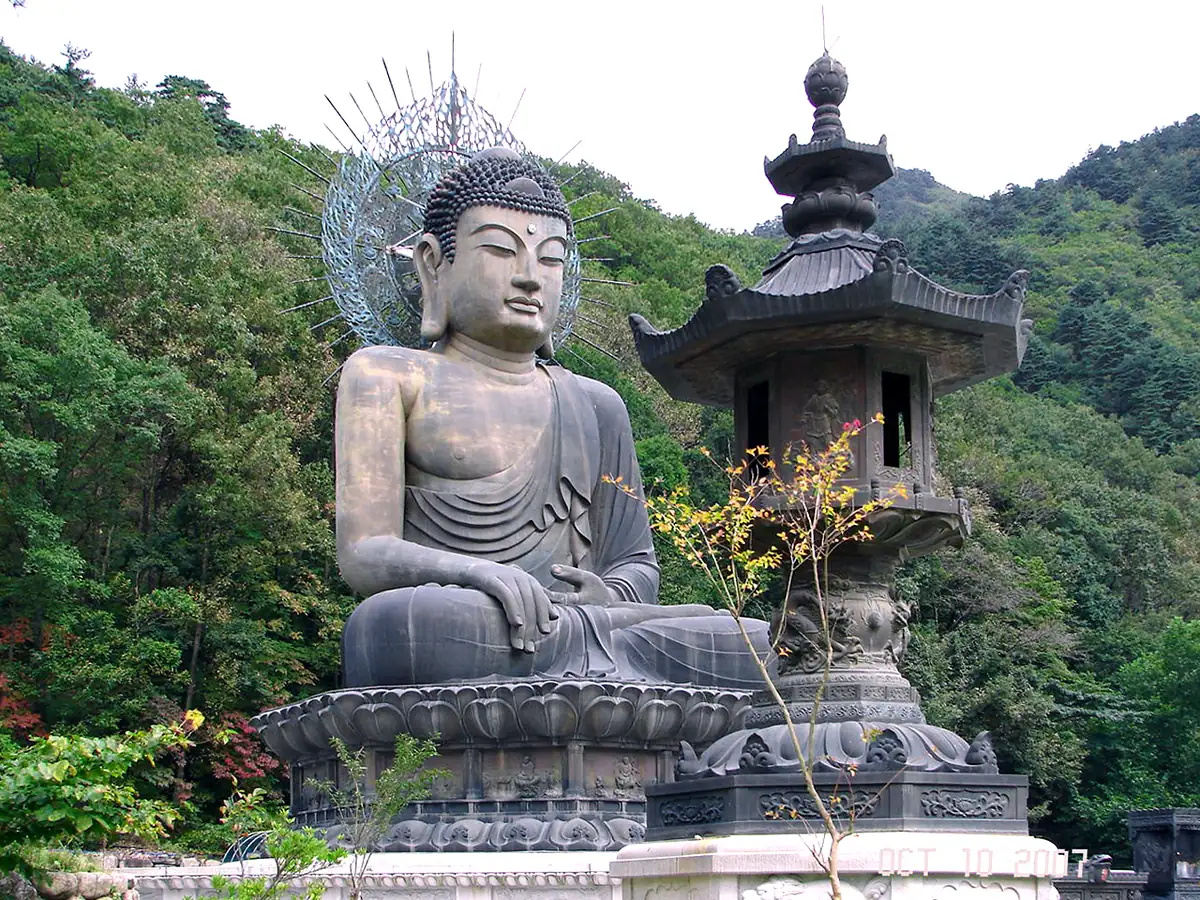 3 hr for both
Sinheungsa and the Unification Buddha
The Jogye Order head temple just inside Seoraksan’s Sogongwon gate, rebuilt on this site in 1648.
See the detail →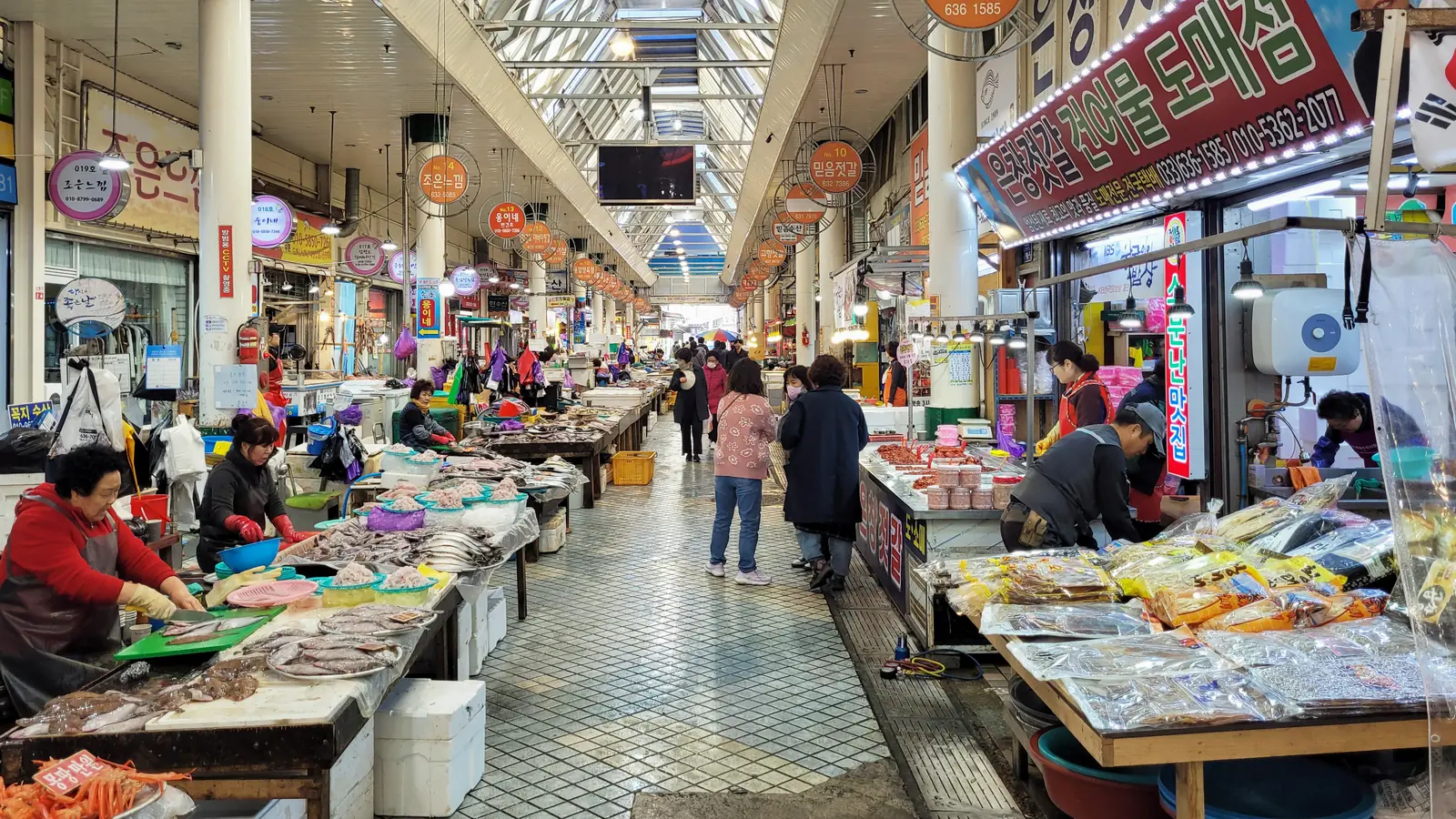 3 hr for both
Sokcho Tourist & Fishery Market and dakgangjeong
About 450 shops, with fish in the basement, dried squid and the chicken alley where dakgangjeong, sweet-chilli fried chicken, is sold by the box.
See the detail →