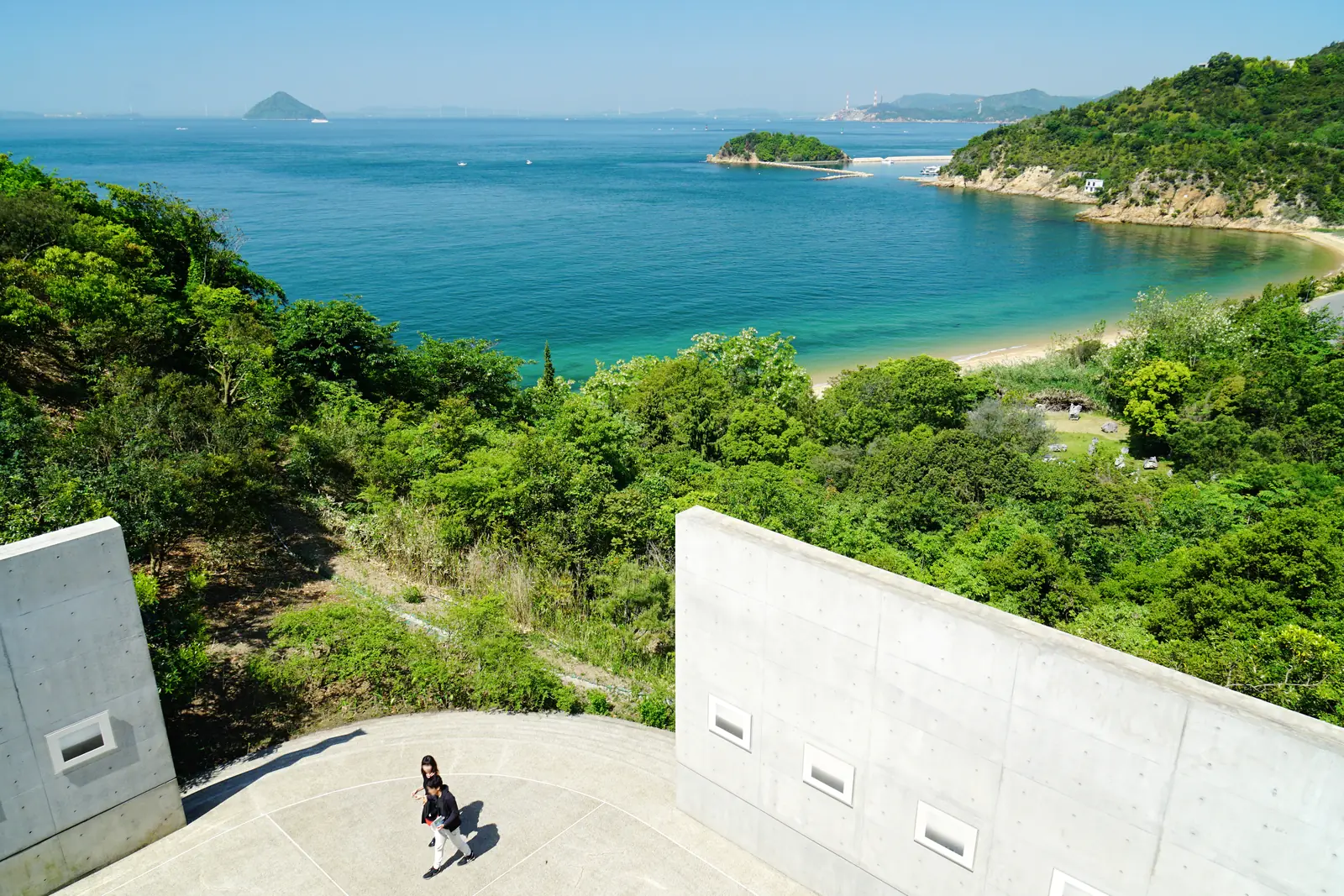
Tap a photo to see it large. 8 photographs, each credited.
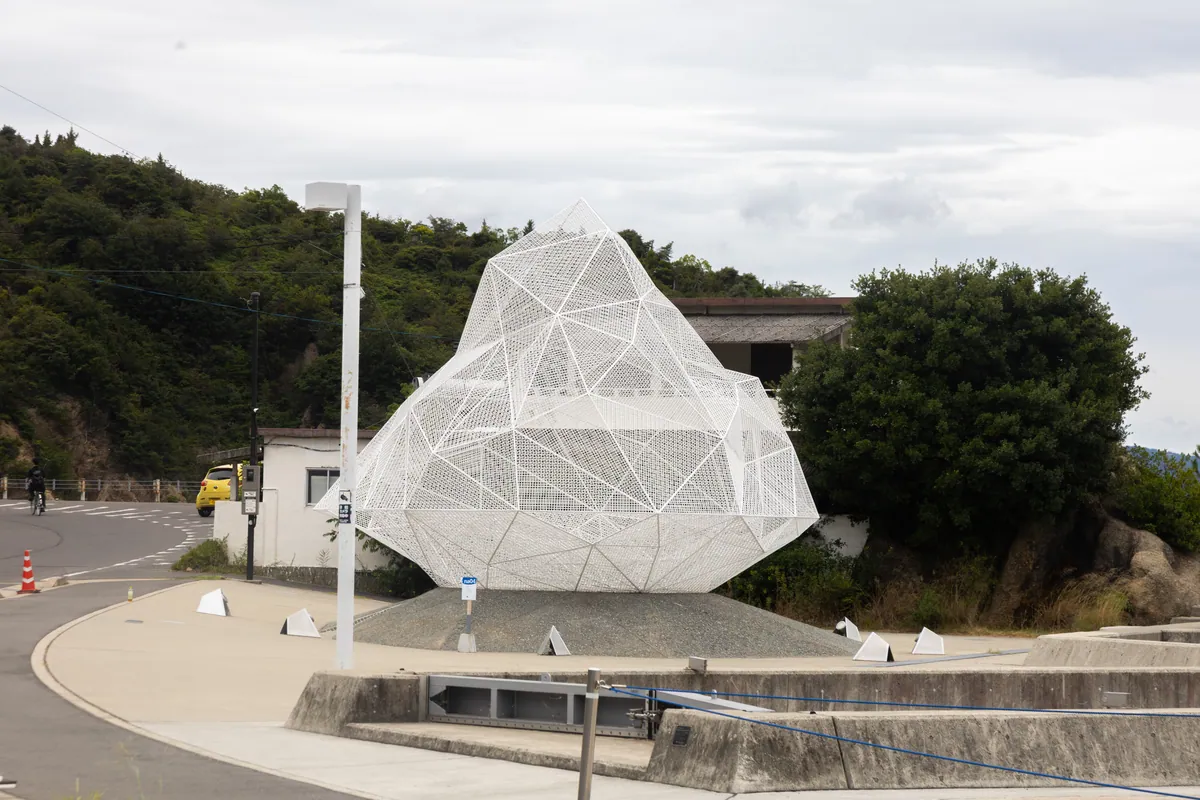
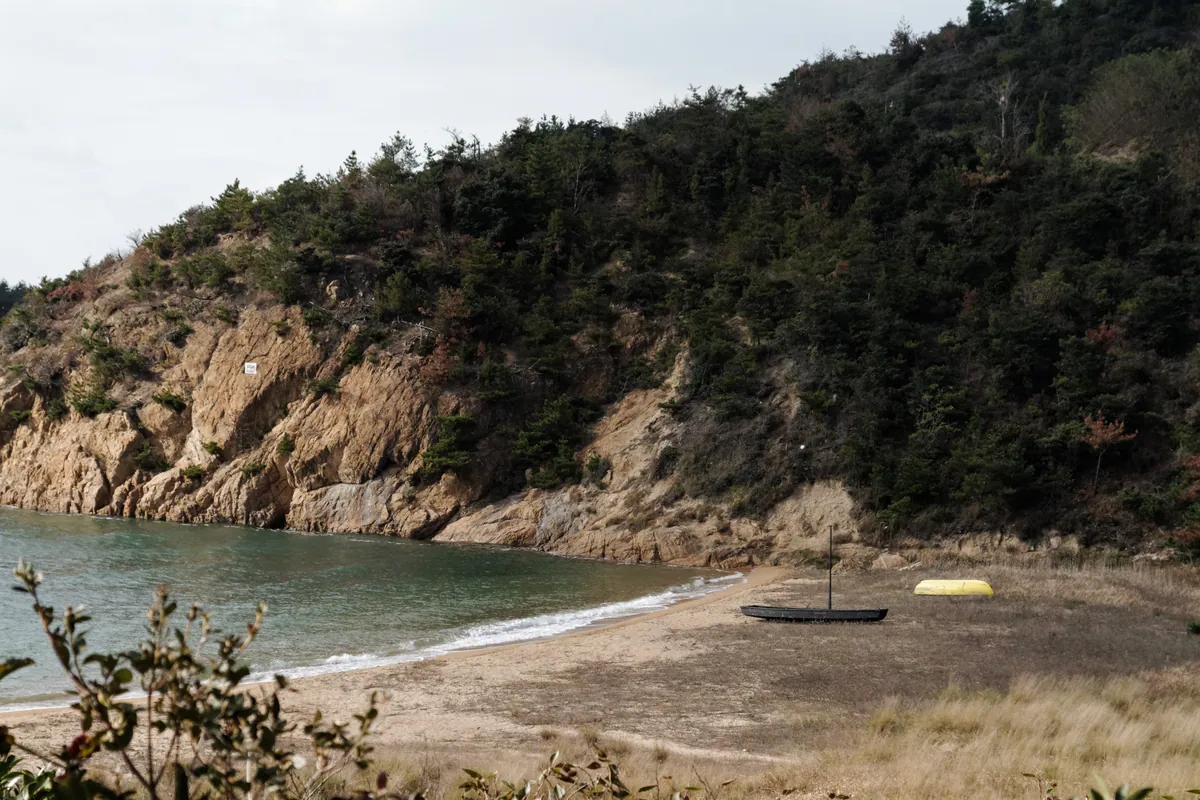
A copper-smelting island turned over to contemporary art from the 1990s: Tadao Ando concrete sunk into the hillside so nothing breaks the skyline, a Kusama pumpkin on the jetty, and old houses converted one at a time in Honmura.
Depopulated, industrially damaged, and then rebuilt around museums
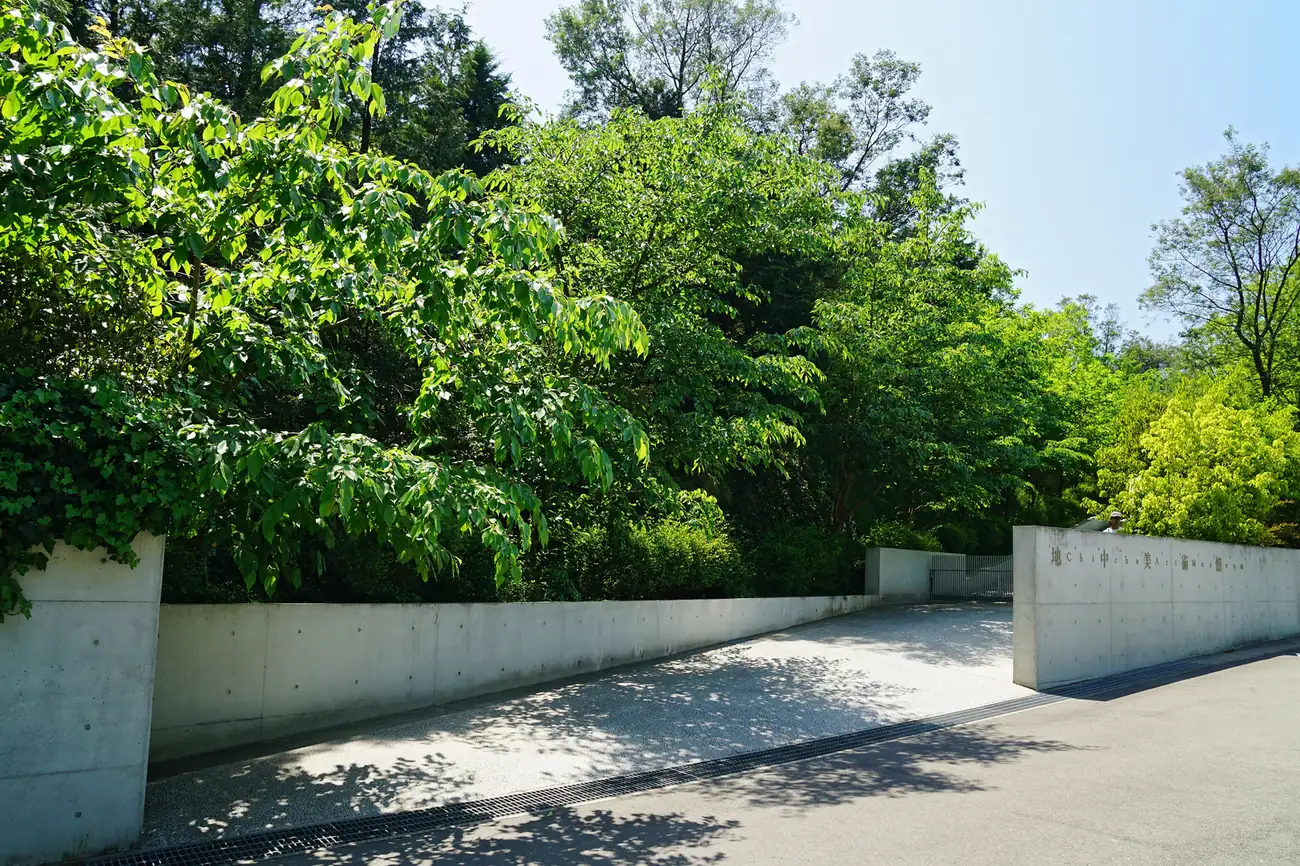
An industrial island that was failing until Benesse began commissioning art here in the late 1980s, including three Tadao Ando buildings and James Turrell and Walter De Maria installations placed underground. The Chichu museum is lit only by daylight. It is the reason the Setouchi Triennale exists.
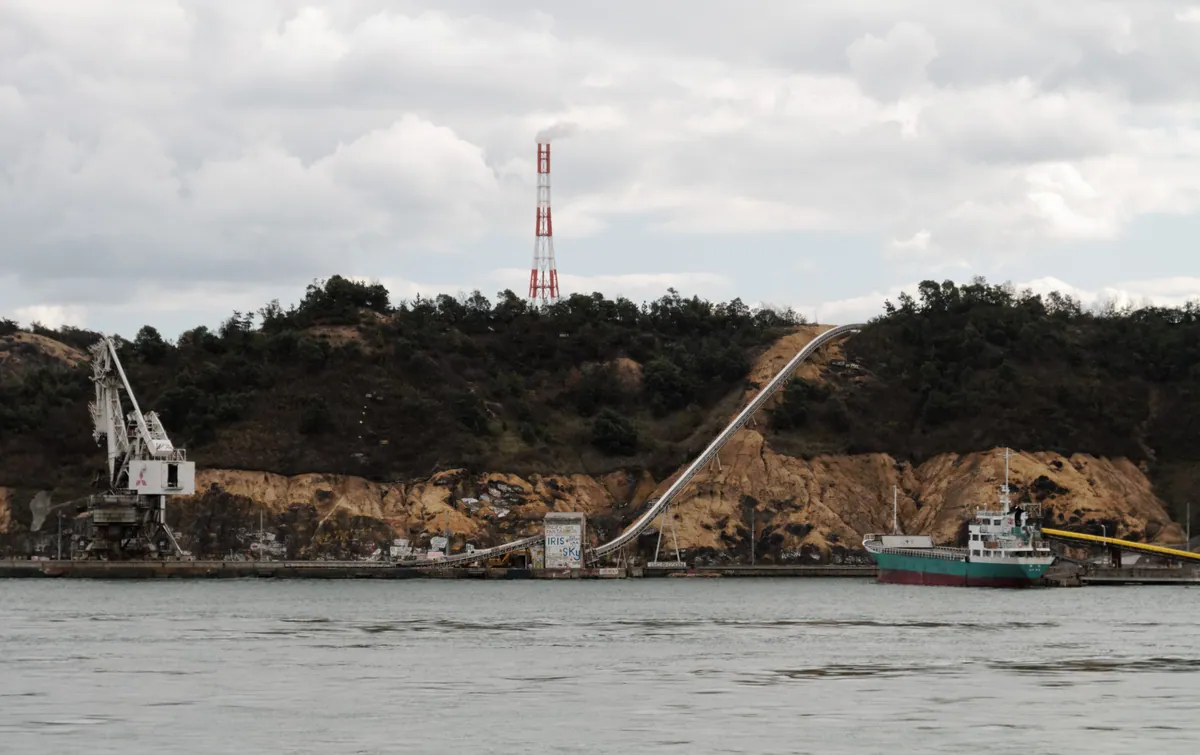
Naoshima refined copper and poisoned its own hillsides. Teshima was used as an illegal industrial waste dump for over a decade. Both islands were emptying. Then someone decided to put world-class contemporary art on them, and it worked — which is a much stranger story than the pumpkin on the jetty suggests.
Naoshima refined copper for most of the twentieth century and was left with a damaged landscape and a shrinking population. From the late 1980s an education company began buying land and commissioning buildings, and the island was gradually rebuilt around contemporary art.
Tadao Ando’s museums are sunk into the hillsides so that almost nothing breaks the skyline — Chichu is essentially underground, lit by daylight shafts. In Honmura village, old houses have been converted one at a time, including a former dentist’s surgery with a Statue of Liberty inside it.
Islands damaged and emptying
And commissions Tadao Ando
Underground, lit by daylight shafts
A shell with no exhibits, and twelve islands
On a short call take Megijima or Ogijima instead. Twenty to forty minutes out, real art, and nobody there.
Both pins on one map, so the distance is a fact rather than a feeling.
Counted from the moment you step off the gangway. The hour before all-aboard is not in this bar; it is already set aside.
55 minutes each way is the honest figure for ferry ~50–60 min, not the optimistic one. If your ship is late, cut the 5 hr 10 min in the middle. Never cut the hour at the end.
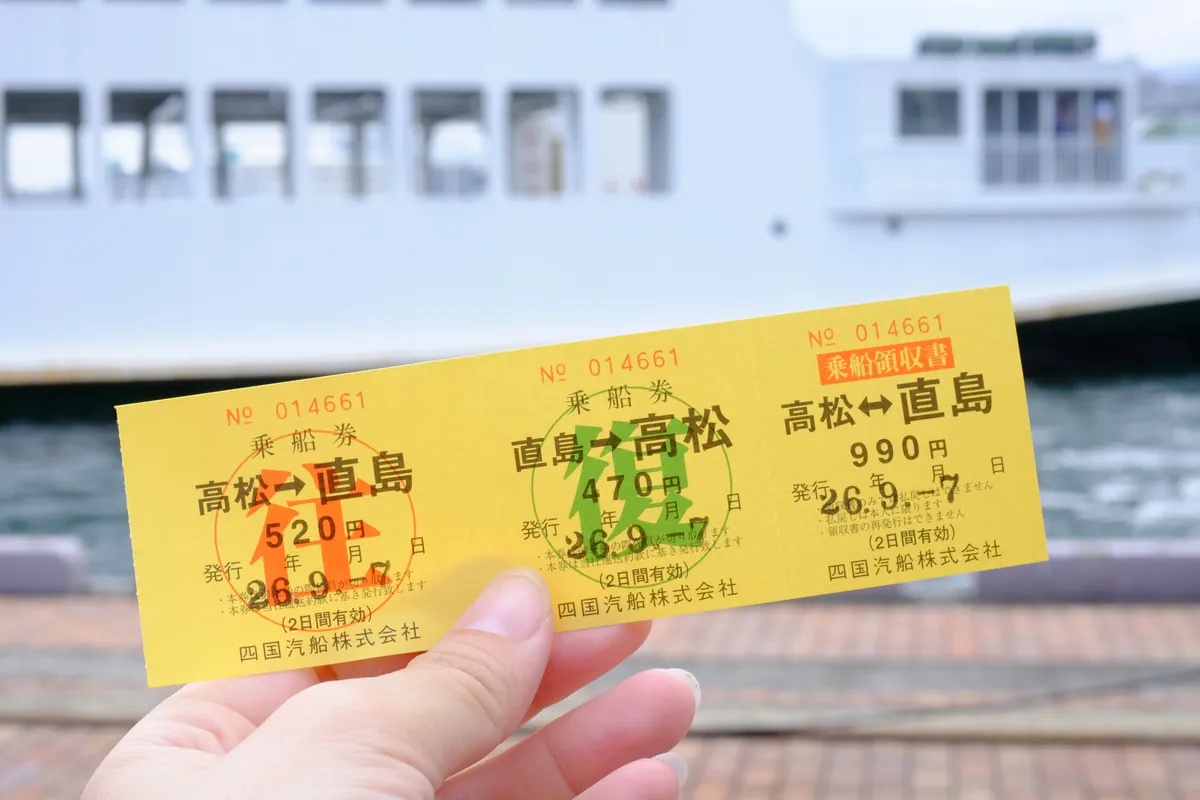
Only on a call of eight hours or more. The ferry is fifty to sixty minutes each way from the same pier your ship uses, and the museums need three to four hours. On a shorter call, Megijima or Ogijima are twenty to forty minutes out, also carry Setouchi Triennale art, and are nearly empty.
Chichu Art Museum requires a timed ticket booked online ahead of arrival, so do it before you leave home. Most of the island’s museums also close on Mondays — check that against your call date before building a plan around them.
Each one is a finished day we have walked and timed, with this stop in it. Read the route rather than assembling it yourself.
Each of these still lands you back aboard with the hour to spare.
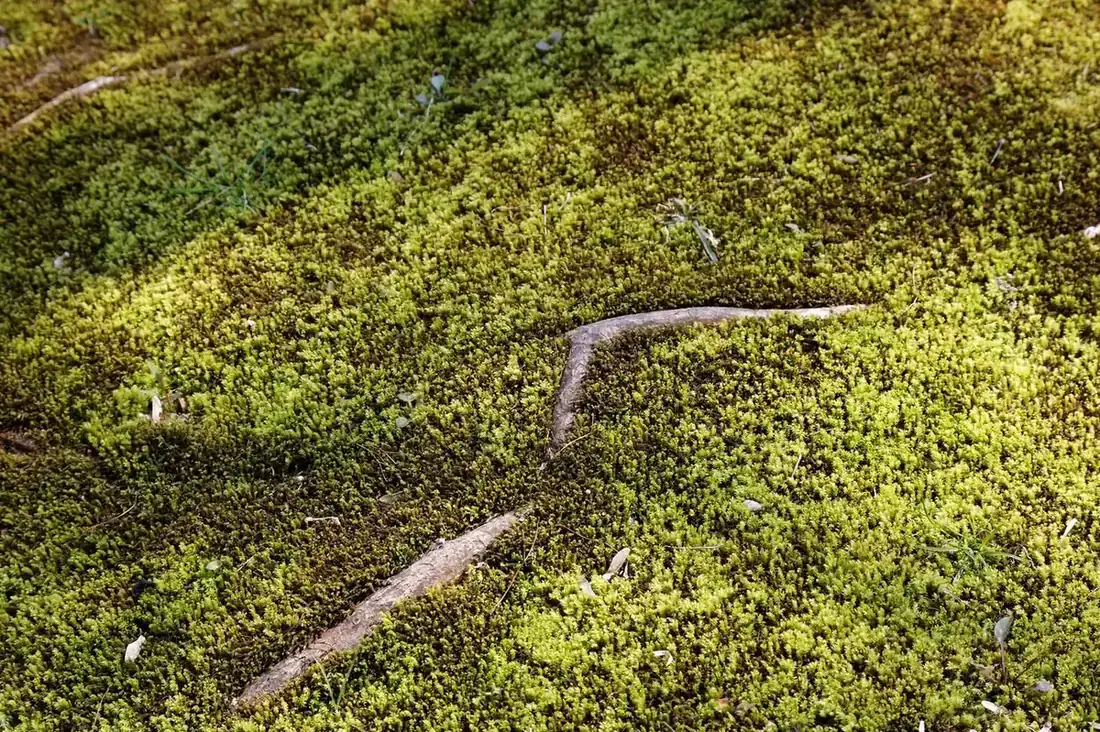 See · ~3h
Seventy-five hectares, sixteen ponds, thirteen landscaped hills and Mount Shiun standing behind it as borrowed scenery.
See the detail →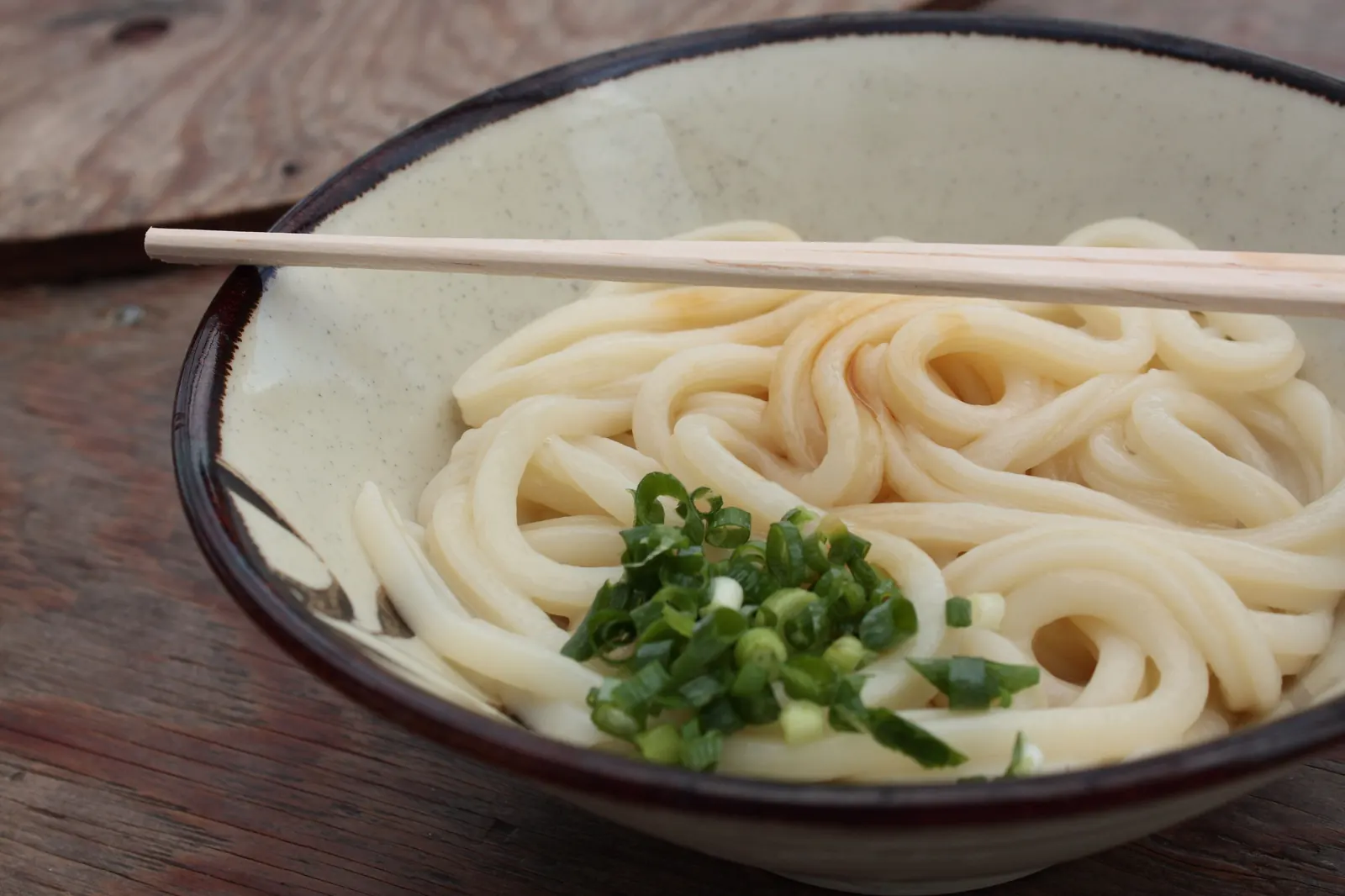 Eat · ~1.5h
Kagawa eats more udon per head than anywhere in Japan.
See the detail →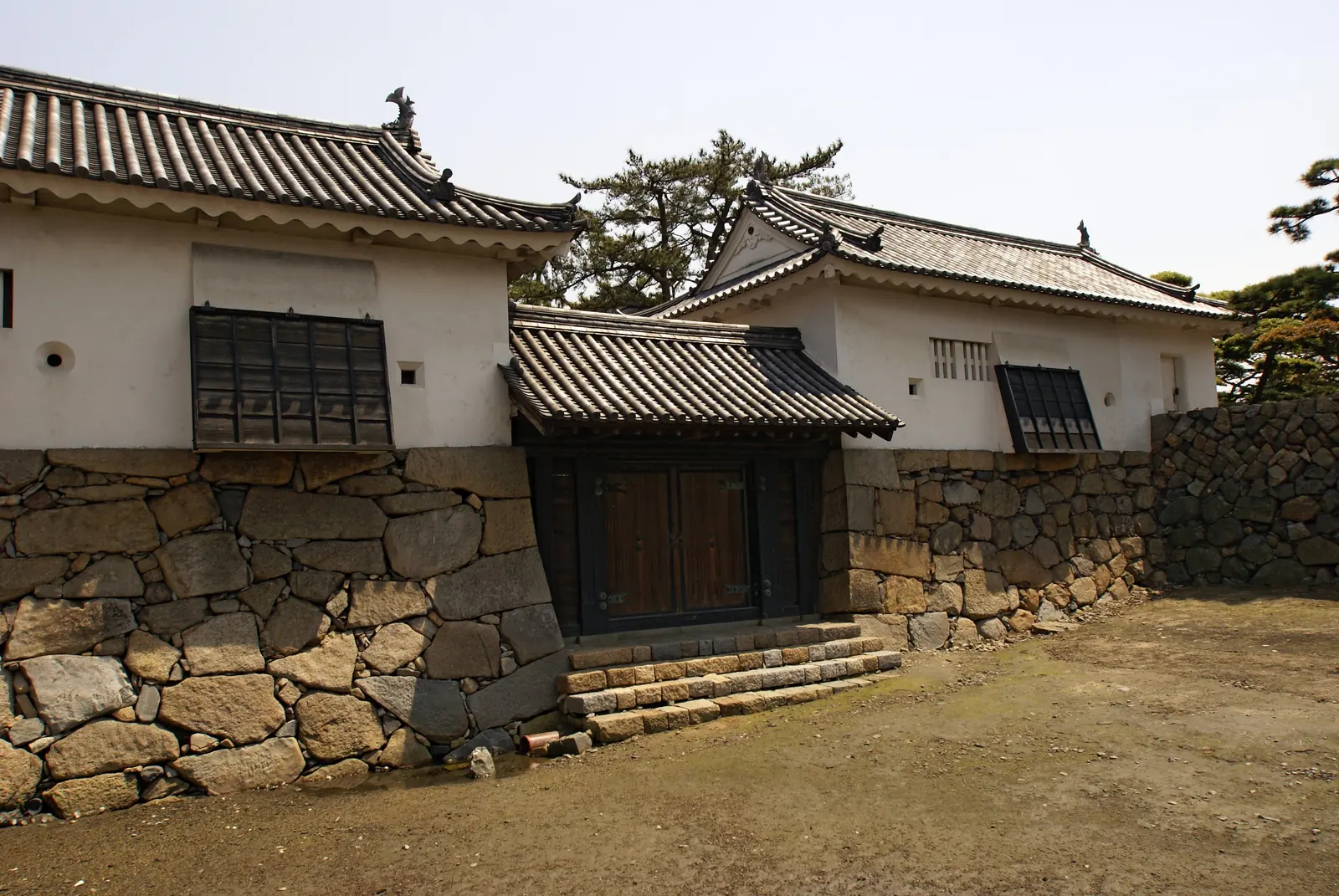 See · ~1.25h
One of only three Japanese castles moated with seawater, taken directly from the sea.
See the detail →No typing needed — jump straight in:
Just docked? — the gangway toolStart from your shipThe ride from every berthAsk the editorGlossary