PORT OF JAPAN
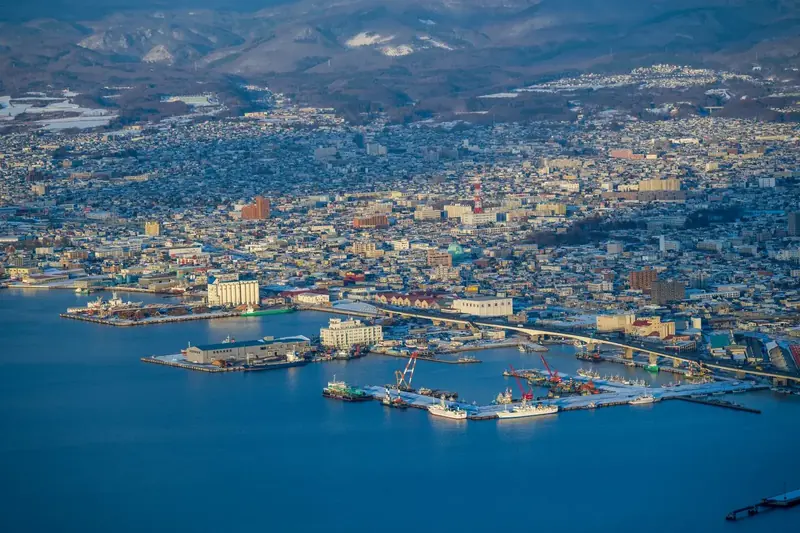
The night view over Hakodate and its twin bays

Home / Ports / Hakodate / Culture

Culture & history · Hakodate

Why Hakodate is Hakodate

The things that happened here and only here, told properly, then tied to what you can see, taste and book while your ship waits.

Photo: 掬茶 / CC BY-SA 4.0

Checked against official sources · updated · Takumi Yamada

What Hakodate is

Hakodate in 5 stories

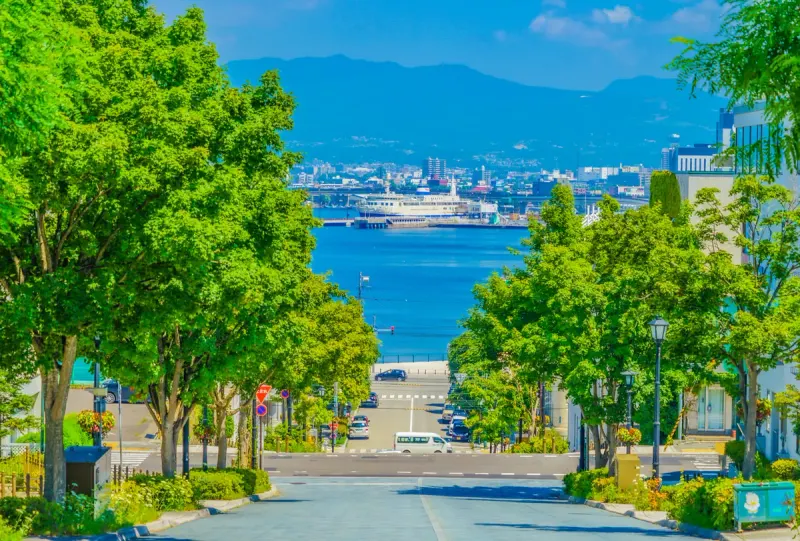
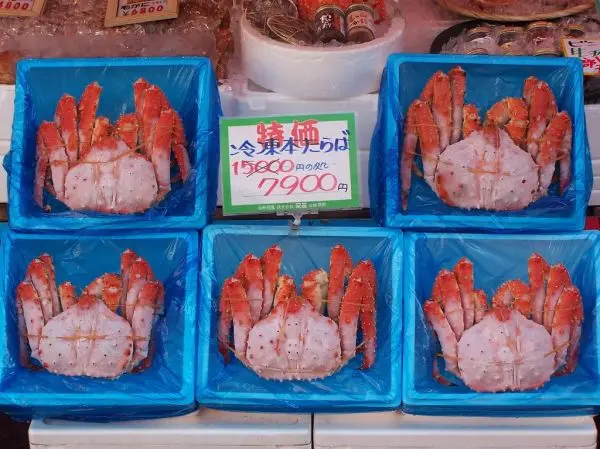
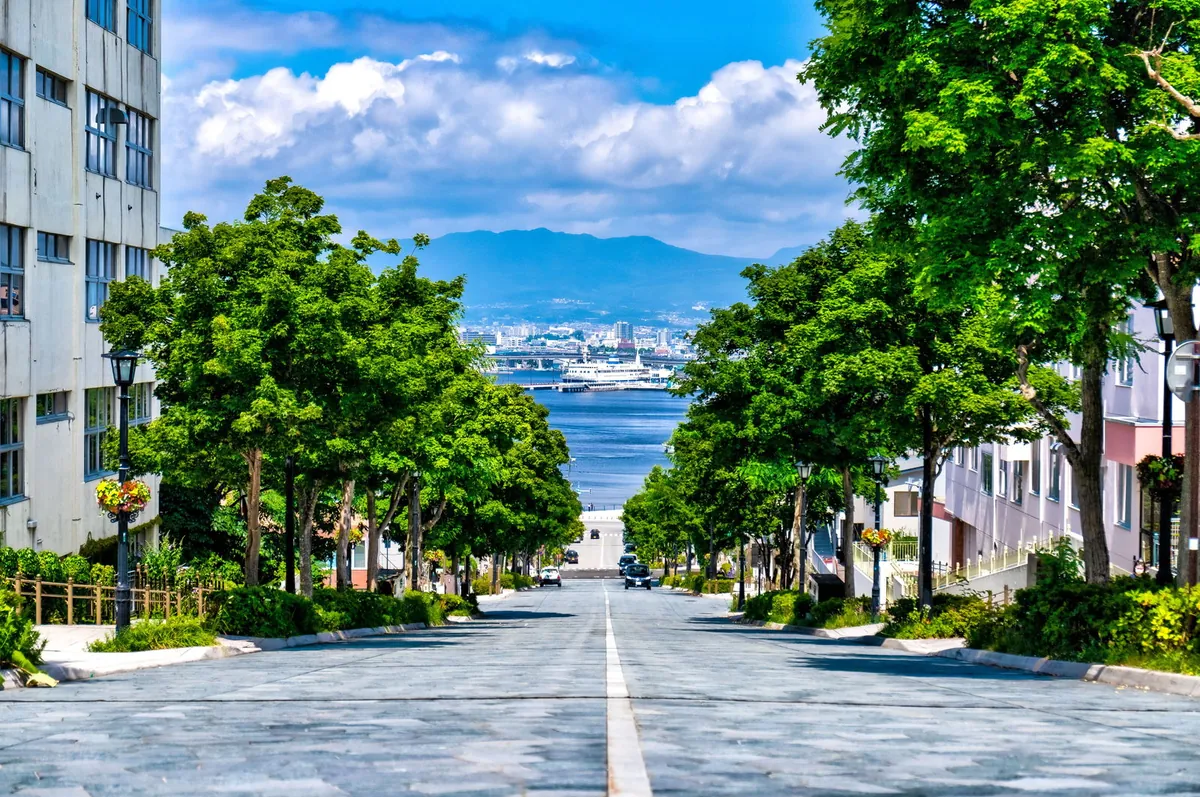
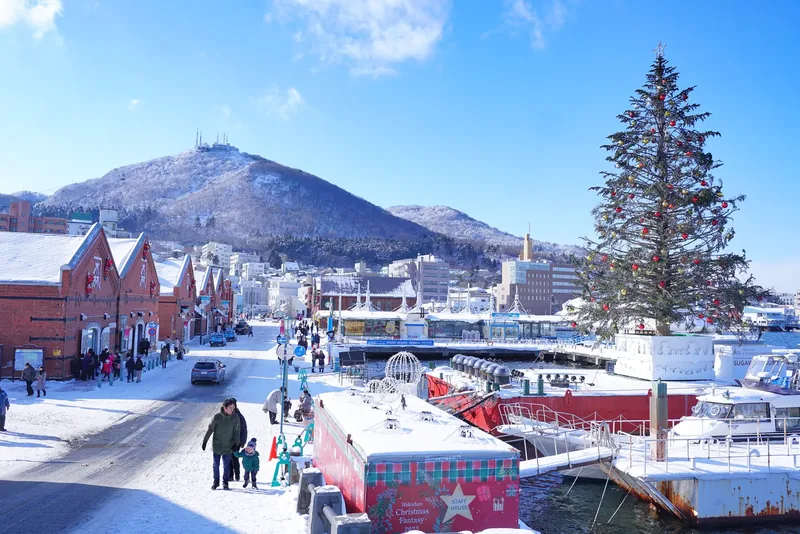
Hakodate is a compact port town in Hokkaido, filling a narrow isthmus between two bays, and one of the two ports Japan opened to the world in 1854. It is known for the Morning Market's crab, scallop and sea urchin breakfasts, for the night view from Mt Hakodate, and for Goryokaku, a star-shaped fort. On two calls in three your ship docks at Wakamatsu Wharf, three minutes' walk from the market, with the Motomachi slopes and red-brick warehouses beyond.

The brick and Western-style streets of Motomachi, Hakodate
01 · The history

The opening of Japan

Japan opened two ports to the world in 1854, and this was one of them — not for trade, but as a filling station for American whalers. Everything the city looks like today follows from that, and from three catastrophic fires.

Read the story
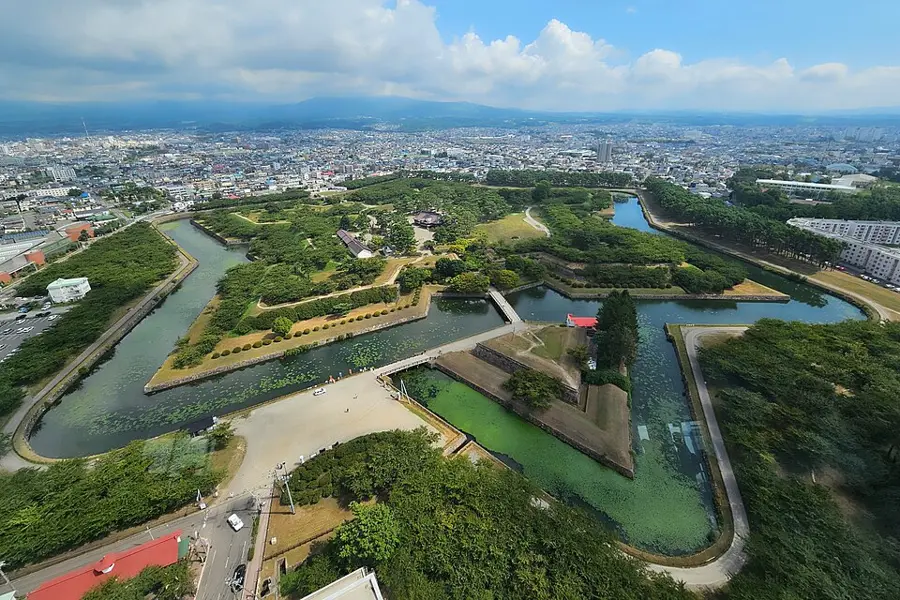
The star-shaped moat of Goryokaku seen from above
02 · The last stand

Goryōkaku

In the winter of 1868 a defeated navy sailed north, occupied a European-style fortress, and held what may have been the first election in Japanese history. Then they lost, and with them went the samurai era.

Read the story
Hakodate harbour and the isthmus seen from above
03 · The first people

The Ainu

Hakodate was built over a village called Usukeshi in 1454. Three years later the first great uprising began, over a knife. Everything on this hillside sits on top of a story most visitors are never told.

Read the story
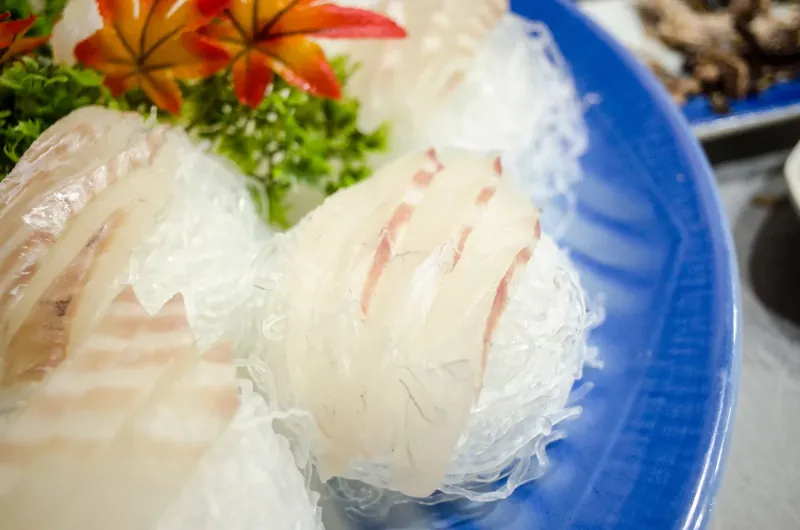
A plate of sashimi (stock photo)
04 · The sea

Why the seafood here is better

Ask why Hokkaido uni tastes better and most guides say "the cold water." That is half an answer. The real one is that sea urchins eat kelp — and Hakodate is the single largest kombu producer in Japan.

Read the story
Hakodate harbour and the isthmus seen from above
05 · The table

The most Western city in Japan

The oldest Western restaurant in town opened in 1879 serving Russian food. A German-speaking butcher from Bohemia was saved by the German navy's appetite. And the best burger in Japan is sold by a chain that exists in exactly one city.

Read the story
The year in Hakodate

When to come, and what you'll find

Cruise seasons run spring to autumn, but the port changes underneath them.

AprilLate cherry blossom

Goryokaku's ~1,500 trees trace the star around late April, with evening illumination.

MayGreen, and the fog begins

Beautiful walking weather — but sea fog starts threatening the night view.

JuneSquid season opens; uni starts

Surume-ika returns, and the morning market's best months begin.

JulyPeak uni, peak fog

The best eating of the year, and the worst odds on the mountain.

AugustWarm and clear-ish

Hokkaido summer: gentle by Japanese standards, and the fog eases.

SeptemberThe sweet spot

Crisp air, squid still running, night-view odds at their best.

OctoberAutumn colour

Goryokaku turns; the slopes photograph beautifully in low light.

NovemberCold and clear

Scallops improving, crab returning, the air at its most transparent.

Dec–MarWinter

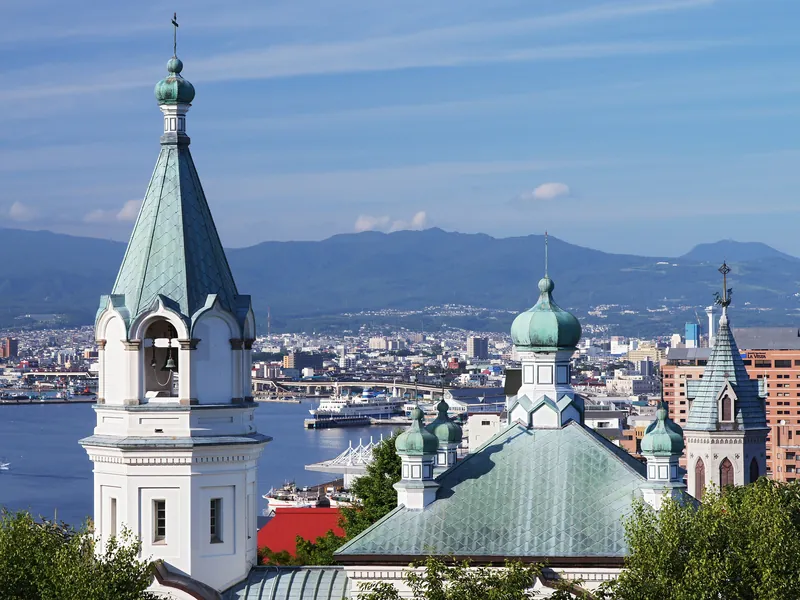
Deep snow and the year's best crab — but the Orthodox church closes to visitors.

Read the culture, then plan the clock: the Hakodate day plans and the Top 10 turn all of this into a day that ends at the gangway with an hour to spare.