Whose island this was, and what a visitor should understand
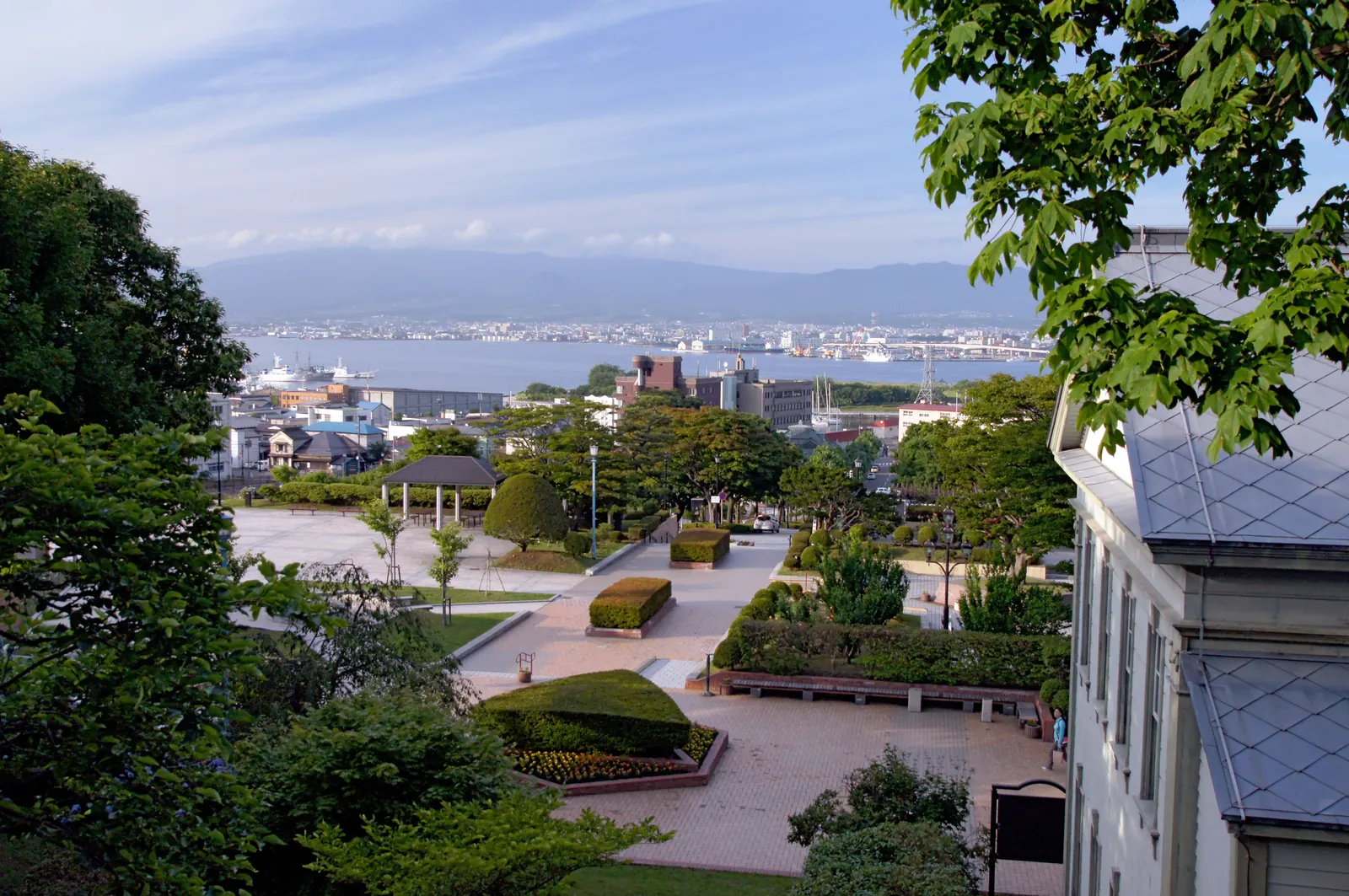
Hakodate was built over a village called Usukeshi in 1454. Three years later the first great uprising began, over a knife. Everything on this hillside sits on top of a story most visitors are never told.
The Ainu are the indigenous people of Hokkaido, Sakhalin and the Kuril Islands. The word means "human." They call the homeland Mosir.
A survey by the Hokkaido government in 2017 counted 13,118 people in the prefecture who identify as Ainu. An earlier survey found more. The true figure is unknowable, and the reason is itself part of the history: decades of discrimination taught many families to conceal their heritage, and many decline to answer surveys at all.
In 1457, in this area, an Ainu boy ordered a knife from a Japanese blacksmith. The work was poor and the price extortionate. In the argument that followed, the blacksmith stabbed and killed the boy. The war that followed is named for the Ainu leader Koshamain.
English accounts of Ainu history usually begin with Shakushain's Revolt in 1669 — the larger uprising, and the turning point after which Japanese dominance of the island was effectively settled. But the first one started where you are standing, three years after Hakodate got its Japanese name.
A monopoly is the engine of the whole story: in the early 1600s the shogunate granted the Matsumae clan exclusive rights to trade with the Ainu. Everything that follows follows from that.
In 1869 Ezo was renamed Hokkaido and a colonisation board was established. In 1899 the Diet passed the Hokkaido Former Aborigines Protection Act — the title itself contains a slur — which prohibited the Ainu from speaking their language and practising their religion, and pushed forced assimilation and agriculture.
That law stood for ninety-eight years. It was repealed in 1997 by an act that promoted Ainu culture while stopping short of recognising the Ainu as a people with rights. Only in 2019 did Japanese law finally identify the Ainu as an indigenous people of Japan.
And that 2019 law was widely criticised — one analysis is titled "No Rights, No Regret." It contains no apology, and no recognition of self-determination or of land and resource rights in the sense the UN declaration means. It funds culture, tourism and industry, and it eases permission for traditional salmon fishing and for taking timber from national forests for ritual use. It is a milestone and it is contested, and both halves belong in the same sentence.
Kamuy is usually translated "gods," and the translation misleads. Kamuy are spirits present in fire, water, thunder, bears, salmon, and in everyday tools — beings with agency rather than deities on a throne.
The bear ceremony, iomante, is the element most often sensationalised. In the Ainu frame it is a sending, not a sacrifice: a cub is raised within the community, treated as family, and then ceremonially returned to the spirit world carrying gifts and gratitude, because the kamuy had come visiting in the body of a bear. The practice of killing a raised cub was banned administratively in 1955 and the prohibition rescinded in 2007; where it is performed today it generally uses an already-dead animal. The staged versions in tourist villages are ethnographic reconstructions, and some Ainu voices have criticised them for prioritising spectacle.
The attush robes are woven from elm bast fibre, their geometric appliqué concentrated at collar, cuffs and hem — understood as protective, turning away malevolent spirits at the openings. Women's mouth tattoos were begun around age twelve and completed over roughly three years; the practice was banned by the Meiji government, and no living Ainu woman bears them traditionally. Speak about them in the past tense, and know why the tense is what it is.
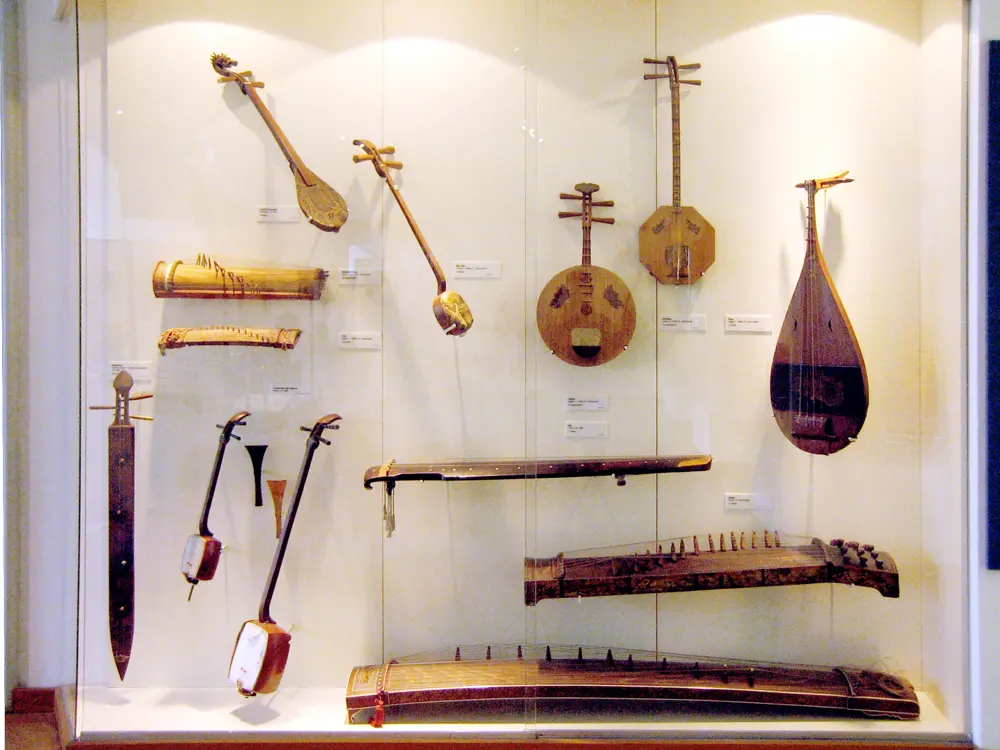
This is the fact that changed how I think about it. In the Motomachi district, ten minutes from the cruise-relevant sightseeing core, the Hakodate City Museum of Northern Peoples holds around 750 items of Ainu daily life — and among them, ezo-nishiki: Qing dynasty Chinese court silk, which reached Hokkaido through Ainu trade networks running up through Sakhalin and the Amur.
Chinese official robes, in a Hokkaido museum, carried by the people usually described as isolated. They were not isolated. They were the northern trade route, moving goods between China, Sakhalin and Japan long before anyone opened a treaty port.
The national museum, Upopoy, opened in Shiraoi in 2020 and is excellent — and it is two and a half to three hours each way from Hakodate. Several English pages imply it is an easy add-on from here. It is not, and on a port day it will cost you your ship.
The right answer for a Hakodate call is the Museum of Northern Peoples in Motomachi: in the former Bank of Japan building of 1926, walkable from the Suehirochō tram stop, admission a few hundred yen, with the Ainu collection, the Qing robes, an Aleut otter-hunting kayak, and hands-on sessions where you can make and play a traditional instrument.
Roughly four in five Hokkaido place names derive from Ainu. Sapporo comes from words meaning a big dry river; Otaru from a river running through a sandy beach. Learn one element — pet, "river," which became -betsu — and you will see it on every map of this island: Noboribetsu, Monbetsu, Ashibetsu.
And Hakodate was Usukeshi, until 1454.
A Japanese manor in an Ainu fishing village; the name changes
Begins in this area after a blacksmith kills an Ainu boy over a knife
Exclusive rights to trade with the Ainu — the engine of everything after
The largest uprising, and the turning point toward Japanese dominance
A colonisation board is established
Bans the language and religion; forces assimilation. It stands for 98 years
Replaced by a law promoting culture — but not recognising a people with rights
The first such law in Japan — criticised for containing no apology and no rights
Japan's first national Ainu museum, in Shiraoi — 2.5–3 hours from Hakodate
The Museum of Northern Peoples in Motomachi is the honest Hakodate answer — walkable, and holding the Qing silks that prove the trade network. Upopoy is a land-trip destination, not a port-day one.
The indigenous people of Hokkaido, Sakhalin and the Kuril Islands, with their own language — a critically endangered isolate unrelated to Japanese — and their own religion centred on kamuy, spirits present in animals, elements and objects. A 2017 Hokkaido survey counted 13,118 people identifying as Ainu, though past discrimination means the real number is unknowable.
Yes — at the Hakodate City Museum of Northern Peoples in Motomachi, which holds around 750 items of Ainu daily life plus Qing dynasty Chinese silks that reached Hokkaido through Ainu trade networks. The national Upopoy museum is far better resourced but sits two and a half to three hours away in Shiraoi, which makes it a land-trip destination rather than a port-day one.
In 2019 — the first Japanese law to do so. Before that, the Hokkaido Former Aborigines Protection Act of 1899, which banned the Ainu language and religion, stood for ninety-eight years until its repeal in 1997. The 2019 law has been criticised for containing no apology and no recognition of land or self-determination rights.
The city was built in 1454 over an Ainu fishing village called Usukeshi, and takes its Japanese name from the box-shaped manor built there. Three years later, in 1457, the first major Ainu uprising — Koshamain's War — began in this area after a Japanese blacksmith killed an Ainu boy.
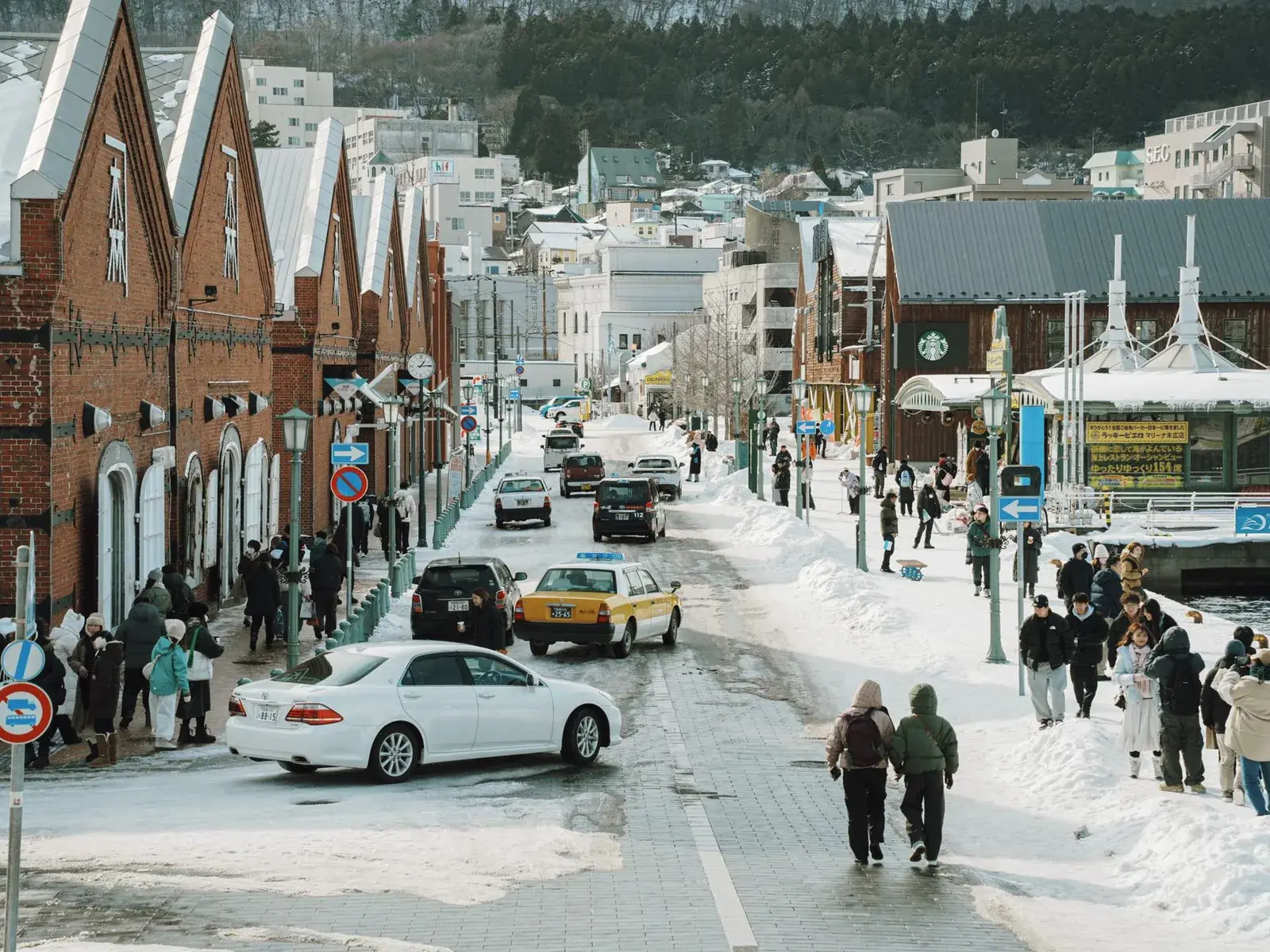
Why this city looks like nowhere else in the country
Read →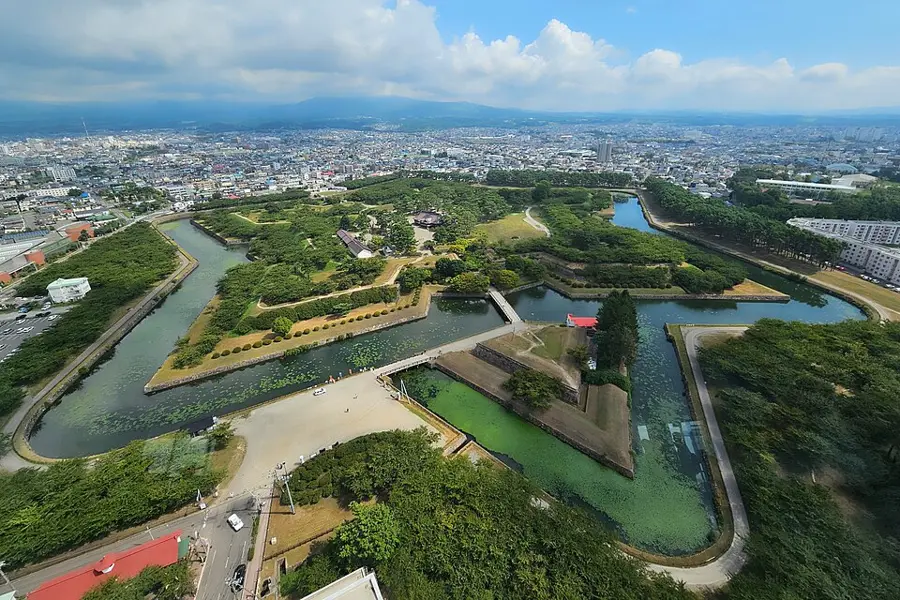
A French-style star fort, a five-month republic, and the end of the samurai
Read →
Cold water, kelp, and the town that supplies Japan's flavour
Read →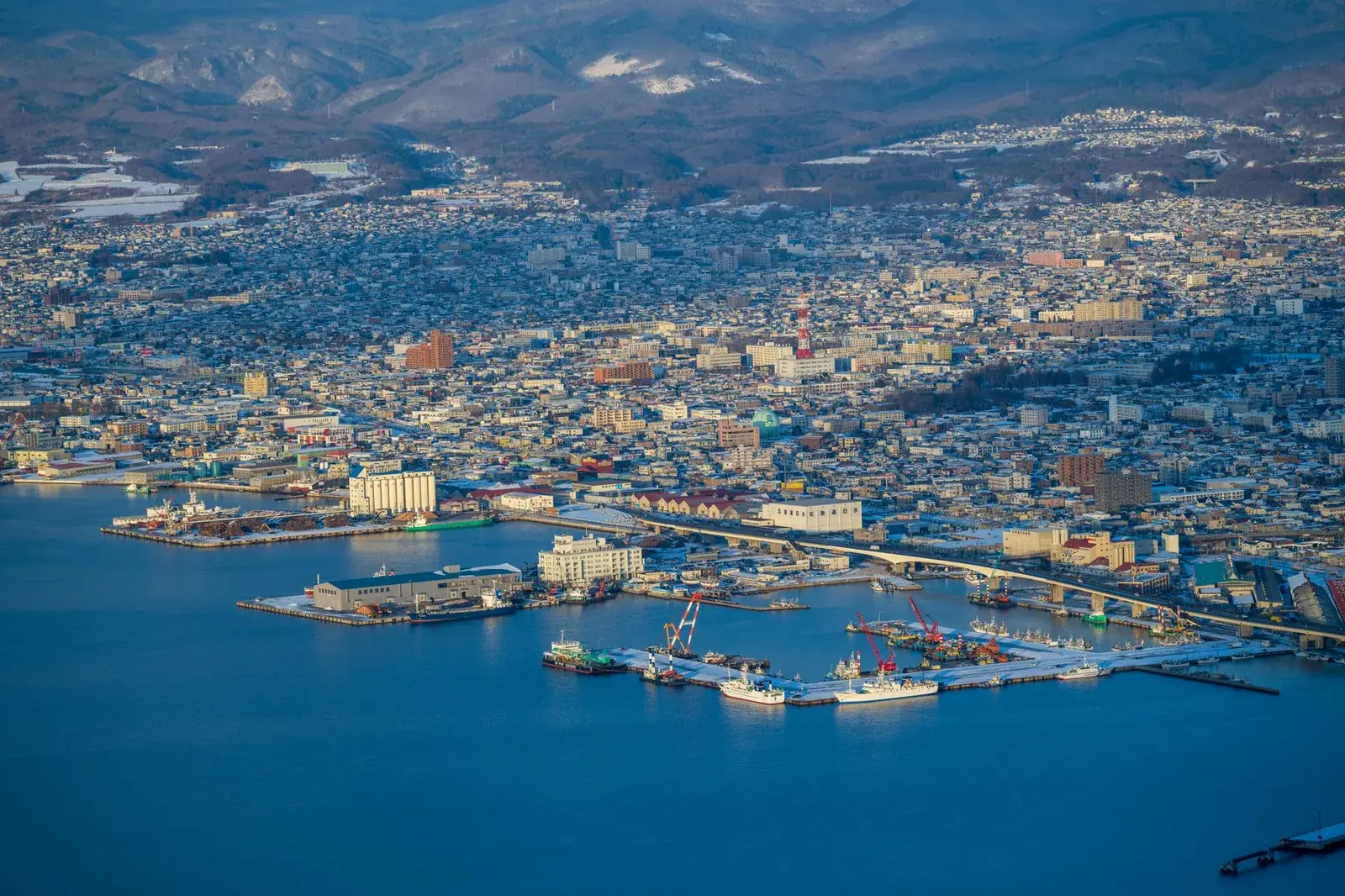
Russian curry, a Bohemian sausage maker, and a burger chain that refuses to leave town
Read →No typing needed — jump straight in:
Just docked? — the gangway toolStart from your shipThe ride from every berthAsk the editorGlossary