The city that was not the target
The bomb was meant for Kokura. Cloud saved that city and condemned this one — and it detonated over the district where Japan's Christians had finally been allowed to live.
At 11:02 on the morning of 9 August 1945, a plutonium bomb exploded roughly 500 metres above the Urakami valley in northern Nagasaki. Estimates of the dead by the end of that year run to about 74,000, with a similar number injured.
Nagasaki was not the primary target. The aircraft was sent to Kokura, and found it obscured by cloud and smoke. After three passes it turned to its secondary target. Nagasaki was overcast too; a break in the cloud opened at the last moment, and the bomb was released visually over a valley two miles north of the intended aiming point.
A gap in the clouds decided which city this was.
The Urakami valley is ringed by hills, and they contained the blast — one reason the destruction, though catastrophic, did not spread across the whole city as it had in Hiroshima's flat delta.
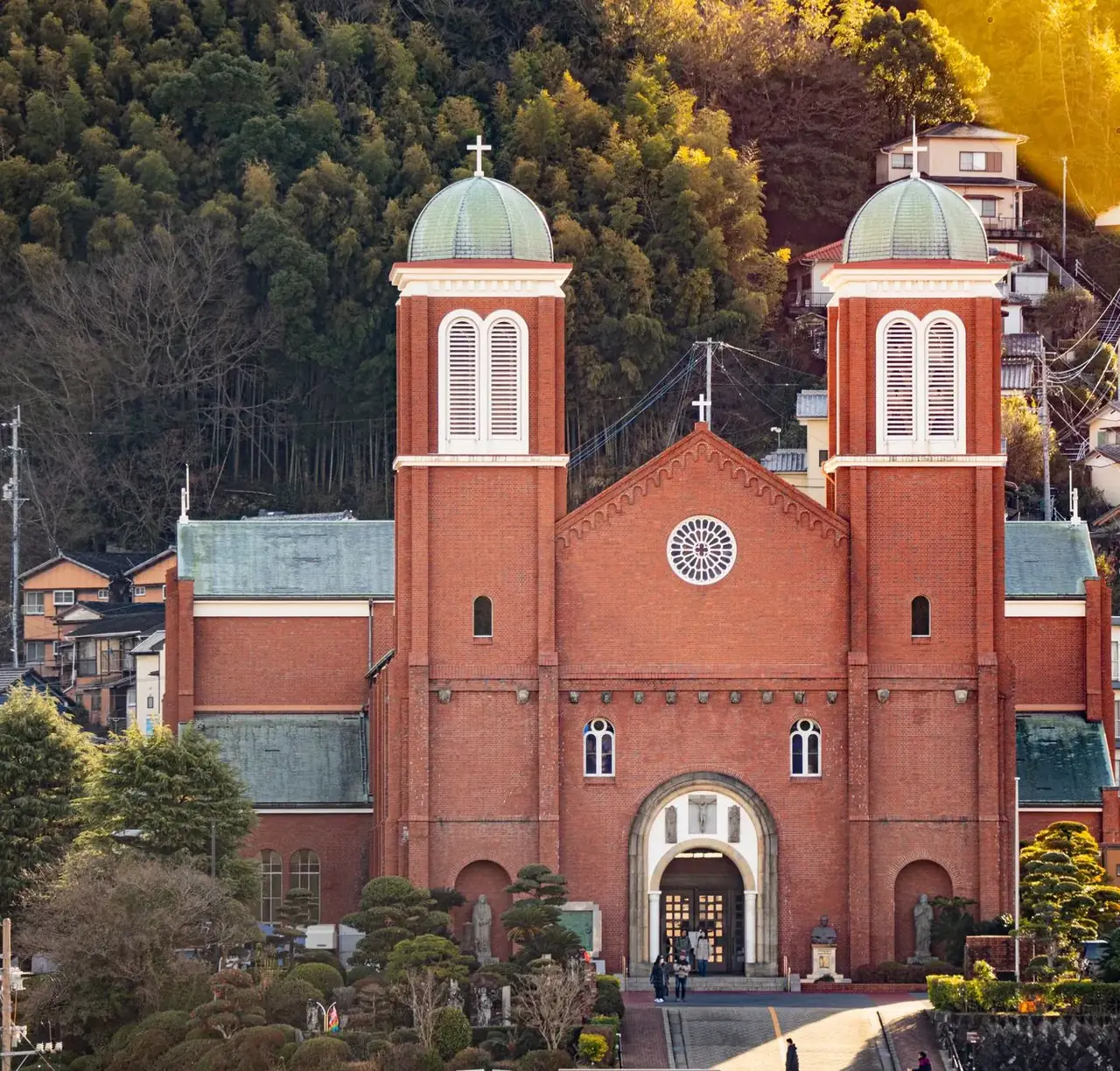
And the district it destroyed was Urakami: the Christian quarter, home to the community that had survived 250 years in hiding and been permitted to worship openly for barely seventy years. Urakami Cathedral, then the largest church in East Asia, stood about 500 metres from the hypocentre. It came down instantly. Two priests hearing confessions and their congregation were killed.
A remnant of the cathedral wall was left standing for years as a ruin, and the decision to remove it and rebuild rather than preserve it as a monument is still argued about in this city.
A radiologist at the Nagasaki Medical College, Nagai Takashi, was already dying of leukaemia from occupational radiation exposure when the bomb fell. His wife was killed; he found her rosary in the ashes of their house. Injured, he worked as a doctor in the ruins, then wrote from a two-metre-square hut called Nyokodō — "love your neighbour as yourself" — until his death in 1951.
His book The Bells of Nagasaki was for a time the most-read account of the bombing in Japan. His theology, which framed the destruction of the Christian quarter as a sacrifice, comforted many and disturbs others still. Both reactions are worth knowing before you read the plaques.
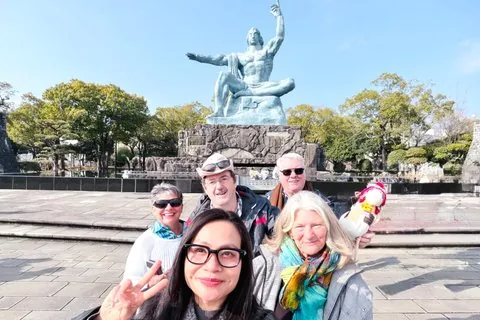
The Atomic Bomb Museum and the Peace Park sit at the northern end of the tram line, roughly twenty minutes from the wharf. The hypocentre is marked by a plain black pillar in a small park; near it stands the surviving one-legged torii of Sanno Shrine, half of a gate left upright by the blast, and a wall of Urakami Cathedral moved to the site.
Nagasaki's memorial is quieter than Hiroshima's and asks a different question. Hiroshima addresses the world; Nagasaki, having been chosen almost at random and having lost its most persecuted community, tends to address something smaller and harder — chance, and endurance.
About 500 m above the valley; Kokura, the primary target, was under cloud
With a similar number injured
Written from a two-metre hut while dying of leukaemia
One hand to the sky for the threat, one to the horizon for peace
The surviving ruin was removed — a decision still debated here
Rebuilt and expanded on the hillside above the hypocentre
The museum and Peace Park are a twenty-minute tram ride from the wharf. Go early, allow more time than you planned, and eat afterwards rather than before.
Kokura was the primary target on 9 August 1945, but cloud and smoke obscured it through three passes. The aircraft diverted to its secondary target, Nagasaki, which was also overcast — a last-minute break in the cloud allowed a visual release, over the Urakami valley about two miles north of the intended aiming point.
Estimates put the dead by the end of 1945 at around 74,000, with a similar number injured. The surrounding hills confined the blast to the Urakami valley, which is one reason the toll, though catastrophic, differed from Hiroshima's.
Allow two hours minimum for the museum, the hypocentre marker and the Peace Park, plus about twenty minutes of tram each way from the wharf. Do not plan anything demanding immediately afterwards — most visitors need a quiet lunch before the next thing.
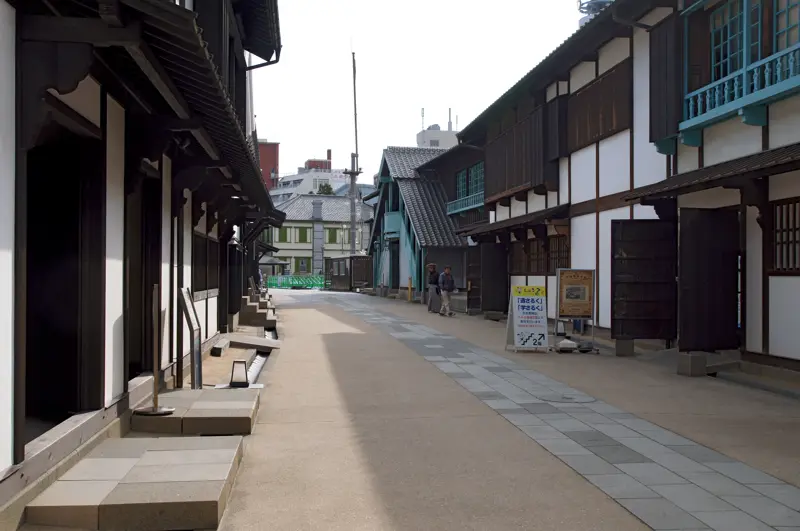
For two centuries, this fan of land was all Japan could see of the West
Read →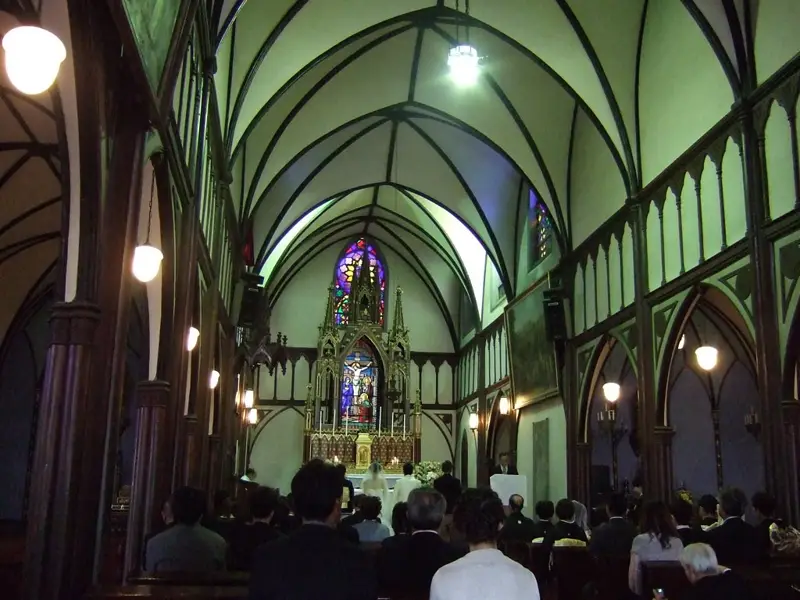
Seven generations in secret, and the day they walked into a church and said so
Read →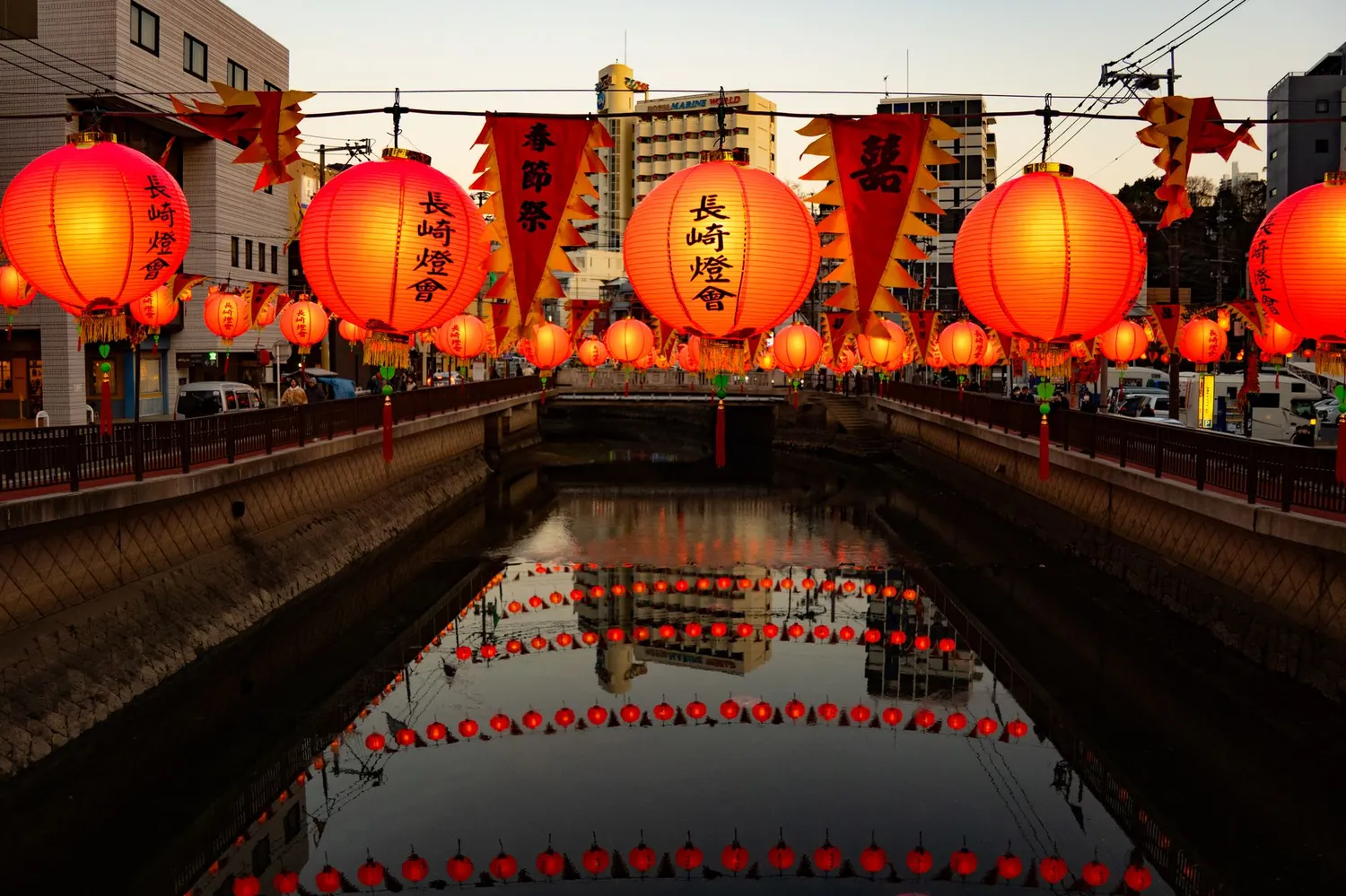
What happens when a port cooks for three countries at once
Read →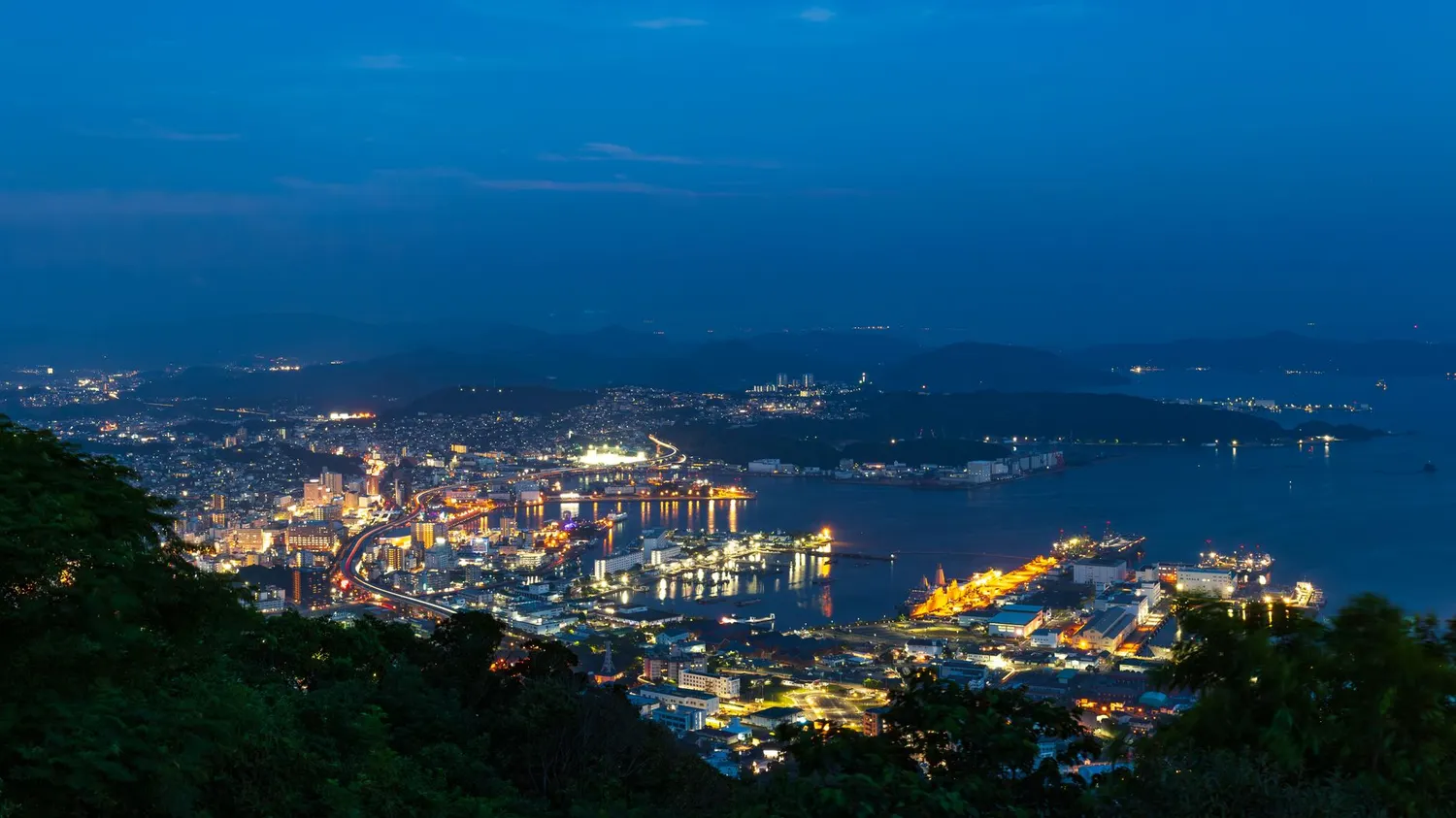
The most crowded place on earth, abandoned in a single season
Read →No typing needed — jump straight in:
Just docked? — the gangway toolStart from your shipThe ride from every berthAsk the editorGlossary