PORT OF JAPAN
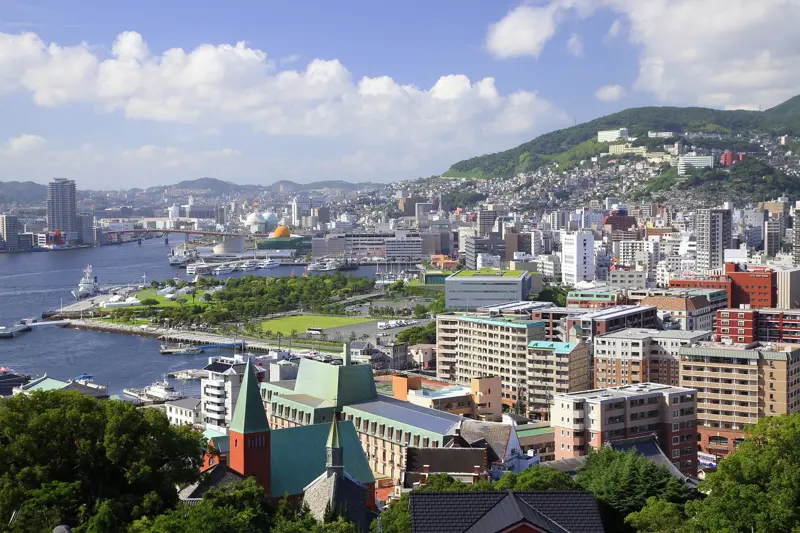
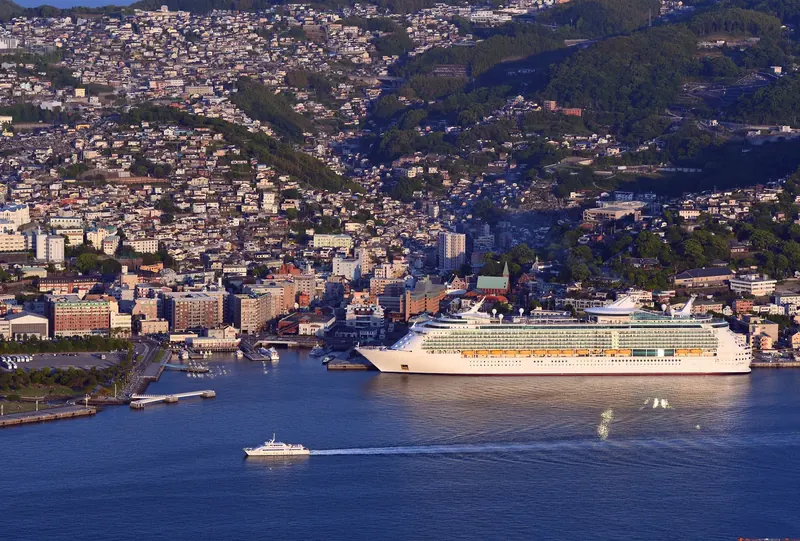
The harbor of Nagasaki with a cruise ship at the downtown pier

Home / Ports / Nagasaki / Culture

Culture & history · Nagasaki

Why Nagasaki is Nagasaki

The things that happened here and only here, told properly, then tied to what you can see, taste and book while your ship waits.

Photo: Adobe Stock / Licensed

Checked against official sources · updated · Takumi Yamada

What Nagasaki is

Nagasaki in 5 stories

Nagasaki is a harbour city of hillsides and trams, and for two centuries its small island of Dejima was all Japan could see of the West. It is known for 9 August 1945, remembered at the museum and the Peace Park, and for the hidden Christians who kept their faith secret for 250 years. Nine ships in ten tie up downtown at Matsugae, directly below Glover Garden's 1860s merchant houses, with the city starting at the gangway.

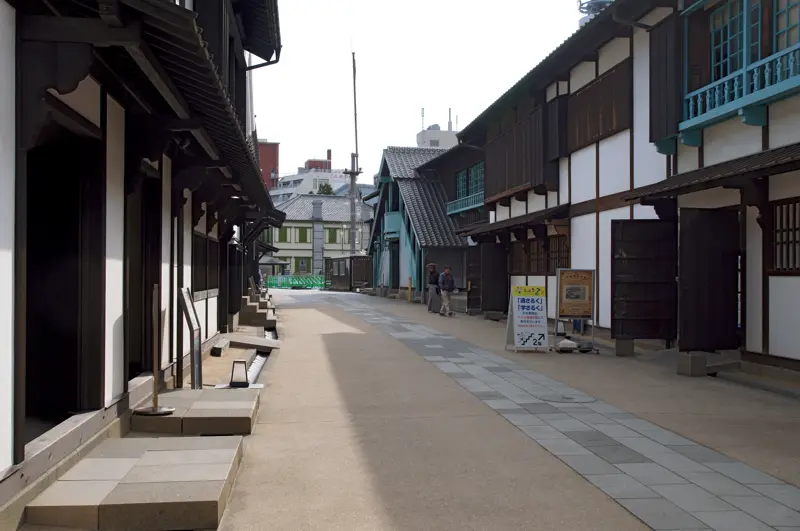
The reconstructed Dutch trading post of Dejima, Nagasaki
01 · The window

Dejima

An artificial island the size of a few tennis courts, built to quarantine foreigners — and through it came anatomy, astronomy, gunnery and the word for beer. Japan's entire knowledge of Europe passed across one small bridge.

Read the story
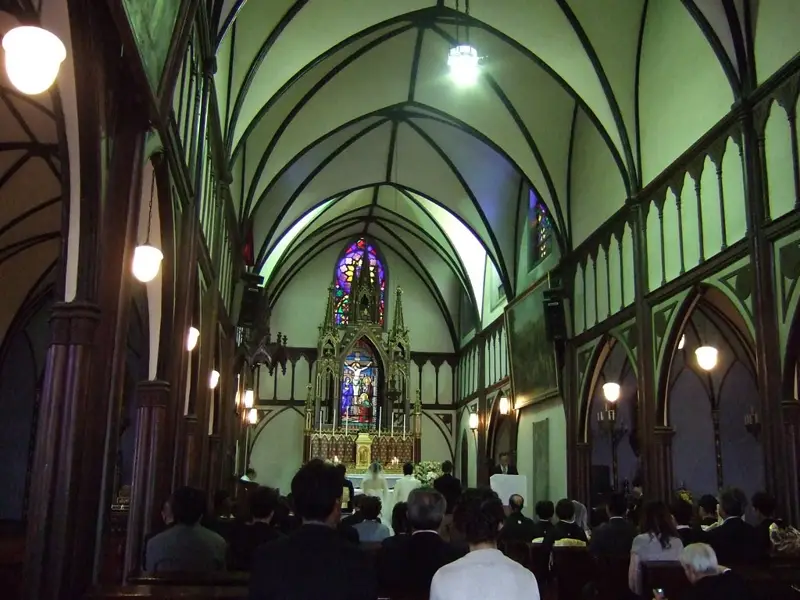
Oura Cathedral, Japan’s oldest church, in Nagasaki
02 · The faith

The Hidden Christians

Banned in 1614, hunted for 250 years, and still there in 1865 — when a group of farmers walked into a newly built church in Nagasaki and quietly told a French priest that their hearts were the same as his.

Read the story
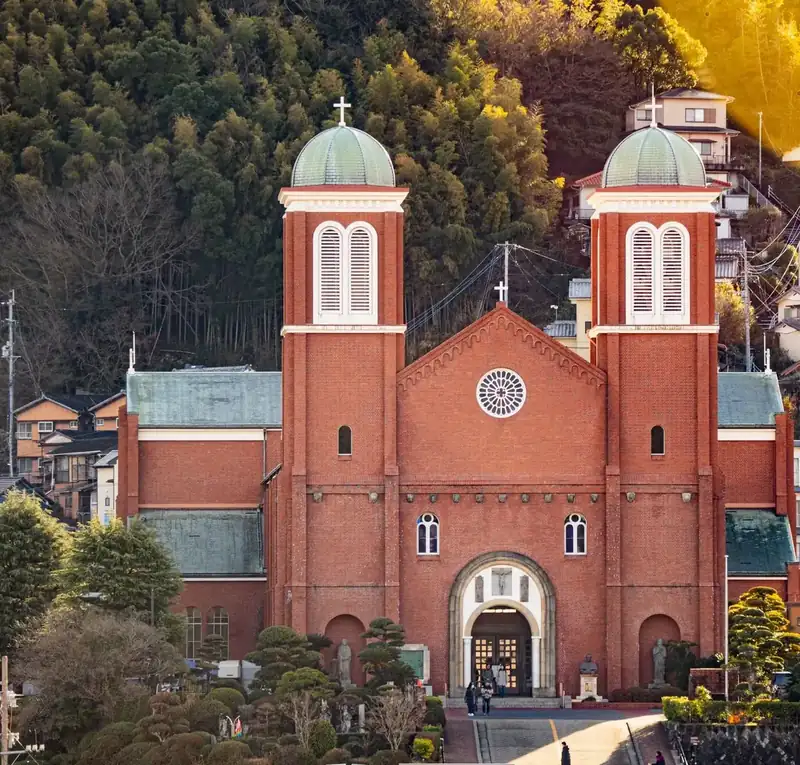
Urakami Cathedral in Nagasaki, rebuilt after the bombing
03 · The second city

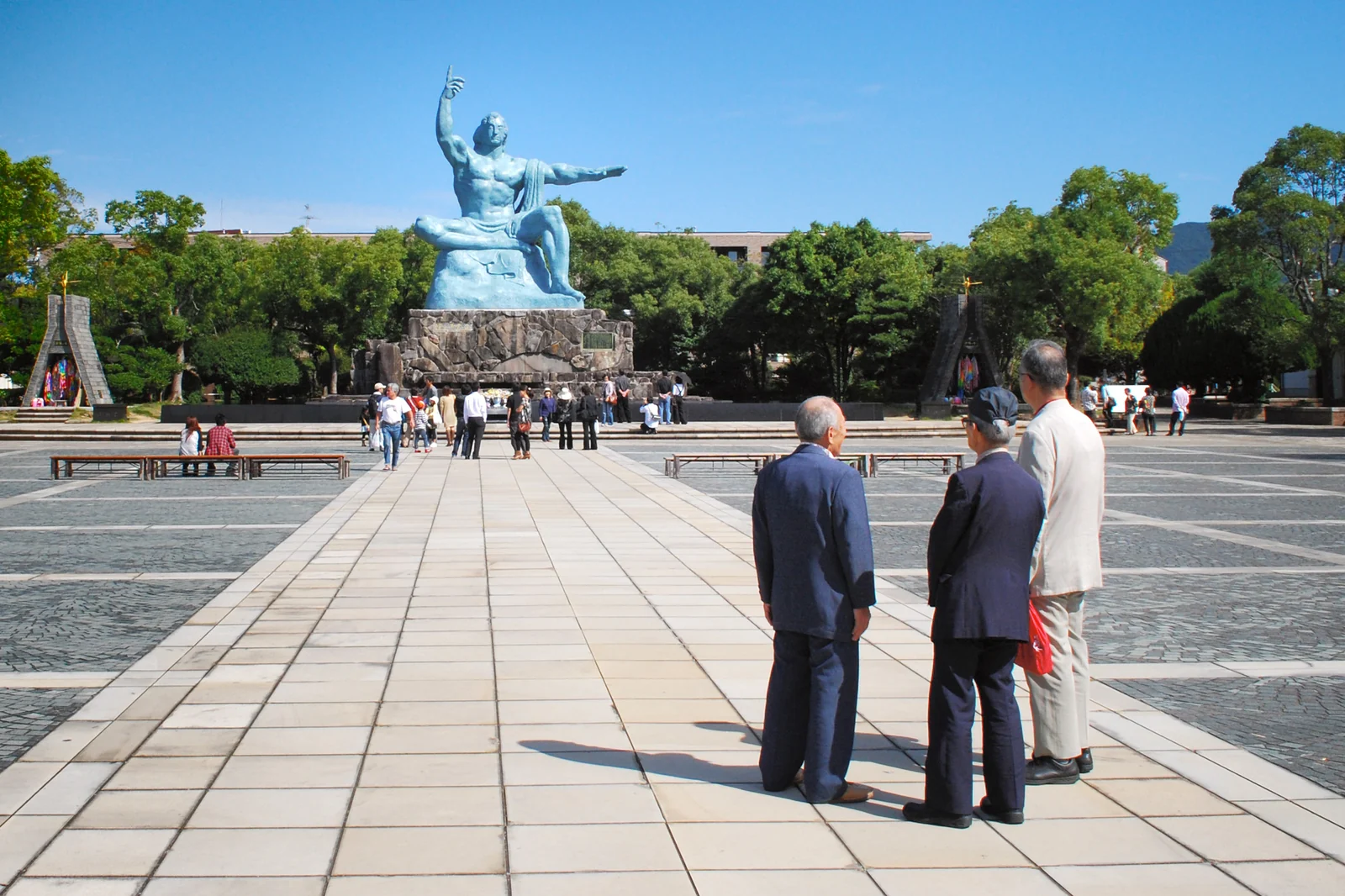
August 9, 1945

The bomb was meant for Kokura. Cloud saved that city and condemned this one — and it detonated over the district where Japan's Christians had finally been allowed to live.

Read the story
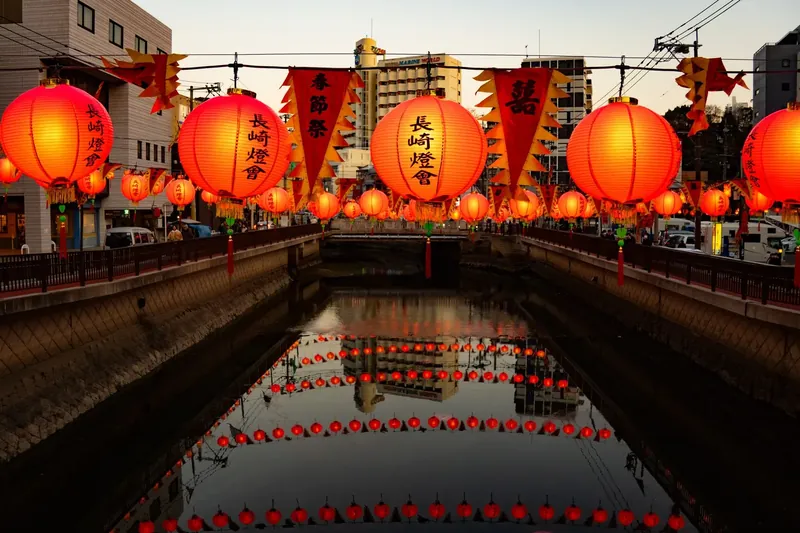
Red lanterns lit in Nagasaki
04 · The table

Champon & the mixed table

A Chinese restaurateur invented a cheap bowl for homesick students in 1899 and accidentally created the most Nagasaki thing there is: a dish that is not from anywhere, made of everything.

Read the story
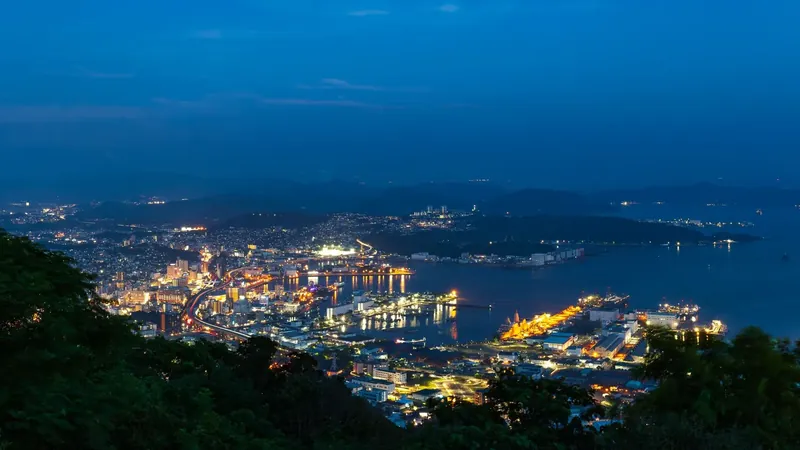
Nagasaki harbour at night
05 · The ruin

Gunkanjima

A concrete island 15 kilometres offshore once held 5,000 people on six hectares — the densest population ever recorded anywhere. In 1974 the mine closed and everyone left within months. Everything they owned is still there.

Read the story
The year in Nagasaki

When to come, and what you'll find

Cruise seasons run spring to autumn, but the port changes underneath them.

FebruaryThe Lantern Festival

Chinatown and the city fill with 15,000 lanterns for two weeks around Chinese New Year.

MarchEarly spring, clear air

Comfortable walking on the slopes before the humidity arrives.

AprilCherry blossom on the hills

Glover Garden and the temple slopes at their best.

MayGreen and mild

Ideal port-day weather; Gunkanjima boats run at their most reliable.

JuneRainy season

Hydrangeas everywhere — the flower the Dutch physician Siebold named after a Nagasaki woman.

JulyHot and steep

Those slopes are unforgiving in humidity. Use the escalators to Glover Garden.

August 9The anniversary

The city stops at 11:00. If your call lands on this day, be respectful and be there.

SeptemberTyphoon season

Gunkanjima landings cancel often; the city itself is unaffected.

OctoberKunchi festival, 7–9 Oct

Dragon dances and Dutch-influenced floats — 400 years old and genuinely wild.

NovemberThe best month

Cool, clear, and the harbour night view at its sharpest from Mt. Inasa.

Read the culture, then plan the clock: the Nagasaki day plans and the Top 10 turn all of this into a day that ends at the gangway with an hour to spare.