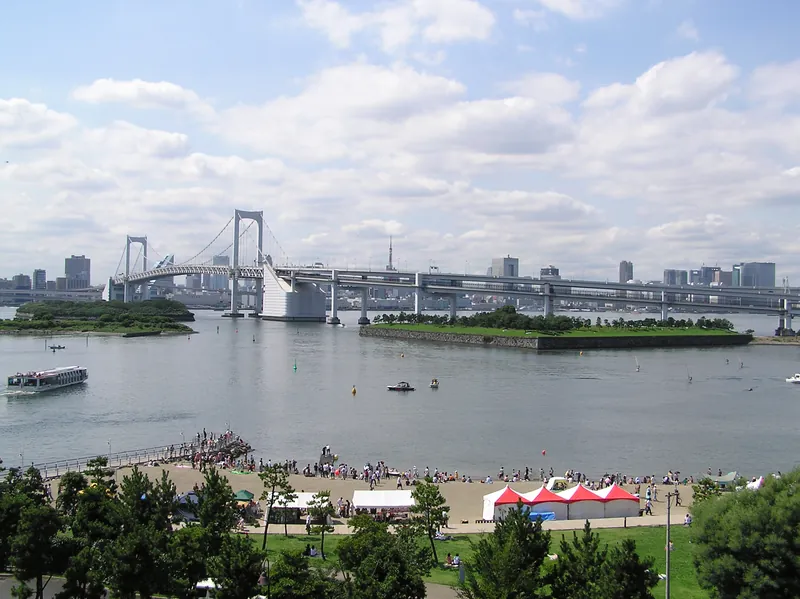
 Photo: Morio / CC BY-SA 3.0
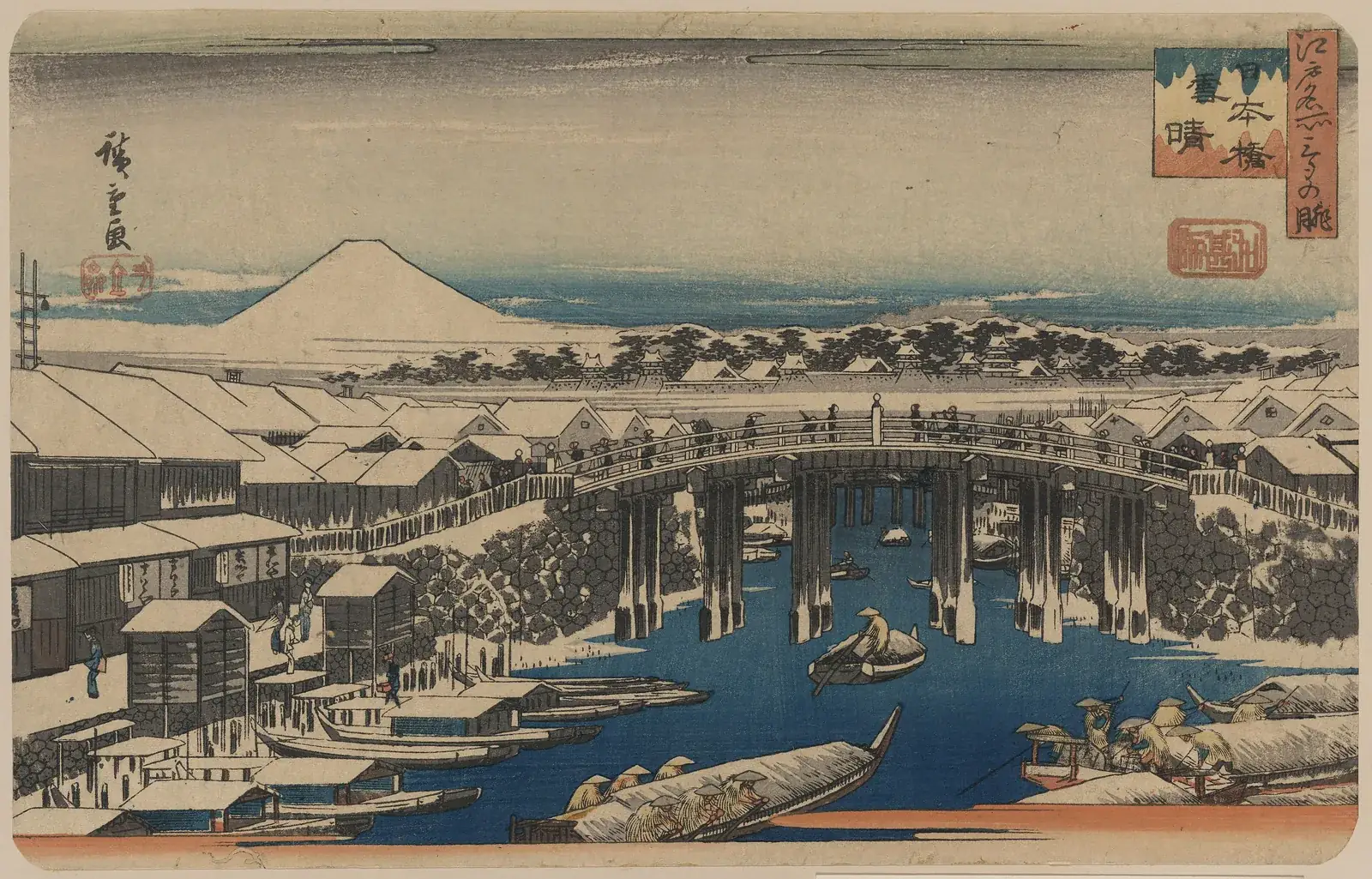 The history
How a marsh became the largest city on earth, burned down repeatedly, and kept its shape
Read the story →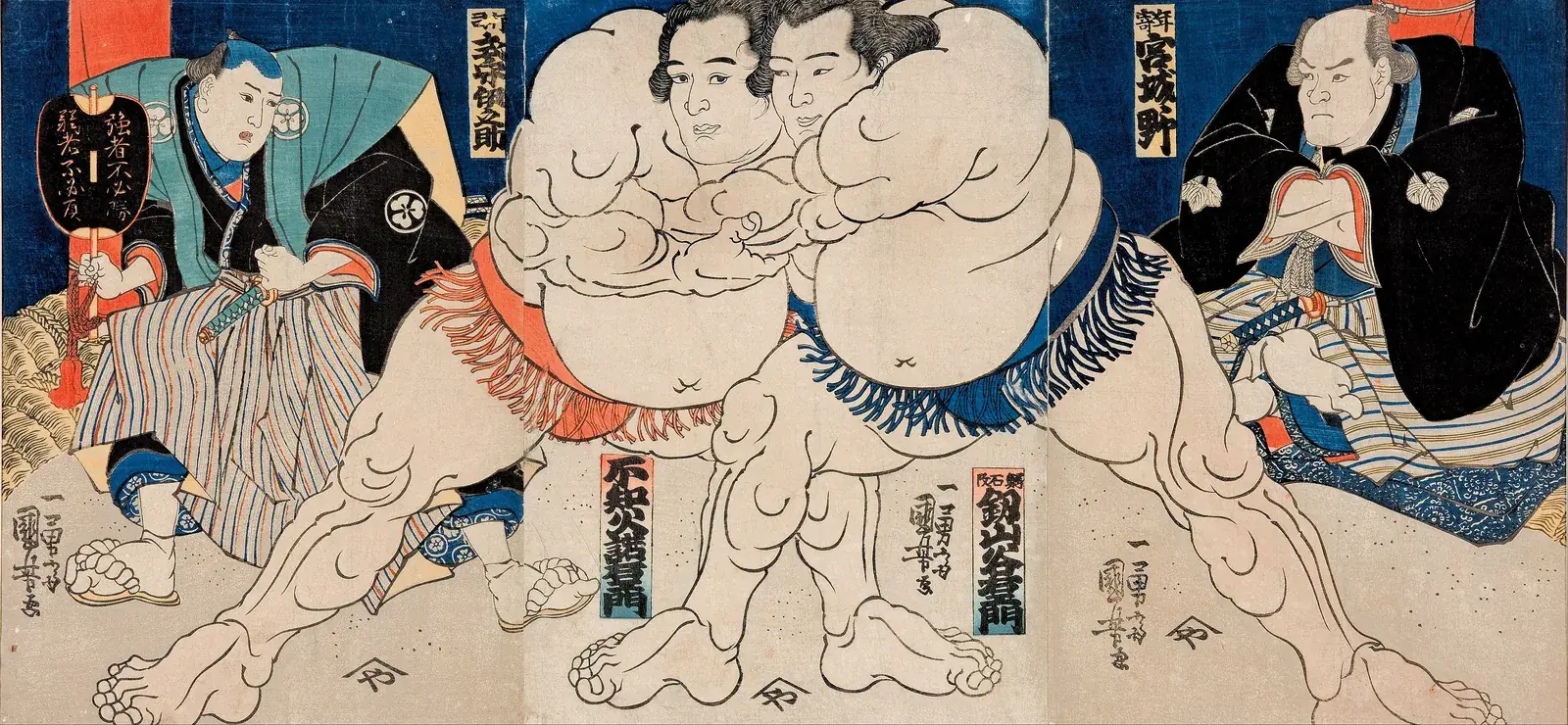 The sport
Fifteen days, three times a year, in one building — and the bouts last seconds
Read the story →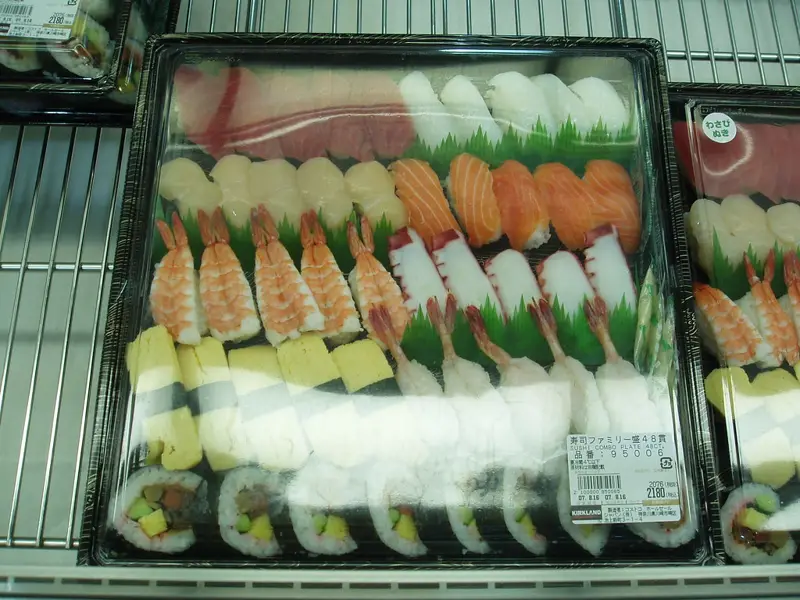 The food
Sushi was street food, the pieces were twice this size, and none of it was raw
Read the story →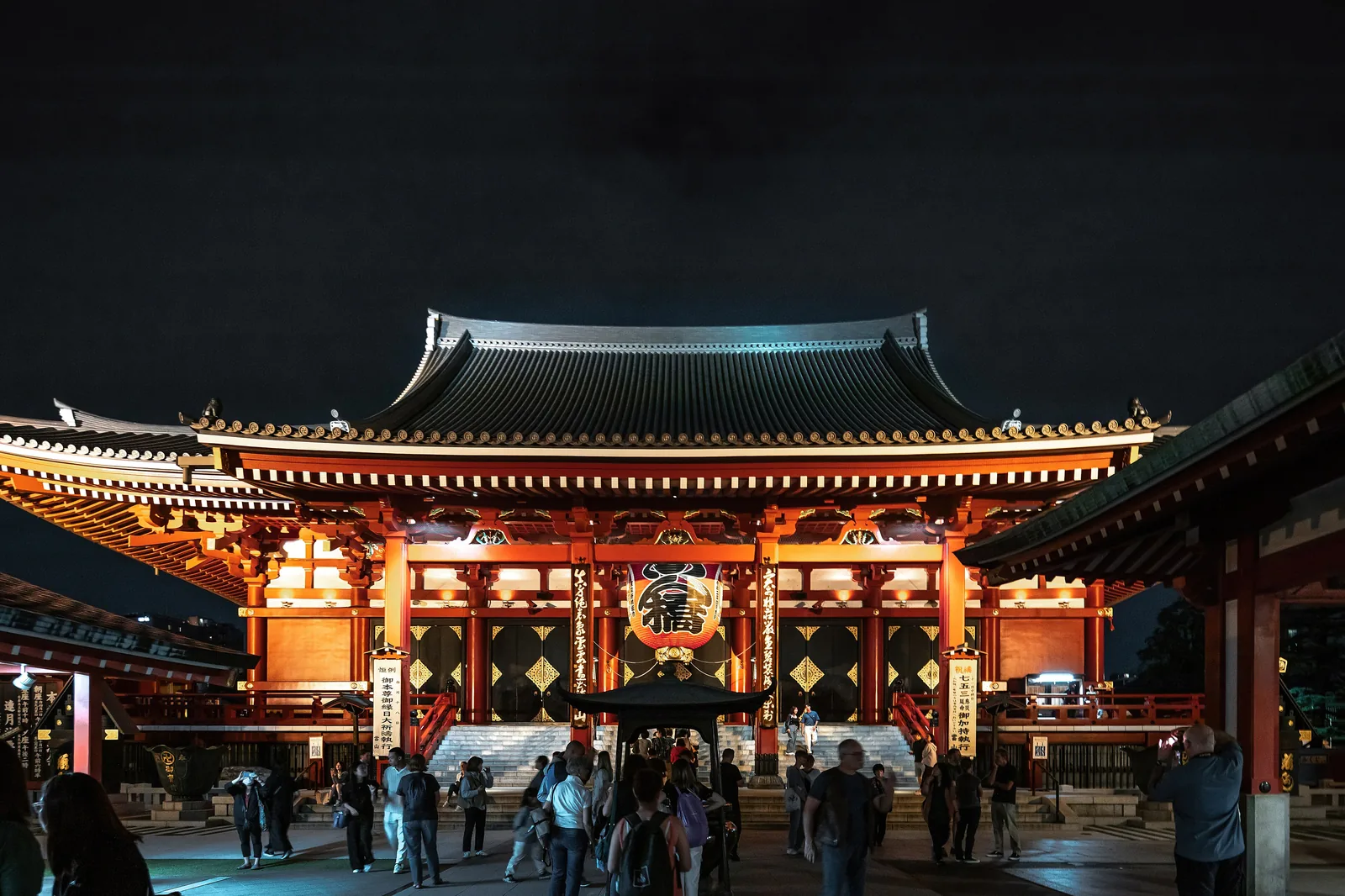 The temple
Founded in 628 for a statue nobody has ever seen
Read the story →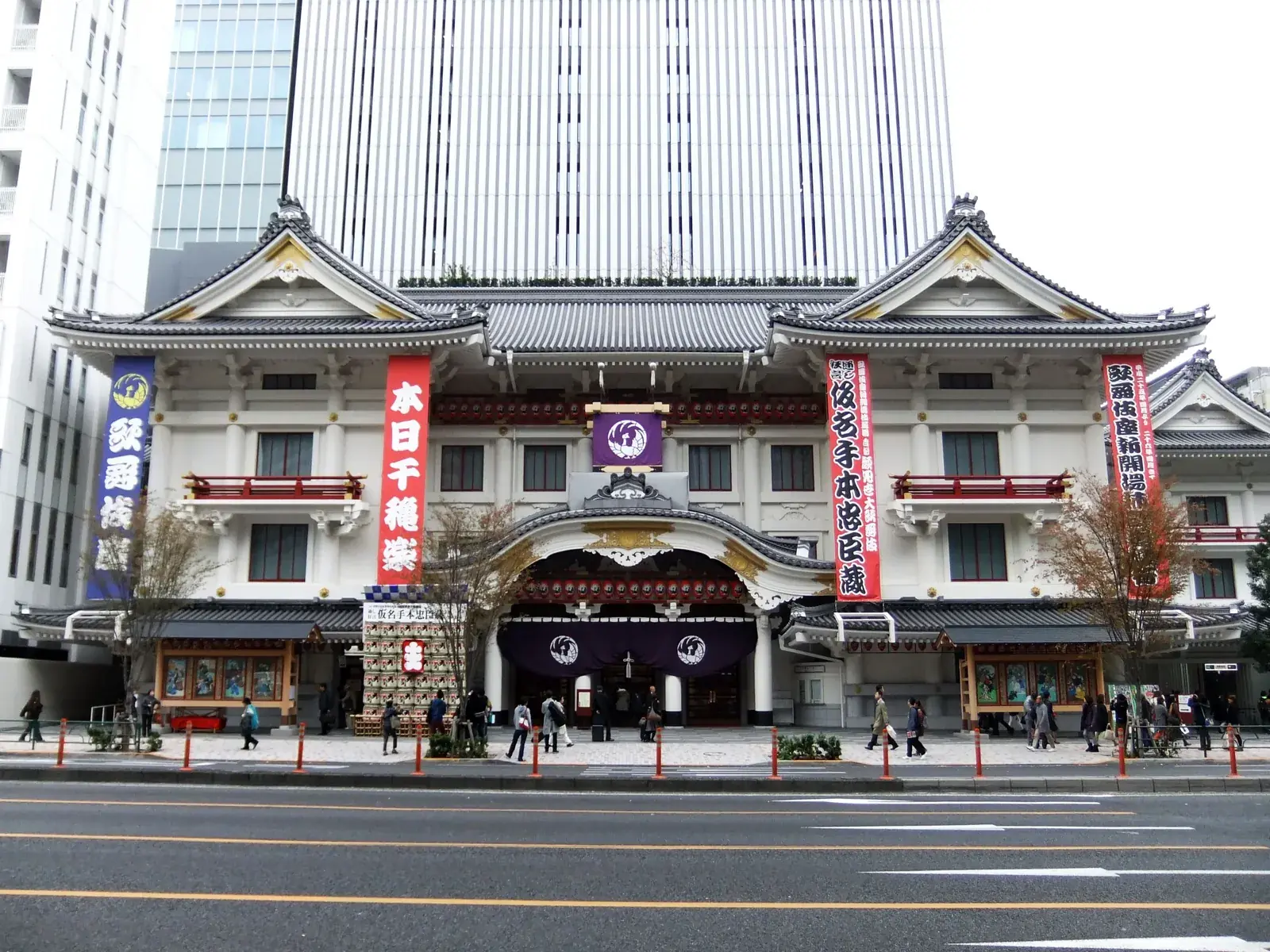 The stage
Started by a woman, banned for women, and you can see one act for the price of lunch
Read the story →Cruise seasons run spring to autumn, but the port changes underneath them.
Late March into early April, but the date moves by a week or more each year.
Ueno Park is the classic and the most crowded. Early morning is the answer.
Dry, mild, long days — and the May sumo tournament plus Sanja Matsuri in Asakusa.
Warm rain, hydrangeas, and a strong argument for museums and food halls.
Humidity is serious. Start at eight, be indoors from noon, come back out at five.
The hardest month to walk. Fireworks along the Sumida, and air conditioning everywhere.
The September sumo basho runs fifteen days at Ryogoku.
The best walking weather of the year alongside May, with fewer festivals competing.
The avenues at Meiji Jingu Gaien turn yellow in the second half of the month.
Fuji is visible from the towers on winter mornings. January sumo runs fifteen days.
No typing needed — jump straight in:
Just docked? — the gangway toolStart from your shipThe ride from every berthAsk the editorGlossary