Sushi was street food, the pieces were twice this size, and none of it was raw
Nigiri sushi is roughly two hundred years old, was invented as fast food sold from a cart, and was originally built on fish that had been cured, marinated or cooked — because Edo had no ice. Most of what makes a great sushi counter great is still those techniques.
Edomae means "in front of Edo" — the waters of Tokyo Bay. For most of the city's history that bay was the larder: gizzard shad, conger eel, prawn, clam, squid, sea bream.
Before the 1820s, sushi in Japan meant fermented or pressed fish, usually made over days. Then a man remembered as Hanaya Yohei began pressing a slice of prepared fish onto a hand-shaped block of vinegared rice and selling it immediately, from a stall, to workers who ate it standing.
The original pieces were roughly two to three times the size of a modern one. This was a snack you ate with your fingers between jobs, not an evening.
There was no refrigeration. So Edomae sushi is a catalogue of ways to make fish keep and taste better at the same time — and a proper counter still uses all of them.
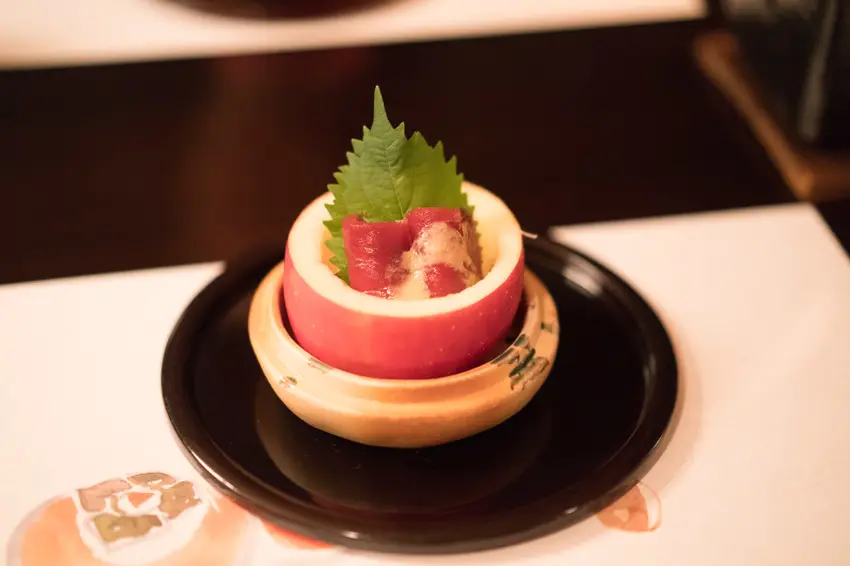
Shime — curing in salt and then vinegar, which is what happens to kohada, the gizzard shad that is the traditional benchmark of a chef's skill. Zuke — marinating tuna in soy. Nimono — simmering, which is what conger eel and clam receive. Kobujime — pressing white fish between sheets of kelp to draw water out and umami in.
None of these are compromises for lost freshness. They are the point. A chef who serves you kohada is showing you a specific, difficult, unglamorous skill, which is why it is often served early.
The 1923 earthquake destroyed the city and scattered its sushi chefs across Japan. They took nigiri with them. What had been an Edo street snack became the national — and then international — form.
The wholesale market at Tsukiji, opened in 1935 after the earthquake destroyed its predecessor at Nihonbashi, relocated to Toyosu in October 2018 — a purpose-built, climate-controlled complex roughly twice the size.
The famous tuna auction still happens at Toyosu and can be watched: from an upper observation window without a booking, or from a lower deck close to the floor for which slots are allocated in advance by ballot. It starts around 5:30 in the morning, which for a cruise passenger usually means it is not happening.
The Tsukiji Outer Market — the streets of knife shops, tamagoyaki stands, dried fish, and small sushi counters — never moved and is open to anyone. That is the one that fits a port day.
Made over days or weeks, not minutes
From a stall, to workers, eaten standing
Shime, zuke, nimono, kobujime — no ice, no choice
Nigiri goes nationwide
Replacing the Nihonbashi market the quake destroyed
The outer market stays exactly where it was
Go to the Tsukiji Outer Market, not Toyosu. It never moved, it needs no booking, and it is open at a civilised hour.
Literally "in front of Edo" — Tokyo Bay. In practice it means the set of techniques developed because Edo had no refrigeration: curing gizzard shad in salt and vinegar, marinating tuna in soy, simmering conger eel and clam, pressing white fish between kelp. Those treatments are the tradition, not a substitute for freshness.
Tsukiji Outer Market. The wholesale trade moved to Toyosu in 2018 but the outer market — knife shops, tamagoyaki stands, small sushi counters — never left and needs no booking. Toyosu's tuna auction starts around 5:30am and the close-up viewing deck is allocated by advance ballot, which rarely fits a port day.
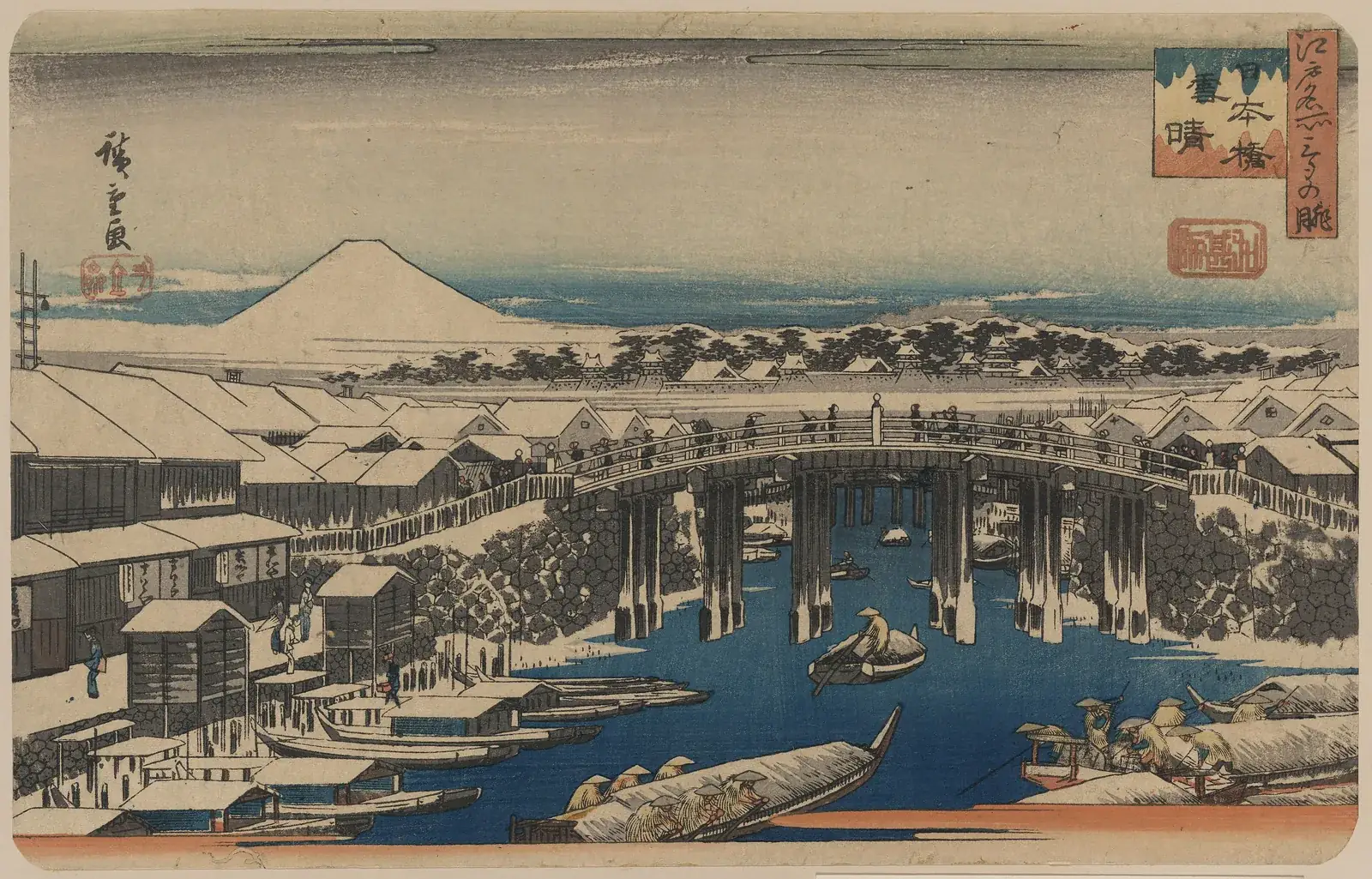
How a marsh became the largest city on earth, burned down repeatedly, and kept its shape
Read →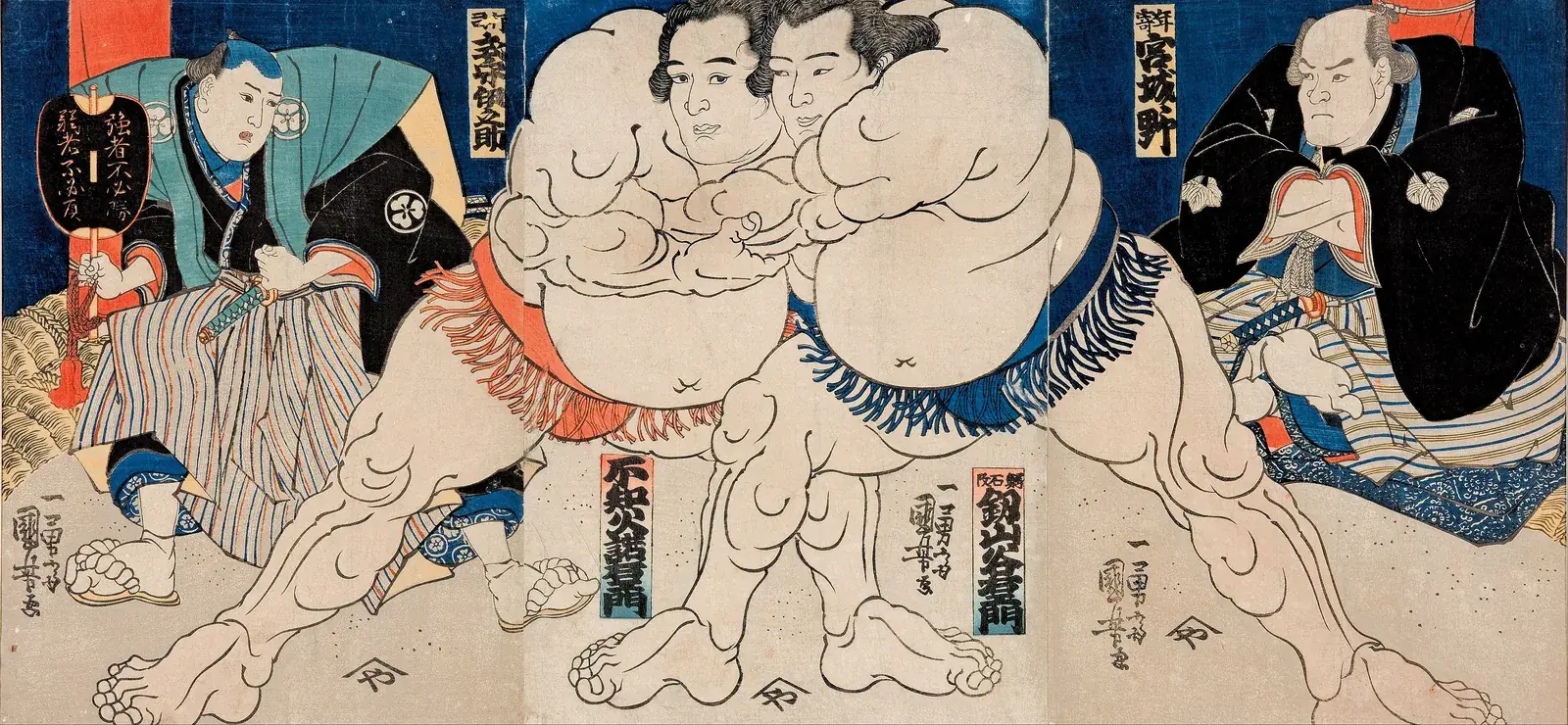
Fifteen days, three times a year, in one building — and the bouts last seconds
Read →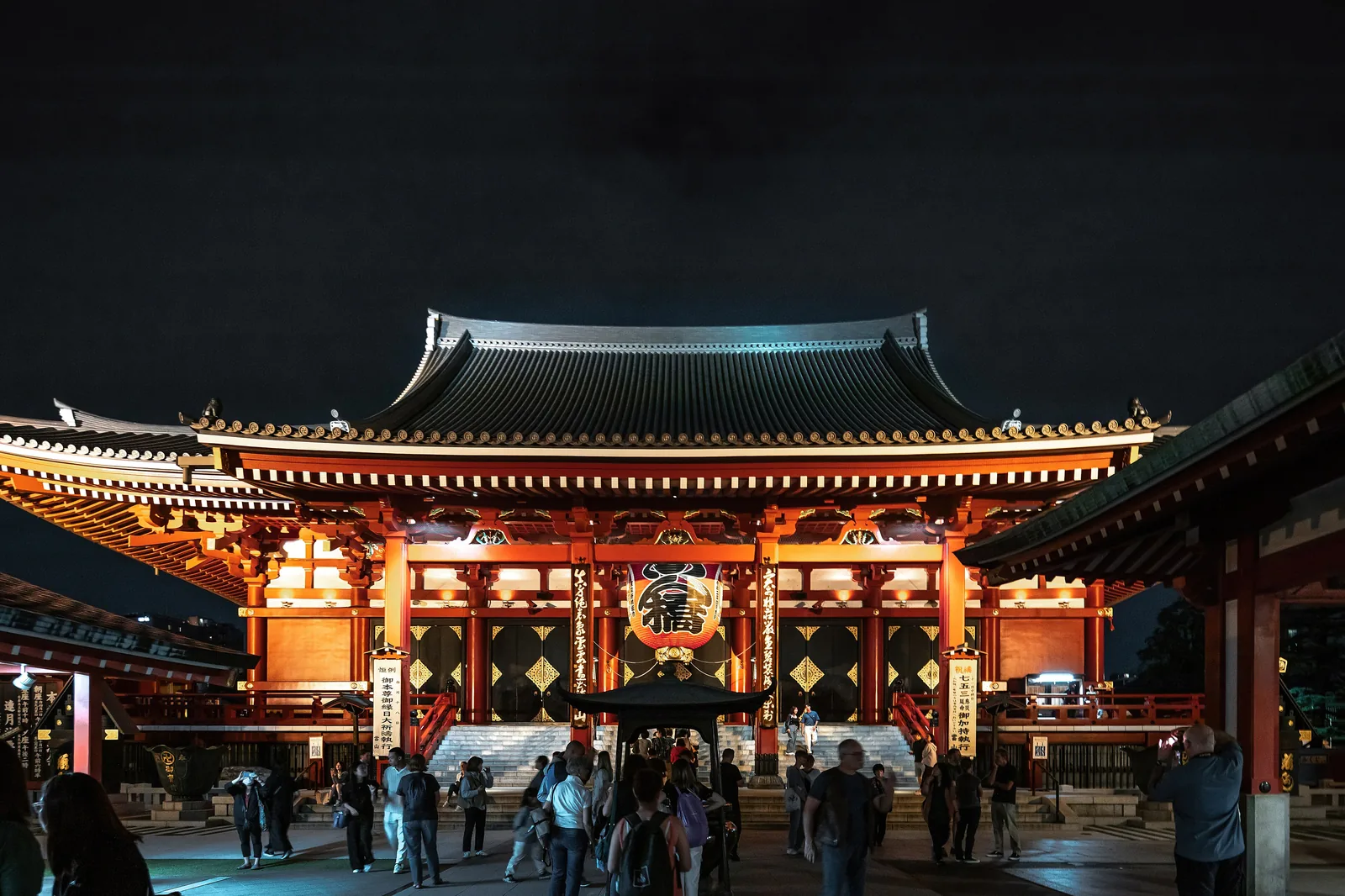
Founded in 628 for a statue nobody has ever seen
Read →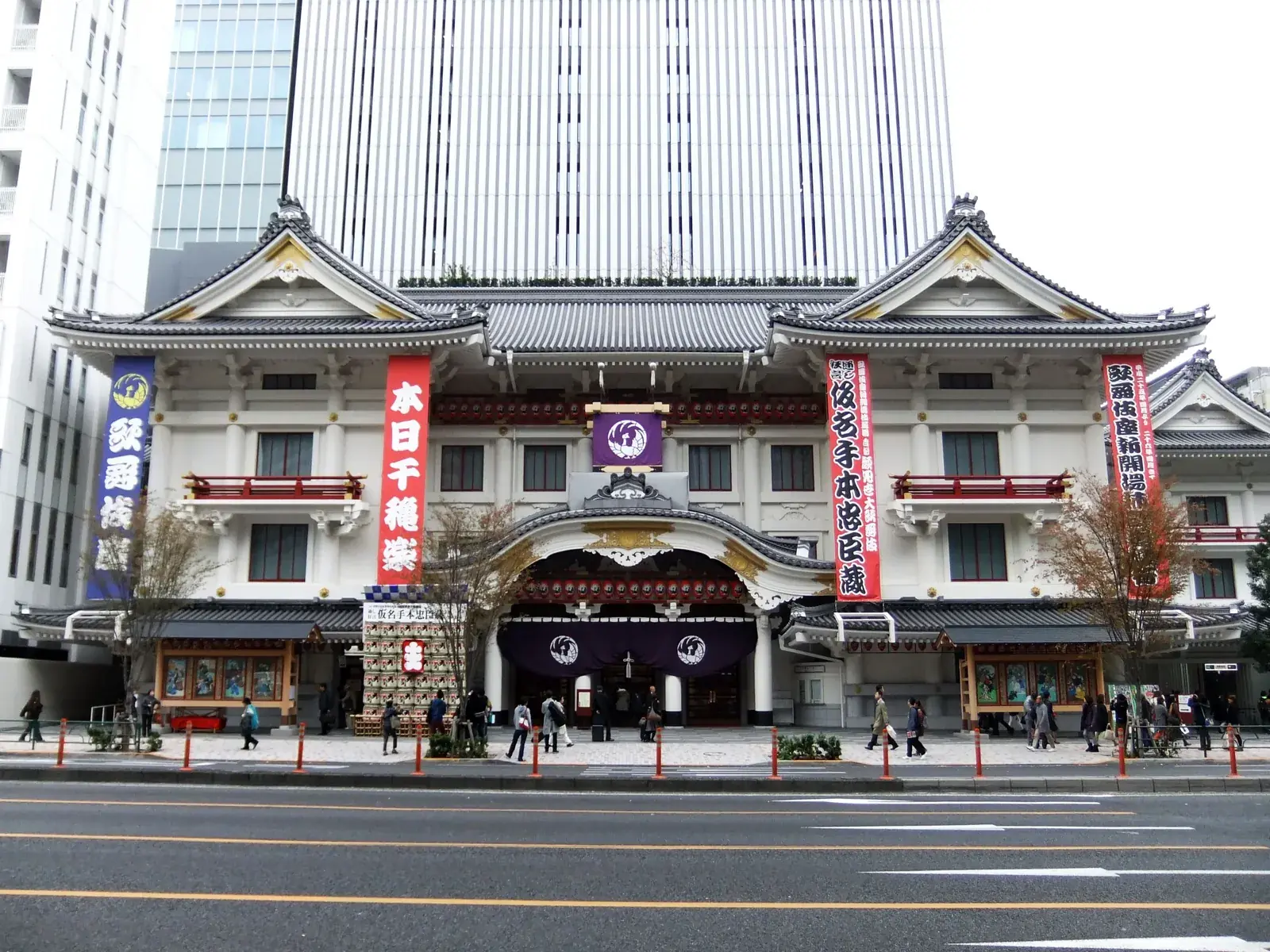
Started by a woman, banned for women, and you can see one act for the price of lunch
Read →No typing needed — jump straight in:
Just docked? — the gangway toolStart from your shipThe ride from every berthAsk the editorGlossary