Founded in 628 for a statue nobody has ever seen
Two fishermen pulled a small figure of Kannon out of the Sumida River in the year 628. It has been enshrined here ever since and has never once been shown to the public. Around that unseen object grew Tokyo's oldest temple and its loudest shopping street.
The temple's own account is specific. In 628, two brothers fishing the Sumida netted a small statue of Kannon, the bodhisattva of compassion. They returned it to the water; it came back to their net. The village headman recognised what he was looking at, converted his house into a temple, and devoted his life to it.
The statue is a hibutsu — a hidden Buddha. It has never been displayed. There is no photograph. Whether anything is in the box is, formally, not a question that gets asked.
Kaminarimon, the Thunder Gate, is the most photographed structure in Tokyo. The current one is not old: the gate burned in 1865 and stood as a gap for nearly a century. It was rebuilt in 1960, paid for by Matsushita Konosuke — the founder of what is now Panasonic — in thanks for recovery from illness after praying here.
The lantern beneath it is about four metres tall and weighs around 700 kilograms. It is replaced roughly every decade. Stand underneath and look up: there is a dragon carved into the base, and almost nobody photographing the front ever sees it.
Behind the gate, Nakamise-dori runs about 250 metres to the temple with around ninety stalls. It is one of the oldest shopping streets in Japan — local families were granted the right to trade here in the late 1600s in exchange for cleaning the temple grounds, and some of the shops are still held by descendants of those families.
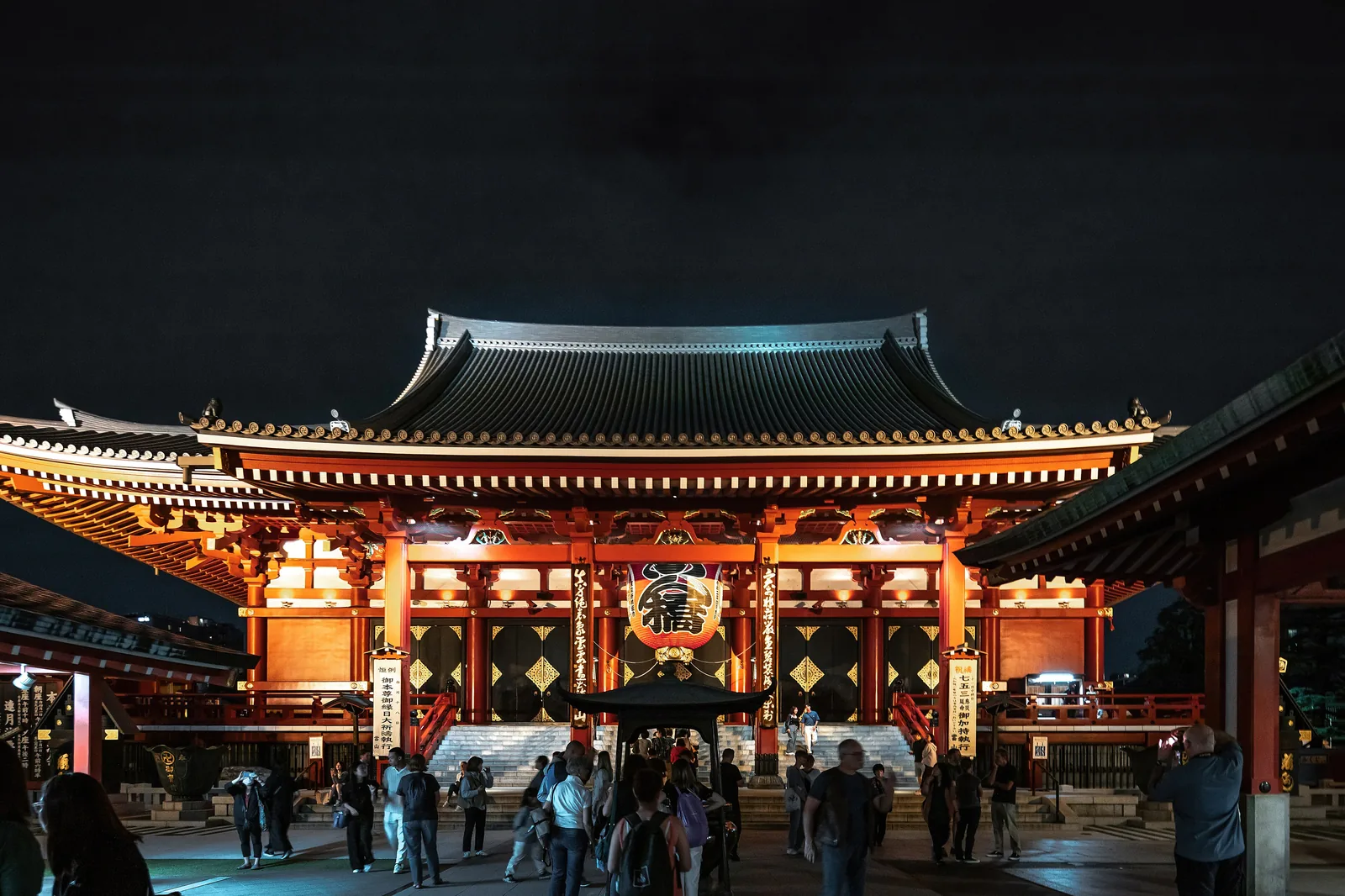
The main hall you are looking at was finished in 1958. The one it replaced was destroyed on 10 March 1945, along with most of the neighbourhood.
For most of the Edo period Asakusa was Tokyo's pleasure district — theatres, storytellers, archery galleries, and the road to Yoshiwara. In the early twentieth century the Rokku quarter held the country's first cinemas and its music halls. Then it burned in 1945 and never quite got its status back; the entertainment moved west to Shinjuku and Shibuya.
What was left behind is a district that still feels like the low city — old sweet shops, tempura counters that have been in one family for generations, and rickshaw pullers who are genuinely good guides.
Nakamise at midday is a slow-moving crush. Come before nine or after five. The temple grounds are open around the clock, the buildings are floodlit in the evening, and both hall and gate look considerably better without four thousand people in front of them.
On the third weekend of May the Sanja Matsuri takes over the whole district — around a hundred portable shrines carried by neighbourhood teams, and well over a million people across three days. It is one of Tokyo's three great festivals and it is not a spectator event so much as a crowd you join.
It has never been publicly displayed since
In exchange for cleaning the grounds
And is not rebuilt for ninety-five years
Along with most of Asakusa
Deliberately, so that it cannot burn again
Paid for by the founder of Panasonic
Go before nine or after five. Same temple, same gate, a fifth of the people — and it is floodlit at night.
The temple dates its founding to 628, when two fishermen are said to have netted a statue of Kannon from the Sumida River, making it the oldest temple in Tokyo. The buildings are not old — the main hall was rebuilt in concrete in 1958 after the March 1945 firebombing, and the Kaminarimon gate in 1960.
Before nine in the morning or after five in the evening. Nakamise-dori at midday is a slow crush, but the temple grounds are open around the clock and the buildings are floodlit at night — the same gate and hall with a fraction of the crowd.
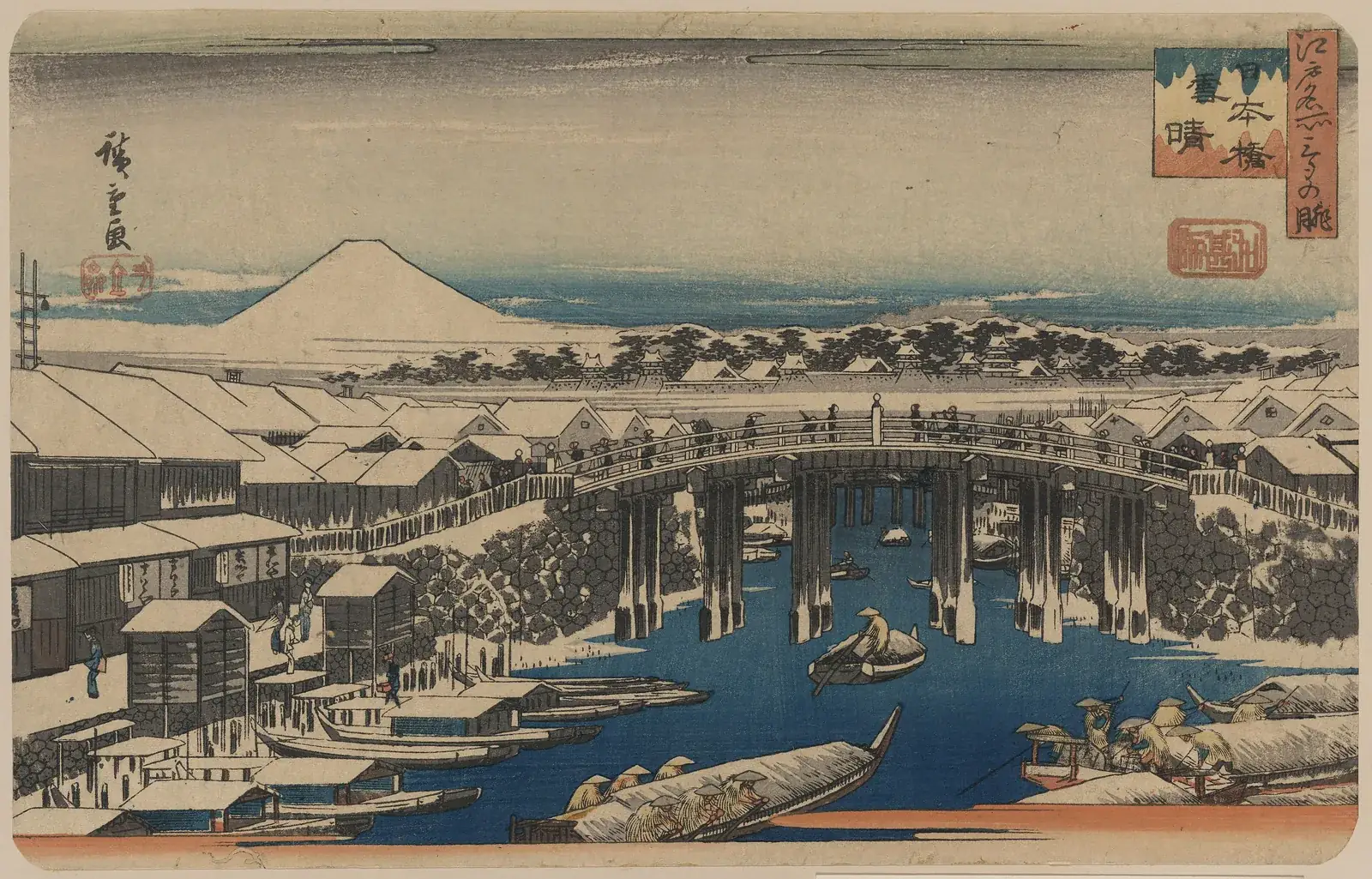
How a marsh became the largest city on earth, burned down repeatedly, and kept its shape
Read →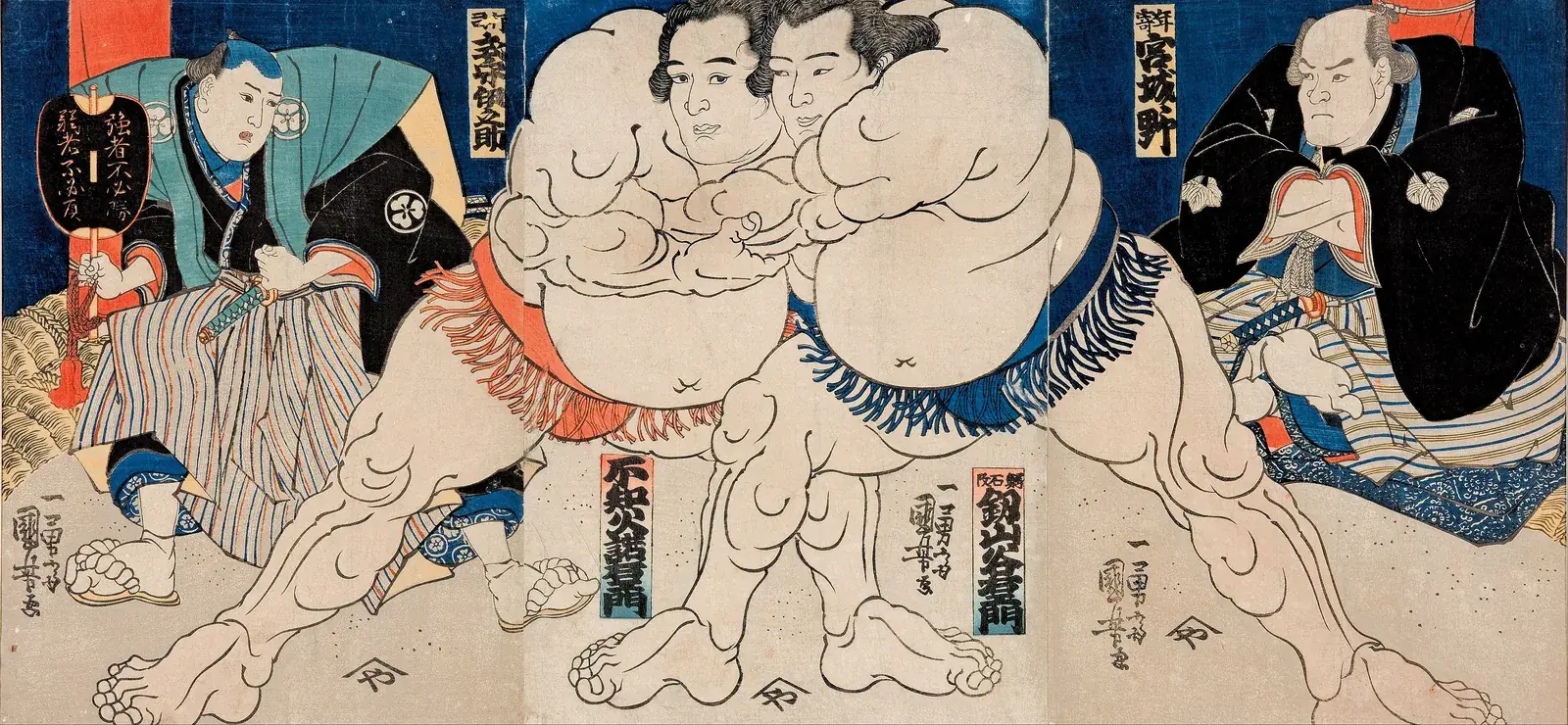
Fifteen days, three times a year, in one building — and the bouts last seconds
Read →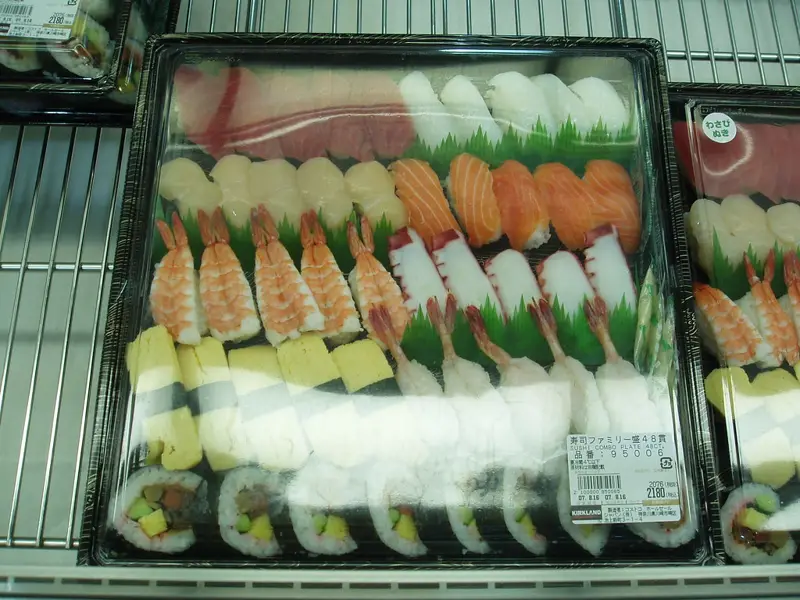
Sushi was street food, the pieces were twice this size, and none of it was raw
Read →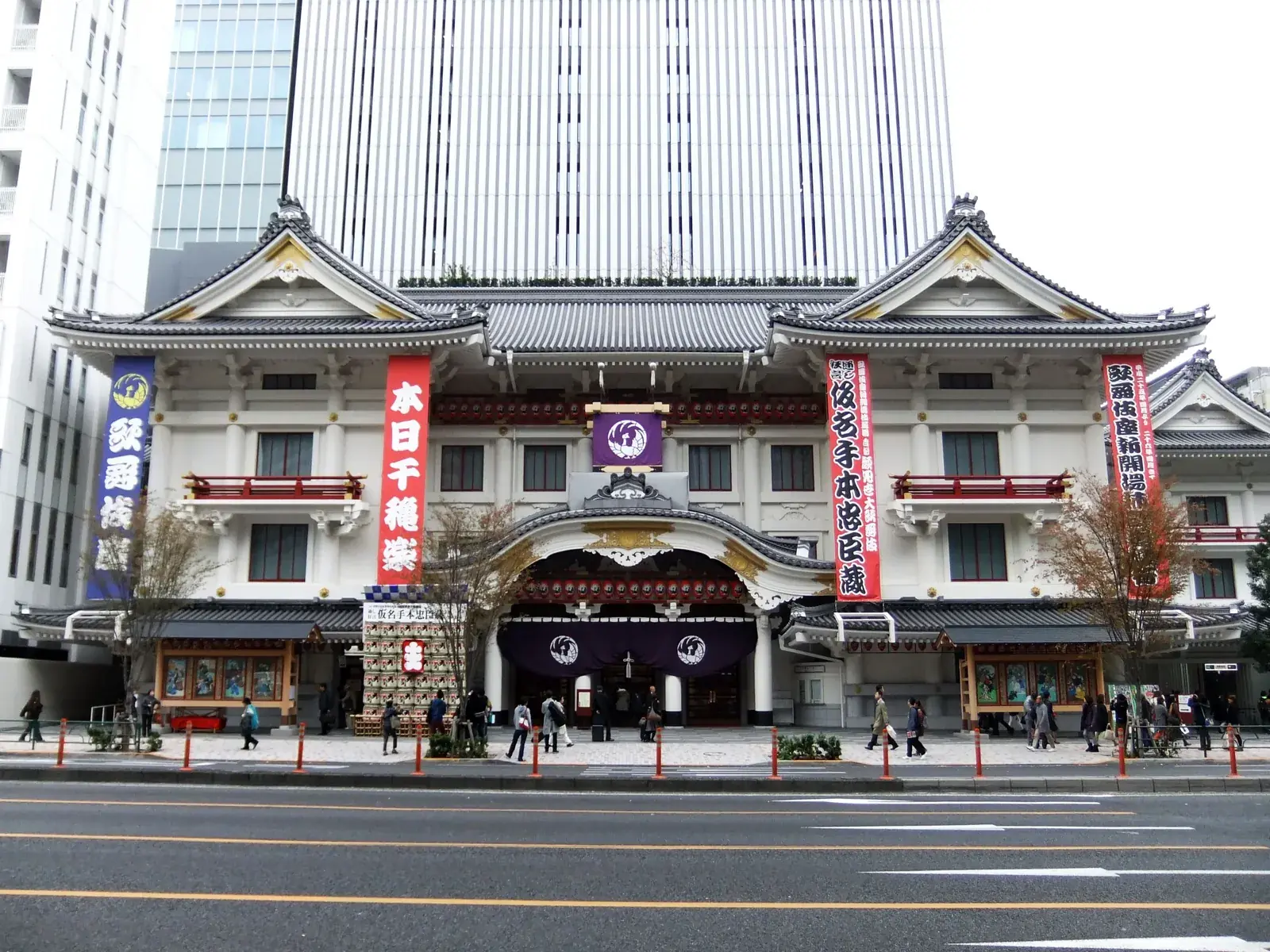
Started by a woman, banned for women, and you can see one act for the price of lunch
Read →No typing needed — jump straight in:
Just docked? — the gangway toolStart from your shipThe ride from every berthAsk the editorGlossary